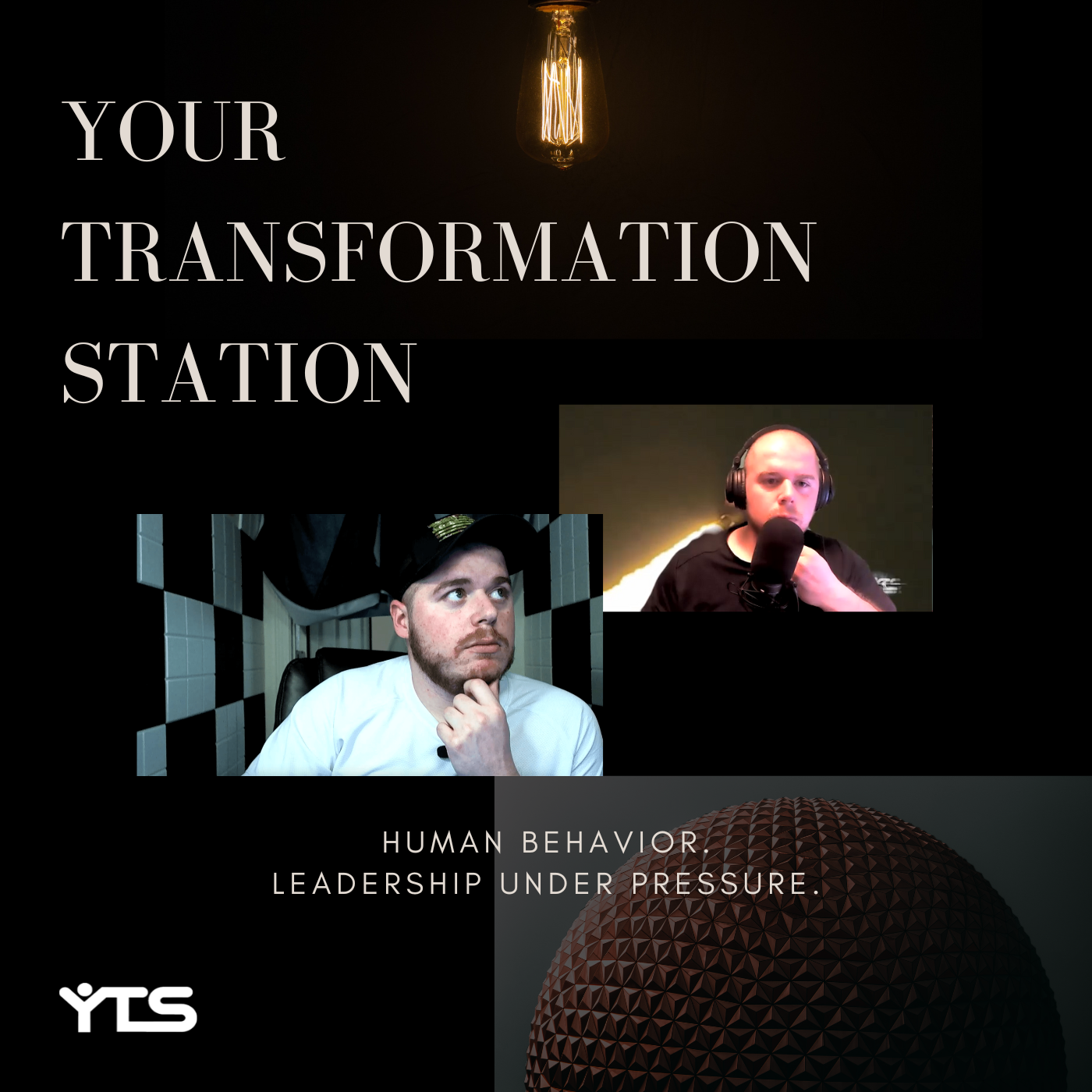


















































Promising the secret to optimal health, we've enlisted the help of an emergency physician with over 35 years of experience to debunk medical myths and uncover the truth about the corporatization of medicine. The conversation revolves around lifestyle changes, diets, vitamins, and supplements with Dr. Paul Kolodzik.
Transcripts: https://www.buzzsprout.com/2242998/13574064
EPISODE LINKS:
Paul's Linkedin: https://www.linkedin.com/in/paulkolodzik/
Paul's Instagram: https://www.instagram.com/metabolicmds/
Paul's Twitter: https://twitter.com/drkolomd
Low Carb Practitioners: https://lowcarbpractitioners.com/practitioner/kolodzik/
OUTLINE:
The episode's timestamps are shown here. You should be able to jump to that time by clicking the timestamp on certain podcast players.
(00:00) - Big Pharma and Medical Practice Issues
(08:52) - Diet's Impact on Health and Medicine
(17:25) - Vitamins, Supplements, and Dietary Recommendations
(28:45) - Understanding Insulin Resistance and Home Remedies
(40:58) - Weight Maintenance and Supplement Recommendations
PODCAST INFO:
Podcast website: https://ytspod.com
Apple Podcasts: https://ytspod.com/apple
Spotify: https://ytspod.com/spotify
RSS: https://ytspod.com/rss
YouTube: https://ytspod.com/youtube
SUPPORT & CONNECT:
- Check out the sponsors below, it's the best way to support this podcast
- Outgrow: https://www.ytspod.com/outgrow
- Quillbot Flow: https://ytspod.com/quilbot
- LearnWorlds: https://ytspod.com/learnworlds
- Facebook: https://ytspod.com/facebook
- Instagram: https://ytspod.com/instagram
- TikTok: https://ytspod.com/tiktok
- Twitter: https://ytspod.com/x
What's your opinion with the big pharma Like? What do you think about that?
Speaker 2:You know, I think there are medications that are needed and effective, but I think we've gone way over the word in terms of using medications for people's health. Let me, because this is my area, let me talk about this for a second.
Speaker 3:You're listening to a podcast that encourages you to embrace your vulnerabilities and authentic self. This is your transformation station and this is your host, greg Favazza.
Speaker 1:Welcome to your transformation station. How you doing today.
Speaker 2:I'm doing great. Yeah, thank you for having me on. I'm excited about this.
Speaker 1:So were you in the?
Speaker 2:service? No, I unfortunately was not in the service, but I've worked as an emergency physician for seven years at Wright Pat Air Force Base in Dayton and I am currently working at the Veterans Hospital in Dayton in the emergency department. So though I have no direct military experience, I've been in that environment a fair amount.
Speaker 1:Okay, yeah, I'm just I ask because I see right behind you you had the American flag folded up and that's a beautiful background of you and your family, so that's excellent.
Speaker 2:Thank you. Yes, sir, yeah, my dad was in the service and that was his flag.
Speaker 1:Okay, well, I appreciate his service, so that's excellent. You're carrying that on and just keeping that as a family heirloom, so that's great.
Speaker 2:Yeah.
Speaker 1:I really want to look into medical practices and if you can just share some understanding with what you've seen in the past because I've dealt with a couple of doctors that I've had on and they were corrupt doctors Okay, yeah. So like, have you ever came across like somebody, like I hate to I'm not trying to come after him or anything like that, but have you ever came across somebody that was that like that?
Speaker 2:Oh, absolutely Absolutely. I mean, there are, you know, all different types of people and all types of different professions. I think medicine has undergone a tremendous evolution since I finished my residency in 1984. And, you know, the biggest issue right now, I believe, is the corporatization of medicine and the fact that most stocks are working for either very large health systems and or sometimes, wall Street companies, and I'm not against capitalism, but really they don't have the time to, you know, address their patient needs the way that they need to be addressed. And that's really, quite honestly, why I have this practice now, because patients are looking for more.
Speaker 1:Yes, and I want to understand it from the consumer, but also from the medical side, as far as, like, what the doctors are going through and why, like, like, where does this happen? Like this turn in the road where it's like I get, you guys are in debt, like you go through school many years, and I understand that, but, like, like, where's the flaw in the system, why this happens?
Speaker 2:Well, historically, I mean, we can kind of go through really, what happened was, I mean, it's it's pretty involved. You know, initially what happened is in the 1980s or so, the insurance companies consolidated. You know, you used to have eight, 10 different insurance companies in a market and then all of a sudden it became two or three. So it was an oligopoly and they started, you know, leveraging the hospitals and the physicians, and then the hospitals decided that they needed to band together and in a market like in my community and Dayton, there used to be seven or eight hospital systems. Now there are two hospital systems and so all that consolidation took place and the docs you know the third company, you know the third component of this really, quite honestly, in most situations didn't have the ability to kind of band together. You know, docs are fairly independent and, and you know, generally they were in small practices or small group practices, and so they eventually, you know, unfortunately, we eventually, I believe, to a great degree, sold out and became employees and I think that is a disrupted medicine in terms of physicians having the time and, quite honestly, avoiding the burnout, to be able to be, you know, as supportive of their patients as they would like to be and if you, if you talk to docs, they feel that way, you know. You go into your doc and it's, you know, 20 minutes, you know, and they've got their face in the computer trying to get all the documentation points that they have to get for the certain billing levels, and the patient's needs are not always addressed.
Speaker 1:And that's true, I mean, especially when we are faced with marketing tactics from pharmaceutical companies telling us that we need this certain new drug out because you're feeling this way. I mean, I mean, it's not that hard to figure out exactly what type of generation is feeling a certain thing at this very point and then send that out and like, holy shit, I am going through this, I do need this. And then when you tell him, he's just deep in his computer and like, yep, okay. And then yeah, just now you're on something that you don't need, and now it's a system that you're trying to fix that's no longer being able to get fixed, because you're like, oh, I need more, and then I need more.
Speaker 2:Right Docs and you know I got a lot of friends that are, in particular, primary care docs and they don't like being relegated into that role. They aren't happy in that role and that role really is disease management. I mean, it's like you go into your doc and the discussion is does your blood pressure medicine need to be tweaked or do you need to now start on a medicine for your high blood sugar, when really the approach should be what can you do from a lifestyle standpoint, from an overall health standpoint, to address these issues before you go on, before you go on medicine for it? And and quite honestly, that's what I do and again, my background is in emergency medicine but what I'm now doing is treating patients for their metabolic health with lifestyle regimens and diet and exercise because, quite honestly, the docs in the large health systems don't have time to address those issues with their patients.
Speaker 1:So then why do they hate chiropractors?
Speaker 2:I don't hate chiropractors. I think chiropractors have their place. I think chiropractors can do a lot of good for people. You know, again, there are probably just like there are good docs and bad docs there are good chiropractors and bad chiropractors, but I think chiropractors have their place. I'll tell you one thing about chiropractors because they are not working usually for the big health systems. They have learned how to connect with patients. You know, and quite honestly, I admire that part of it. They know how to connect with patients in general.
Speaker 1:You know, and address patients' needs, and that's why a lot of patients keep coming back to so have you noticed in your time, like with patients being overall like happier, when you take time out of your schedule to understand their situation and build this rapport? I mean, do you? Sometimes I feel like it could be conflicting with, like your personal side and then your professional side. Like I know I want to do whatever I can do, but then there's other things you have to follow.
Speaker 2:Yeah, I mean you need to maintain a professionality to that relationship. But I'll be honest with you. You know I'm over 35 years into medicine and I still enjoy it because you know people come into the office. I see them recurrently, I see them about every month or so and you know you get to know them. You know I heard one older doc at one point early on in my career say he was older and he said he still enjoyed medicine because it was like a parade of his friends coming into his office every day. And you know, here's a guy who had also been at it, you know, 35 years, and he enjoyed being part of people's lives. Early in my career in the emergency department I worked in some rural settings and some of those docs were just pillars of their community. Yeah, you know, I mean they. You know they took care of, you know anything they could back before specialization and you know the community depended upon them and they were integrated into the community. And you know, unfortunately now we've kind of moved beyond that and I think that's an important aspect of medicine that is missing. So yeah, I consider, you know, I maintain professionality with my patients. I don't step over any lines but I consider a lot of them my friends because I've become part of their lives.
Speaker 1:I like that because, looking at it from a leadership standpoint, leaders still have to have that ability to influence a large mass of people, but also be able to be on a personal level to be able to relate. Now, what's your opinion with the big pharma Like? What do you think about that?
Speaker 2:You know, I think there are medications that are needed and effective, but I think we've gone way overboard in terms of using medications for people's health. Let me, because this is my area, let me let me talk about this for a second. So my, you know, background is in emergency medicine. I moved into metabolic health and helping people reverse their prediabetes and diabetes, lower their blood pressure, and the reason I did that is because of all the vascular disease I saw in the emergency department over a career, you know, hearted, excuse me. You know the gunshot wounds and the motor vehicle accidents and the overdoses are what gets the press in the emergency department. But what emergency physicians see every day, day in and day out, all day long, are the vascular issues Related to high blood, high blood sugar, to a great degree. So I'm talking about the diabetic emergencies or the peripheral vascular disease or congestive heart failure or heart attacks. And the reason for that, I believe and we're going to get into a little bit of you know theoretical stuff here but what happened back in the 70s is that we were told that the way to go from, you know, the government and the US Department of Agriculture who put out the food pyramid and the food processing industry is that you needed to go. I'm a low carb guy, we'll get to that. You needed to follow the pyramid and overnight, Americans went from eating 25 percent of their diet and carbs to eating 50 percent of their diet and carbs, and you can look at the curves from that point on. As soon as we embrace that low fat, reduced fat approach, the epidemic of obesity took off and about 10 years later, the epidemic of diabetes took off. I'm getting back to pharma, and pharma jumped on board with that. You know, because you know, basically now cholesterol became public enemy number one, statins became the most prescribed drug in the country and so we've been led down this path. You know, again, a little bit of conspiracy theory, but I believe this because I see how an alternative diet changes people's lives. You know, basically we became a diabetic and obese nation because of the food pyramid and what you know I do now is help people with a low carb approach to you know, avoid needing to be on the statins and avoid needing the pharmaceutical industry to support their lives going forward. So there's, you know, there's a lot in that, but you know, I truly believe the way we ate for generations and generations. You know, going back to the paleo period was a lower carb diet and with my patients, when we reverse their their carb intake and get them on a low carb approach and a low carb approach isn't a fad diet anymore, it's been around 50 years it's hard to consider a fad diet since Dr Atkins started it in the 70s. You know, it can change people's lives and it can help get them off those medicines and it can help, you know, reverse the dependency on the processed food industry and the pharmaceutical industry.
Speaker 1:Wow, I mean there's a lot to impact there. But with these like fad diets, like understanding, like sugar free I mean non-fat does that play a role long term into our health that you've noticed with your patients?
Speaker 2:In terms of well, okay, so the low fat does, and the reason for that is is that a high carb diet is a lower fat diet. If you try and reduce your fat, you're going to eat more carbs, you know, and historically, fat satiates. Basically, you can only eat so much of a marbled steak, but we can eat box after box of pretzels, yeah, and so if you can focus more, I think, on a higher fat diet, then, yeah, you can go ahead and reduce some of the disease. You had low carb diets or higher fat diet. It's just the way it is. A lot of studies, you know, and we've been taught that you know. Oh, you can't eat a lot of fat. You have to avoid cholesterol, right. But I will tell you what happens with my patients and there's been studies on this in recent years for patients that are overweight and trying to reduce their weight, if you go on a lower carb, higher fat diet, your cholesterol doesn't change significantly, okay, so this is a lot to wrap your mind around. I have had some patients come to me and they're slender and they just wanted to go on a low carb diet or a keto diet for general health purposes, and I have seen their cholesterol go up. But for the patient with a high BMI, as supported by studies in recent years, their cholesterol doesn't change a lot. Sometimes it'll go down a little bit. Triglycerides usually go down because triglycerides are formed from the conversion of blood sugar to fat in the liver and HDL good cholesterol because you got a little bit more fat, fat in your diet usually goes up. So I believe by not taking what has been the mainstream approach for you know, 50 years now of a reduced fat diet, you can actually reverse disease and get healthy. Yeah, now sugar. You mentioned sugar as well. Yes, I do think sugar to a great degree, as much as possible, should be avoided. I know there's a little controversy about the artificial sweet nurse, but basically processed foods these days are basically contained seed oil, seed oils and increased amount of carbs and sugar and very little protein. And so if people really can just go toward a whole food diet, the lesson the same as the less ingredients on the label, the better. A steak doesn't have a label on it. You know a potato doesn't have a label on it. So you know, the less ingredients, the better.
Speaker 1:I like that. Now, like is there a common theme with people lacking certain vitamins that they should be taking? I know there's tests out there that you should take. As far as that will help you to see what you're deficient in, Do you recommend that approach before making something drastic?
Speaker 2:Yeah, I'm just going to be honest with you. There are certain basic vitamins that should be evaluated. Vitamin D is an example. Vitamin B12 is an example. A magnesium element is an example, I think after that it is to some degree hard to sort out. There are all kinds of supplements out there on the market. A lot of the supplement promotion is marketing. I'm a little bit more of a traditionalist with that. Let's stay with the basic things that we know, that have been time-tested for years, that need to be addressed. When you get more subtly into some of the other supplements, it becomes more difficult. I'll tell you what I take for supplements. I take fish oil. I take magnesium. I think everybody should take magnesium. I see a lot of people in the emergency department that are deficient in magnesium. I think if you're on a statin you should take some CoQ10, because that can go ahead and be depleted. I think everybody should take a basic vitamin as well. Beyond that, in Vitamin D it gets a little fuzzy.
Speaker 1:Interesting. My dad had to have a pacemaker put in and everything. It was a rough process. They were asking what kind of supplements he takes With the fish oils. They said that doesn't do anything for you. Now what's with that?
Speaker 2:There is some controversy related to fish oils. You can go down a rabbit hole related to the fish oils because there's different types of fish oils. Strictly, the studies have shown that increased pescetarian diet fish diet will actually increase longevity. I would agree that the support is of fish oil itself or not. As supportive, I network with cardiologists and lipidologists experts in blood lipids, cholesterol. There's still a belief out there that, by and large, those are a good option. That's where I'm placing my bet right now.
Speaker 1:The reality is, supplements are only used for an occasional couple days missed from getting those nutrition that we are lacking. It comes down to getting the food from the ground and nothing else.
Speaker 2:Yeah, whole food diet. I mean if people would just eat whole food, but 70% of the food consumed in the US now is processed food. I'm not going to vilify the food processing industry. They're a business. They're out there to make money. But the reason we moved away from a higher-fat diet is because processed foods with carb, sugar and seed oils are generally inexpensive and have higher margins. My guidance to patients and we usually target a given gram carb intake a day and a given gram protein intake a day is to focus on those two variables, carbs and protein, and avoid processed foods. Eat whole foods. It becomes pretty simple after that. I really don't even tell my patients to worry about their fat or quantify their fat For the reason we've seen. I usually don't see their cholesterol get worse on a higher-fat diet and because fat satiates, they eat less. So I mean I really believe in this process and, having taken care of patients in my metabolic health practice now over the last seven years, I see their transformation just from eating whole food and less carbs, which is necessarily going to be higher-fat, which satiates, and then of course you got to make sure you get adequate protein.
Speaker 1:Yes, so if you could just give us some more recommendations, we can Google all this stuff, but we want your personal opinion. As far as the proper amount of proteins, the proper amount of carbs for an average male and an average female, what would you tell us?
Speaker 2:So I am going to mention that most of the patients that come to me in my metabolic health practice self-select to some degree, so they are patients that are often a little bit heavier metabolic syndrome, et cetera. So, from a carbohydrate standpoint, I kind of hang my hat on 35 to 50 grams of carbs a day, and that's net carbs. Fiber doesn't count. Fiber passes through you. So the phrase I use is fiber is free. Ok, I like that. So 35 to 50 net carbs, but a lot of Americans are eating 300 to 350 carbs per day, so that's a significant change. And then, if you want to get to a keto range, you're actually getting down into the 20 range or so. And then for protein, the general guideline has often been about a gram of protein per pound of body weight, or really it should be ideal body weight. What body weight you want to get to, oh, ok, yeah. So if you're 175 pounds and 175, good, this is people that don't have kidney disease. People that have kidney disease got to watch it a little bit. If you're strength training, which I'm a big advocate of, more than cardiovascular, the two things you'll hear from me that are different than a normal doctor are I care about you being in the weight room a lot more than I care about you being on the cardio machines and I don't care if I want you to be eating fat. So this is kind of the anti-establishment approach I've taken. But over hundreds of patients that have lost weight and got healthy and reversed their prediabetes, this has really been an appropriate approach. But to hang your hat on numbers, I mean a low carb diet is generally considered 100 to 125 grams or less. For my patients that are trying to lose weight, I get them on about 50 grams and then from a protein standpoint, generally a pound per body weight. If you don't have a gram per pound of body weight, if you don't have kidney disease. And I'll tell you all my patients when we use apps so that they can track these macronutrient mixes and almost all of them. I have people that come to me and they've been eating 300 grams of carbs a day and they get down to 50. And they manage that and they don't have a problem. It becomes a lifestyle change but everybody seems to have a bit of a problem kind of pushing the protein you know, getting adequate protein. It always seems to be the challenge, so I usually try and get people to 100 grams a day, and then we go from there.
Speaker 1:Interesting Now with people who have diabetes. Is there a point in return where you can't recover?
Speaker 2:Yeah. So first of all, type one diabetes generally juvenile diabetes, usually younger people that's from a deficiency of insulin production and that's not reversible. That's a problem with your pancreas and you know. If you're a type one, you're a type one. You can still decrease your dependency on medicines with a low carb diet. The party line, general belief in medicine, which I agree with, is that prediabetes can be reversed. So one thing in my practice is people come to me and they've been told by their doc oh, your blood sugar is a little bit high. You know that's another term for prediabetes. People don't understand that. But the docs, you know and again I'm not bashing primary care docs, but they're kind of kicking the can down the road. They got 20 minutes in that meeting to get into those whole issue of now you're prediabetic and what are we? You know it's hard. So unfortunately and the docs will admit this they kick the can down the road and say oh, you know, your blood sugar is a little bit high, we'll check it next year. At that point I believe lights and sirens should be going off, because prediabetes is completely reversible and you can avoid ever going on to diabetes. And so we hit it hard and heavy with my prediabetic patients to reverse their prediabetes. That's generally with the you know the numbers are blood sugar greater, fasting blood sugar greater than 100, or a hemoglobin A1C, which is just the amount of glucose that's attached to your hemoglobin molecules, of 5.6 or higher. Prediabetes is completely reversible and I've reversed prediabetes, and you know many, many patients. The party line is, once you become diabetic though you're diabetic for life that insulin resistance which hopefully is a topic we can talk about that insulin resistance is going to be there. That being said, I've had plenty of patients that we've been able to. The term that I use is put your diabetes in remission, and that is get off your meds, either reduce your insulin or even get off your insulin, and we can put that in remission. But generally diabetes is not considered to be completely curable, so we put it in remission for a period of years. People can avoid medications. Usually there's a significant amount of weight loss associated with that process. We've reversed their insulin resistance, but that's generally how mainstream medicine looks at prediabetes and diabetes and I agree with you so with the prediabetes?
Speaker 1:as far as recognizing the symptoms that someone might be experiencing, what would that look like for somebody?
Speaker 2:Well, first of all, if you've got diabetes in your family and or you're overweight, then you're at very, very high risk. 30% of American adults are prediabetic and half of those prediabetics don't know it, and the typical symptoms of high sugar are passing, a lot of urine, fatigue, increased thirst. When I have a new patient come to my practice. The reason for prediabetes is insulin resistance. And when I have a new patient come to my practice, the first thing we do is assess their level of insulin resistance, and we do that two ways. Number one is I do a fasting insulin level on them. I think this should be like one of the most common tests that is done in American medicine, but it's not right now, because with a fasting insulin and a simultaneous fasting blood glucose, you can drill down to an exact level of insulin resistance and that will give you your potential risk eventually, even years ahead of time, because a lot of times people have insulin resistance five years before they become prediabetic. So you can drill down to that exact level of insulin resistance. The other thing that we do is put a continuous glucose monitor on them, and this is what I wrote the book about. So I take non-diabetics and prediabetics, continuous glucose monitors or those devices that give you a 24-7 reading of your blood glucose. You see them on the back of the arms of some diabetics. But I do a trial in all my patients non-diabetics and prediabetics and we see what happens with their blood sugar during that period of time and that gives us a really good assessment early on of whether they're prediabetic, even diabetic, or they're at risk for prediabetes. I have patients that come into my office and they say you know, I want to lose 30 pounds and I say that's great, okay, let's do a full metabolic health assessment to begin with and we check that insulin level and we check what their continuous glucose monitor curves look like I'll use the acronym CGM for continuous glucose monitors and they're spiking sugars to the prediabetic range, you know, 170. Or more. I've had patients come into my office and they just want to lose weight but they're spiking sugars to 230, meaning they blew through the prediabetic phase. They're already diabetic. And then we realize that this is a more important issue than just weight loss. Weight loss is important, okay, but avoiding going back to what I see in the emergency department, going back to the vascular damage that can occur from persistently high blood glucose this is really critical, and to get those issues reversed or contained early on is really important Wow.
Speaker 1:Okay, there's a lot that we can unpack there and I want to get to your book a little bit. But just to understand, like, the severity, around what age have you noticed that this is becoming more common in?
Speaker 2:Well, it's younger and younger, you know, and again that correlates with the obesity epidemic you know we're seeing we used to never see prediabetics or even type 2 diabetics in their teenage years or early 20s, but because of being overweight, we see a lot of patients that are prediabetic or diabetic in their early 20s. The majority of my patient population is in their 30s and 40s. They're coming to me wanting to address these issues, but we're seeing prediabetes and diabetes in younger and younger patient populations.
Speaker 1:Is there like any like home remedies that I could apply? Like I don't know drinking lemon water. I don't know if that would help at all. Like, is there like things that you could recommend the home remedy?
Speaker 2:is a low carb diet. Can I go through without getting?
Speaker 1:You're all antsy. Let's get it out, let's do it so yeah, so let's talk.
Speaker 2:So this is what happens. This is the basic physiology lesson, and I share this with all my patients. When you eat a carb, a sugar or complex carb so baked potato, rice, whatever when that gets dissolved in your gut, it immediately becomes blood glucose. Okay, people don't realize this. Carbs, except for fiber, immediately becomes blood glucose, and so your blood glucose rises. Okay, that's supposed to be your source of energy. Again, I'm going to try and not get too wonky on you here, but the pancreas sees that high blood glucose releases insulin. Insulin is the key in the lock to let that blood glucose into your organs, and I'm going to use muscles as an example of organs, because it's one of our largest organ groups. So far, so good. Your muscles got to contract. You're going to go work out, you need that energy, that's all fine. But if you keep eating excessive carbs, like we have for the last 50 years, then that blood glucose rises persistently and it's high for a long period of time and the pancreas keeps trying to kick out insulin, saying, okay, organs take in this blood glucose. But the organs say, hey, I got plenty of blood glucose here, I don't need any more blood glucose. And so the organs reject the signal from insulin. That's where the term insulin resistance comes from. Oh shit, the organs are rejecting the signal from insulin, but something still has to happen with that blood sugar. The pancreas doesn't get the message. The insulin just keeps going up. That's what insulin resistance is. But the excess blood glucose goes to the liver. And, like we mentioned previously, blood glucose goes to the liver and gets converted to fat, and then it gets deposited around the middle, and so it's not eating a bunch of fat. That makes you overweight. It's eating too many carbs that gets converted to fat. That makes you overweight. And what I do with my patients is I try and reverse that process, which is let's eat fewer carbs, let's bring the blood sugar down. Now, after a while, those organs are looking around for a source of energy. It's like they prefer blood glucose, but blood glucose is lower because you're eating low carbs. What are we going to use for energy? And then they look down around the middle and they say oh, there's a bunch of fat there. You know what? We can use fatty acids for energy too, and the fatty acids get broken down. If you do that aggressively, you get ketones. That's where the term keto diet comes from. So the fat gets broken down, and that's when people's weight improves and they get healthier as well. You know fatty liver disease, another thing that goes along with obesity. Fatty liver disease is a misnomer. It doesn't come from eating too much fat. It comes from that conversion of blood glucose to fat in the liver and then some of that stays in the liver. So really the solution to these issues is going back to the traditional American diet before the 1950s and going way back generations and eating fewer carbs. So you want a home remedy. It is to lower your carb intake.
Speaker 1:Wow, okay, so can we train our body? I know we can train our body to go after the fats around our stomach here. So how would we start doing that? By addressing what we're already consuming and then, after a period of time, oh well, now I'm constantly getting enough protein, I don't need to eat that. I can go after the fat around his fucking stomach.
Speaker 2:Right, exactly. And so basically you turn to fat as a source of energy and that causes weight loss and improved health. And I see, you know, as I mentioned, patient's lipid cholesterol profile's improved, hypertension often gets better. There are another couple components to this process. Another thing that lowers insulin resistance, in addition to a low carb diet, is some intermittent fasting. Okay so, and you don't have to go nuts with intermittent fasting, you don't have to do a 36 or a 48 hour fast. I'm not opposed to those, but most my patients fast 14 or 16 hours and that drives down, that keeps that insulin level lower as well. And then the third component is, I think you know, beautiful, because it fits in with my philosophy of strength training. When you increase the size of your muscles, you're also increasing the sensitivity and the receptivity of the insulin receptors on your muscles, so they're soaking up more insulin to help you lower your blood glucose. So you know, a regimen of a low carb diet, intermittent fasting and strength training, you know, to increase that receptivity of those insulin receptors really is a comprehensive program. So if you're looking for a home remedy, that's what I would recommend to people. Lower your carb intake, intermittent fast, some 14, 16 hours, you know, till noon the next day, whatever you want to do, and then strength training over cardiovascular. I'm not. It's not that I don't believe in cardiovascular fitness. I believe in cardiovascular fitness and I asked my patients to follow the American Heart Association guidelines for cardiovascular fitness, which we can go into. But if you do that, you can spend as little as 75 minutes a week on the cardiovascular component, you know. And if you're doing a four to five hours of working out a week, then that'll leave you the rest of the time for strength training and increasing that muscle mass.
Speaker 1:Okay, so that's. That's beautiful with just I understand the cardio, like avoiding the cardio, but we're actually hitting the weights because you're building the muscle up and then your body's relying on the muscle that you've built. Essentially, it burns the fat because, rather than going and getting on the fucking treadmill for an hour, it's much better to be doing Olympic lifting than the actual cardio.
Speaker 2:Yeah, again, get your minimal cardio in. You know I mean the minimum you can do, which I do, is 75 minutes a week, getting your heart rate to 80 or 85% of your max. You know you can just get on the internet and do all the calculations for that, but then spend the rest of the time strength training because you know, as we get older we're all swimming upstream anyways. You're losing 7% of your muscle mass a decade, you know, from the time you're in your early 30s on. You know, think about that. You know losing 30, 40% of your muscle mass as you age. Working in the emergency department all those years, I see a lot of people that just fall and it's not because they lost their balance or they have joint problems, it's because they don't have enough lower body muscle mass. You know the old saying don't skip leg day is absolutely true. Yes, it is. You got 55% of your muscle mass below your waist and you know so. You know strength training, I think, is an absolutely critical component of healthy age.
Speaker 1:Wow, yes.
Speaker 2:And for women.
Speaker 1:I should know for women.
Speaker 2:There's the osteoporosis issue, and increased muscle mass lessens osteoporosis. You know it's, you know. You know your muscles get bigger when you strain them. Well, when your muscles are bigger, they strain your bones more and your bones stay healthier as well and remain more dense. So women can avoid osteoporosis by increasing their muscle mass as well. And then you mentioned I'm not a calories in calories out people there's basically two types of you know theories of weight loss and diet. There's the calories in calories out model, which is you just eat less energy than you expend, which I don't think is sustainable for a lifetime. And then there's the insulin resistance model, which we already reviewed. But but I actually believe strongly that that. You know, if you can increase your muscle mass, you also can increase your basal metabolic rate, so you are burning a little bit more energy there. Excellent, hey, can I, can I give you just a picture for people to keep in their mind, related to all of this that we're talking about the insulin resistance model? It's the bear. It's the bear up in Alaska that's getting ready for the winter and in that it's out there forging and eating berries and roots and it's it's looking for as many carbs as it can get. So it can pack on that visceral fat via the mechanism that we already talked about. And then what does the bear do? The bear goes and sleeps for five months. And what does it live? Off of Fatty acids, just what we've been talking about. It's not eating, it's not getting any more carbs, the blood sugars at a, you know, basal low level, but it's burning those fatty acids and then it comes out in the spring all slendered down. You know, we don't do that. We, you know, keep going to the grocery store during the winter and you know, and buy in whatever we need. So we're really we're just kind of replicating nature's model here in terms of weight maintenance. We're doing really what? What naturally should be done Historically, what? What did? What did we do? What did our ancestors do? Well, they would go on the hunt and they'd kill a woolly mammoth and they would eat you know, low carb, mammoths were low carb and they would eat that. And then what would happen? They would have a period of time where maybe they couldn't find another woolly mammoth. And what did they do during that time? Well, they were low carb and they were intermittent fasting. So we're really just kind of replicating what humans have done for you know, really tens of thousands of years and I, just you know this is the way we've lived until the 50s, when we were 60s, when we were told to follow the food pyramid and, and, and. If you look at those curves of when obesity took off and diabetes took off, it's not been a good approach. You know we were much healthy. You ever look at a movie from you know 1940s, 1950s, or pictures of people on the beach. Obesity was rare then. You know people were healthier then. So, following the US Department of Agriculture recommendations and the food processing industry, and then dovetailing into that the pharmaceutical industry as to how to manage your health, I don't think it's done as much favors.
Speaker 1:So do you have any sources that you could recommend to us? As far as looking at the, the label of supplements, and essentially I want to buy everything like oh, it says they'll do this and this. I want it all, Like I got a cabinet full of shit and I'm not even using it anymore because marketing, yeah, Like. Would you recommend?
Speaker 2:Well, again, I keep it very basic with the supplements that I'd recommend, and if you're going to use something more, you just have to do a lot of individual research on those. And I'm not putting you off. But I'm kind of hesitant to make those recommendations because my knowledge based on them, you know, is not real great. But I think you alluded to something else, which is you get supplement fatigue. You know, you hear so much about supplements and it's like you want to take this and you want to take that and you know, all of a sudden you're up to 15 different supplements a day and I don't think that's manageable long term. So I think just just keeping it simple with some basic items, like we talked about, is the next approach. And then if you want to educate yourself on something else you think you need, then I think that's reasonable. But I'm just being honest with you. I really don't have the knowledge base to point people in a specific direction and I don't want to mislead people. I appreciate that and I'm not trying to sell any supplements either.
Speaker 1:No, excellent. This was for my personal knowledge, but I wanted to illustrate your character, everything about you and your authenticity, because we've had some roller coaster of previous interviews and now this is great. Now, how can our listeners get in touch with you and learn more about your book?
Speaker 2:Okay. So my metabolic health practice is available to patients in Ohio, indiana, florida and Arizona. I have an office in Ohio, but we're doing a majority of telemedicine these days. I bring people in, we do a two-week trial with using the continuous glucose monitor, sorting out the insulin level and then after that put a plan together which is often a combination of low carb, intermittent fasting and strength training. In selected patients this is I don't mean to open Pandora's Box here at the end but in selected patients I think there is the consideration of some of the new FDA approved weight loss medications. But those need to be used judiciously, in very low doses or you basically become psychologically dependent on them and you can never get off them. So whenever I start patient auto-medicine it's the you know. The goal is to you know what is the path here to getting them off the medicine. So I practice in Ohio, indiana, florida and Arizona. And then the book is on Amazon and it really outlines everything. I got a chapter on everything we've talked about here today. You know the reasoning behind the low-carb diet exactly. You know how to follow a low-carb diet the intermittent fasting approach, the strength training approach, a little bit on the, the medicines as well. But the focus and the title of the last chapter of the book is CGM's changed lives, because I believe that once people get a continuous glucose monitor on them and they see this variability that is occurring with their blood sugar the way my patients put it is you can't unsee that it really leads to a permanent lifestyle change, because when you know you're eating carbs or sugar or whatever, you can see the habit that it's re-reaking with your metabolism. The book is the continuous glucose monitor revolution for non-diabetics and it's available on Amazon, paperback, audio, etc.
Speaker 1:Beautiful. I really do appreciate you coming on today's show.
Speaker 2:Okay, it's been very enjoyable, Thank you.
Speaker 3:Thanks for joining us on this adventure of growth and discovery. If you're ready to achieve a sustainable transformation, don't forget to hit that subscribe button so you never miss an episode. And hey, if you've enjoyed the show and want to support it, take a moment to leave a podcast review on Apple or your favorite podcast platform. Stay connected with us on social media for behind-the-scenes sneak peeks, inspiring quotes and the latest updates. You can find us on Facebook, instagram, tiktok and YouTube. Just search for YTS, the Podcast. Until next time, remember, change is constant and transformation is inevitable. Embrace the journey and keep rocking your way towards a better you. Stay bold, stay curious and stay true to yourself. See you next time on your transformation station.