
















































Ever wondered how a healthy support system can be a game-changer and the building block to your success? Our enlightening conversation with Victoria Pelletier will lead you on a journey of self-awareness, resilience, and radical candor.
Transcripts: https://www.buzzsprout.com/2242998/13707793
EPISODE LINKS:
Victoria's Site: https://victoria-pelletier.com/
Victoria's Linkedin: https://www.linkedin.com/in/victoriapelletier/
OUTLINE:
The episode's timestamps are shown here. You should be able to jump to that time by clicking the timestamp on certain podcast players.
(00:00) - Building a Healthy Support System
(05:59) - Change, Biases, and Overcoming
(21:24) - Leadership, Communication, and Mental Health
(28:36) - Unstoppable, No Excuses
PODCAST INFO:
Podcast website: https://ytspod.com
Apple Podcasts: https://ytspod.com/apple
Spotify: https://ytspod.com/spotify
RSS: https://ytspod.com/rss
YouTube: https://ytspod.com/youtube
SUPPORT & CONNECT:
- Check out the sponsors below, it's the best way to support this podcast
- Outgrow: https://www.ytspod.com/outgrow
- Quillbot Flow: https://ytspod.com/quilbot
- LearnWorlds: https://ytspod.com/learnworlds
- Facebook: https://ytspod.com/facebook
- Instagram: https://ytspod.com/instagram
- TikTok: https://ytspod.com/tiktok
- Twitter: https://ytspod.com/x
We don't really recognize the spouses that are behind us, that are Pushing us. Now how do we recognize a healthy support system and an unhealthy support system and how do we get out of that if that's the case that we're in?
Speaker 2:Yeah, I think. I think this is where it's it's really important to be. I talked about resilience and a big part of being resilient. We're all gonna deal with challenges, obstacles, adversity, and A big way to get through that in a healthy way is to be incredibly Self-aware, self-reflective and I do think to your point around surrounding yourself with with good people as well, who it means. Not only do they support you, but I actually think they challenge you and can give you some of the Radical candor right being completely open with you from a place of care and compassion.
Speaker 3:You're listening to a podcast that encourages you to embrace your vulnerabilities and authentic self. This is your transformation station and this is your host, greg Favasa.
Speaker 1:Victoria Peltier, welcome to your transformation station. How?
Speaker 2:you doing Excellent, thank you.
Speaker 1:Okay, beautiful. First I want to go into just some understanding of organizational leadership and organizational culture and establishing a healthy culture For your firm. To understand your personal opinion what is an example of healthy organizational culture?
Speaker 2:Well, I should say that I think culture is the outcome of Things your policies, your procedures, your leadership, action, language and behavior. I think too many companies put a fancy mission statement on the wall of what the culture is Aspirational, and so I I want to state that. So I think you know, a culture, as I said, is made up of all of these facets and therefore, you know, creates the environment in which we work in, and so Healthy culture is based upon. Again, no silver bullet, a multitude of things, from aligning the right People with the right skills and the right rules and making sure they're clear on how they can impact the business, the customers, the community, the world, a large, if you want, so that you know that it's meaningful for them. It's around. I'm exceptionally committed to having a diverse, equitable and inclusive Environment and the inclusive pieces around we feel like we can be our authentic selves, showing up. We we feel like we can belong. The lived experience we have we can bring to the table Without fear of like repop, reprisal for it, and, in fact, that it's going to be embraced. I think it's about how, a leadership that embraces much more of a Human-centered, empathetic leadership style that is open, honest and transparent to the extent that they can be. Those are just some of the highlights.
Speaker 1:That's beautiful. What's your, what's your take on diversity and inclusion?
Speaker 2:What's my take? Well, it's not only the right thing to be doing for Businesses, for, you know, the employees, the community, the world at large it it's good for business and I think that many Older school or not as progressive Leaders and people, think that there's a cost to that comes with creating a diverse workforce, when the reality is, the data shows that Diversity and inclusion brings significant benefits, such as greater innovation, faster problems, solving lower risk, that higher Engagement of employees creates longer-term retention and usually higher productivity, which delivers both top and bottom line. So it's the right thing to do, you know, for all of the constituents involved, but also incredibly great for business interesting with you saying the old leadership corporate philosophy or older corporate Leaders.
Speaker 1:What do you think the cost is? That it's too much to actually go into that.
Speaker 2:Well, I think they think about the cost of having persons accountable for a chief diversity officer or a team, about the fact that they're needing to invest in different ways to go about recruiting and talent attract, and the fact that they're doing unconscious bias training. So they see the hard dollar costs associated with programmatic things within the organization versus seeing it as just a new way of working and the benefits that come with it. So they see that and so they'll cut. Like when looking to cut costs, well, we're going to cut some of the training and development programs. We're not going to do some of the additional college fairs that let's say historically black colleges. We're not going to invest in the employee resource groups to sponsor the Pride event for their LGBTQ employees. They'll cut those things. But those are actually just, in my opinion, just ways of working that create that sense of belonging and drive the kind of culture we were talking about.
Speaker 1:That's interesting, so I want to save. I just had one question. I'm going to save that for later. As far as with mental health, but establishing these drivers of change, I mean, does that come from the corporate level? Does it come from leaders that are taking the next step up, that want they're going to hold a management slash leadership position? Where do these drivers of change come from and how do they occur?
Speaker 2:I actually think they come from all levels of the organization. Our voice is our power. So I think entry level employees think that they have no power because these leaders in the business get to make decisions. And, yes, there's a hierarchy for a reason, and so business strategy will be determined at a certain level. But our ability to voice when we see inappropriate behavior or language or discrimination, we all that that change can come from everyone within the organization and that's not just about now, like Dee and I and the people side of things. I going back to the benefits of diversity, this, like the, the different experiences we all have, allow us to look at new ways of doing work, and the status quo and the way we've always done things doesn't create new behavior, new opportunities, new market share, and so I think we everyone needs to recognize it comes from from all levels. I do, however, believe that that there is a lot of privilege that comes with the rise in the hierarchy, so with that I actually I feel more responsibility as a senior leader to drive more of the change, because I do have the attention of others within our organization, I do have a platform. So I think that responsibility comes with more expectations to do more for change.
Speaker 1:OK, so you brought up the voices. We all have this ability to make that occur. Now, does this apply for any kind of business, or is this any kind of organization government, nonprofit, it doesn't matter. If we want a new form of senior leadership, how would we go about that change?
Speaker 2:I think you're right in the question you're asking, that it's. It's actually not just in business, I do think. I think it's on every front. It's in our communities, yes, it's in our, you know, in politics, and no, we don't need to have a political conversation, but I'm the opinion you don't get to bitch if you haven't at least cast your vote. So we have that opportunity and we should really be, you know, thinking about it, that in you know, lots of voices of one person, one vote, can create this movement.
Speaker 1:That's. That's beautiful. That's really interesting. What about with recognizing our biases? I know there is a lot about understanding organizational culture and geographic expansion, so we're networking and trying to work with different countries. How would we recognize our biases and how that could cause implications on the corporate identity as a whole?
Speaker 2:So we all have biases, and so I think it's important to educate ourselves on the unconscious biases that we have, the cultural biases that we have, and so do our best to educate on, even within our own. You know culture and geographic, you know business locations we're working in, and then to do some research around what it's like in other cultures, I had to learn early on. I became an executive very early and started leading global teams around the world, and India was one of the first places that I started to travel overseas to, outside of Europe and so needing to learn like their hierarchy manner really matters, the caste and class system really matters, gender and thinking 20 something years ago was even more starkly different. So me as a female leader, coming in and just understanding how that dynamic work, understanding that they don't want to say no to their senior leaders, I want someone to challenge me. So in that case there was a little bit of first-hand experience. I hadn't probably done enough research to understand all of that. So I you know I got a slap in the face with some things when I first landed there. I think it's really important to educate ourselves and to seek feedback and allow people Like I going back to the sort of the voice piece when you so. I was recently in a like an employment collaboration site and someone said, hey guys, I'm like, or hey, fellas, I'm like, oh, what about me, right? Or instead of just being aware of, like, and those are just things that many people don't their might, the intention might not be there, you know, negative, but just to think about that and have people who are comfortable in speaking up and challenging as well.
Speaker 1:That's beautiful, and it brought me to the right, to the next question. Perfectly for junior females that are going to be occupying a position such as similar to yours or around that hierarchy, what would you tell them?
Speaker 2:I'll tell you I attribute my career success to a number of things. I mean, first and foremost, for anyone you need to perform, they'll understand the skills you need, understand how success is measured within your organization so you can be seen as successful as in a highly productive employee. So I mean that and don't trust anyone to help you with the skills for, like, you own your own career. So take that in your hands and recognize, like, are there new skills? What do you think about technology and AI that's here? Like, am I going to need to adjust? Or the new skills I'm going to need to learn or lean into. And so that would be when establish a really strong personal brand for yourself. That is more than the subject matter, expertise or the job that you sit in. Who are you as a person, what are your values, what are your personal interests and passions? And then, what do you want to be known for? And don't again rely upon only the people you work with, thinking that they're going to be those advocates for you. So build that brand. Find yourself mentors, coaches, sponsors, who are going to help, hopefully, pull you up as they rise within the organization. And then there's a notion around boundaries, but I mean not as as narrow, when you think about ban keeping you within the box. I do that so, as you know, women, who often take on more responsibility in the home front if they've chosen to be partnered, if they, you know, have children, they'll bear more of those to get it all in. Like I, you know, I made some decisions. I worked the same day. I gave birth to my youngest when she was sleeping. She was sleeping but it was a wide place Back online that night and so, but I but to do everything I've wanted to do. I have learned to say no, I've learned to outsource, I've learned to delegate. But then I've also never let anyone tell me how far or wide I could go. So specifically to your question around, like for women, like you make that decision on the boundary side, you set your sights as far and wide as you want to go and don't let anyone tell you otherwise. And so for me that's been. I'm fortunate. I owe a lot of my success to the two partners that I've had, you know, as an adult in my first and now second marriage, who actually supported me pretty substantially and carried a heavier amount of responsibility on the home front because I traveled extensively. And so I tell women, like don't shelf your career because you want to have children, there are ways to have it all. And I actually don't really love that phrase, but most no think of it that way. But again, you, you have supportive partners or people around you, you delegate, you say no, you outsource things and then, the last, I would say, is about being incredibly resilient, because we're going to have incredible obstacles and learning to be really resilient.
Speaker 1:You said a lot of things I have to hit on. So you mentioned, first with the technological aspect, that is a huge thing that I was addressing in my studies right as I was one of my final projects of getting my bachelor's, and that's having a standard and understanding and what it means to be digitally savvy and a marketable Leader, to know like, what are some aspects like software, to have an understanding, what is phrase this it's the things that we need to know At one point in time 20 years ago is no longer the case. What we need to know now, what the hell do we need to know now and what is it going to look like 20 years from now?
Speaker 2:Yeah, no, I, and it's changed so dramatically. And I think the you look at the shelf life of skills, particularly technology skills, they're like they're reducing by the day, and so this is where I say you know you need to take your career in your own hands. Although you might have gone, you know, to school for I don't see plus, but I don't know whatever I didn't. Although I technology businesses, I'm not. I was never hands-on keyboard like developers, so like I. So you might have learned a particular language in a certain environment, and then that's changed. So Understand, and so a lot of that needs to be education around. Where's the world? You know moving to within your bit, within a company you work for, you can clearly learn what the business strategy is, what are the new products or services that were committed to bring to market and and work backwards from there. Okay, well, so if we're gonna, you know, get into much more of it. You know AI, machine learning. Here's the types of things I'm gonna need to learn. How can I go and get certified in certain things? Reckon it. I worked for IBM for a number of years and Accenture more recently, and so we do. You know consulting, engagements and technology. You know Programs and so SAP it has been a really big one. So if you were in like I don't know Oracle doing people soft stuff, well, like that's aged. Everyone's moving to the clouds. Maybe I need to learn you know some different software in the better in the cloud and or things like how it's so much about change as we look at digital transformation, cloud modernization programs, the change management function, the project management function, those things to supplement some of the technical skills that you will have and continue to learn.
Speaker 1:Interesting, okay. So now my next one is with understanding, trust and who to trust. As you're climbing this ladder towards the position you want to go to, now, I I could just feel it inside when you're telling me Trust no one and to only just trust in yourself.
Speaker 2:Well, yes and no. So you know, business there's there's no loyalty in business. There's, there's loyalty to people and, but that said, when it comes to your own career, like you're the CEO of brand you, like I'm the CEO of Victoria and so I I'm not gonna put complete trust and faith in someone else to Help me get to where I need to get to. I need to map that out. I need to develop the skills that I need, right, like that. I need to seek out coaches and mentors. I mean by not trusting that someone else is gonna develop that for you, or they might leave the company, or right, so just things change. I do. I Don't want it all your listeners here to think about not not trusting, because there are people who myself in particular like the legacy that I want to leave, like it there will be no teamstone for me, I'll donate my body to some of the people was. It's not gonna talk about the revenue, sales and revenue and profitability that I have driven for the companies that I've worked for. It's not. I want it to be about that. I meet this world, workplaces, community, the world at large, a better place, and when it comes to a workplace, me as a leader. I'm exceptionally committed to my team, developing them and helping them achieve their goals, and so you could trust me as a leader in the business, and so I think you know your listeners can find those people. But that means building real relationships with people from a place of Generosity and not greed, like a genuine interest in people and learning more about them. And then we want to do more, and so I actually tend to approach things and I, when I meet people, I Trust everyone until it's proven otherwise, and so I would rather be much more open that way, and so I'm not like trust but verify. With any new piece of information, well, news I read, etc.
Speaker 1:I like that. So with relationships For someone that's successful, we we can't just do it on our own. We have a support system and we don't really recognize the spouses that are behind us, that are Pushing us. Now how do we recognize a Healthy support system and an unhealthy support system and how do we get out of that if that's the case that we're in?
Speaker 2:Yeah, I think. I think this is where it's it's really important to be. I talked about resilience and a big part of being resilient. We're all gonna deal with challenges, obstacles, adversity, and A big way to get through that in a healthy way is to be incredibly Self-aware, self-reflective and I do think to your point around surrounding yourself with with good people as well, who it means. Not only do they support you, but I actually think they challenge you and can give you some of the Radical candor right being completely open with you from a place of care and compassion and and in some cases, the choice to be around unhealthy people around us can be Do are we not confident enough? Do we not love ourselves enough to recognize we deserve better and how can we help? And although I think we can do a lot of help on our For ourselves, to ourselves, there's no fear in asking for help from others, whether that's whether that's a professional of a Psychologist, psychiatrist great or just finding like personal board of directors around you, that group of people who can be that like trusted group of advisors to you.
Speaker 1:I like that now with the. The hierarchy is the further we go up. Is it like a quid pro quo relationship, like that's what I felt, like it wasn't the military when I was down at the bottom. It was like you work hard for everything and it ripples out. But as you get higher up the chain of command, that's what it seems to be like. I don't know if that's just the government or is that all organizations? You can comment if you want.
Speaker 2:Well, I don't know, like that it's with Pro-Qual. I do think that there's people who operate that way, right, where, like you think of it as a bank and it's like you've done something for me in here and you can take the credit you know out later for it. I choose not to operate that way For me. I use the phrase as a generosity, not greed. I'm not a religious or really spiritual person, however, I'll just use the word karma. I believe a little bit in that and so I put it out there and I think the world has a way of kind of working out that way. So for me it's not a quid pro quo. However, at some point, when I see people consistently taking, taking, taking, at some point I'm like hmm, like there was one woman once that you know used to report to me and we became friends and the only time you know she'd message me is when she needed something, and at one point I was like Michelle, like you know, the only time you like text me is and she's and actually me saying that she was oh my God, no, she's, you're right, I'm a horrible friend. What am I doing? So, no, it's not quid pro quo. I want people to operate much more from that place of generosity and not greed, and yet, sadly, there's not. I think there's still not enough people who do that.
Speaker 1:Now we're going to switch it off here for leaders trying to convey down this chain of command and the importance of incremental changes and getting that relayed back up to establish a common understanding. What's the best way that people can do that?
Speaker 2:Well, I think one of the reasons, like substantial changes fail is a result of not only poor poor planning for the change, but the communications leaders at the helm. And so I think what's critically important is communicating the context, even behind why the change. Like, why have we made this decision? You know, for those who've made it it might seem obvious, but for the rest of the organization, who are used to doing things in a certain way to get them on board with a change, is to provide that context and understanding and being transparent around the changes and how it's going to impact them. And so I think that's critically important as a communication piece, and then the leadership piece of it, which is deeply connected to the communication, because they should be the one leading those communications, but they're the ones who are shepherding the teams along down that path. So they leading by example through that change. You know being available to, recognizing those that might not be comfortable, and how do you need to pull them a little bit closer to keep them on side? I think not doing those things is when I see things go off the rails, for you know those companies that are going to do some kind of change. It could be digital transformation. It could be a reorganization. Whatever the change is, it's much more effective when there's highly effective communications and leaders that stand at the front of that.
Speaker 1:Yes, so with the context now that that that can be, that can be different. When we are talking about who is receiving this message, I mean the workforce, leadership partners, whether it's internal, external. There's various different people of participants that are going to receive this change strategy, but the context around that can be completely different from one party to another party.
Speaker 2:It can for sure, and this is where you know. Going back to communication, what you communicate it needs to be different. You know, to different people Again, those that on the very front line aren't necessarily aware of all the senior strategic rationale or reasons you know for that and they're too far away to understand it. So you know how do we bring it down into bite-size pieces. Context is different for others and so you know a really effective leader knows that and knows the nuances and how to communicate it differently for different audiences.
Speaker 1:I like that. No, that's very deep. I like that. What's your take with mental health and how that actually is affecting our organizations today?
Speaker 2:I think it's much more pervasive than it's ever been, and whether that's just this forever culture of this hustle hard work environment to leaders who weren't human centered leaders, who operated in an incredibly dictatorial, hierarchical manner without bringing people on board, to just the fact that, on the positive side, we can talk about mental health in a way that it was almost taboo when I was up, and so I think employers need to be much more aware of that when we talk about healthy kind of cultures, creating an environment where it's safe to have some of this conversation, and also, through employee resource programs, creating resources and education benefit programs to help support those that have mental health challenges.
Speaker 1:It's just teaching our leadership how to be empathetic.
Speaker 2:Yeah.
Speaker 1:OK, so I feel like we hit a lot of questions that I wanted to address. I want to give you the floor and let you share whatever you want to share. Floor's yours.
Speaker 2:Oh wow. Well, that's cool. We hit on, actually, some of the things that I'm most passionate about. So I mean, I'm a corporate executive, but I've been doing public speaking for a long time and it started about purely for business all the time and I'm like, well, that's not fun. And so the things I like to talk about the most are leadership, culture, diversity and inclusion, authenticity, building a strong brand. I think all of those things are exceptionally important, and so I'd encourage your audience to focus on all those things. As I said, I kind of attribute my career success to sort of those buckets that I shared and recognizing that you're the CEO of you. I sign a majority of my social media posts with two hashtags. One is unstoppable, that's my philosophy, and like nothing is going to stop me. I published an article or a post recently where I was referred to as driven and feisty when a CEO of a company was doing an unofficial reference check for me, and I think the person who said it meant it in a negative way. Thankfully, the CEO thought it was quite positive, but a big part of that is about my philosophy Like nothing's going to stop me and I'm going to challenge the status quo Because I want us to do better. I'm going to advocate for myself, and the other hashtag is no excuses, which drives, I will tell you, my children insane. But what I mean by that is that we have choice. As I said earlier, obstacles and adversity are going to come our way, and I'm a highly emotional individual and I'm very quick to an emotion, so whether I'm angry or I'm sad, the tears are going to flow. No excuses doesn't mean you don't have those emotions and you don't deeply feel it, but then you have a choice in terms of how you're going to move forward, and we can't wallow for too long. Stuff's going to happen. Pick ourselves up, got my big girl panties on and I've got a plan, a goal or objective, and that's where I'm going to get to. And so that's why I say unstoppable, no excuses inside a share all of that so that your listeners can recognize they can be their own version of whatever unstoppable means for them, achieving whatever greatness they choose for themselves, but to do so with this sort of no excuses mindset.
Speaker 1:I like that. So, with the authenticity and establishing that, would it just come down to feeling what you're feeling in that moment, whether you're feeling sad, angry, and letting that flow. Thus naturally, whatever thoughts that we have moment to moment, it will come out just as it's supposed to, and that's how magic happens. Whether you're a public speaker or whether you're doing that. You know what I'm saying.
Speaker 2:Yeah, I do believe we need to be completely authentic and transparent. I've like I never want to get caught up in a lie, so I'm just going to tell you this is the way it is. That said, some nasty stuff can come out of my mouth Sometimes when the emotion first hits me. I'm so much better professionally at being able to temper that, but my poor husband has to deal with if I am quick to an emotion, anger in particular. Sometimes they say some stuff I'm not so proud of. So that's the caveat to letting the emotions happen and being authentic. Sometimes there's a little bit of filter that the stuff that comes to your head when you're in that moment that probably should not come out of your mouth.
Speaker 1:Well then, that's where you have that. Your status just perceives you, and people know not to double cross you or say certain things like all right, I'm not doing that. I know what's going to happen. I'm going to get my ass chewed out, that's right. But this has been a great interview. Is there anything you want to leave our audience with before I let you go?
Speaker 2:Well, if your audience wants to connect with me at all, read a lot of the content I share. See some of the keynotes that I deliver. I do have a website which is victoria-peltsiacom. Much of the content's there, but they can also choose from there to link out and connect with me on the various other social platforms as well.
Speaker 1:Perfect. I'll link that in the show notes.
Speaker 2:Thank you.
Speaker 3:Thanks for joining us on this adventure of growth and discovery. If you're ready to achieve a sustainable transformation, don't forget to hit that subscribe button so you never miss an episode. And hey, if you've enjoyed the show and want to support it, take a moment to leave a podcast review on Apple or your favorite podcast platform. Stay connected with us on social media for behind the scenes, sneak peeks, inspiring quotes and the latest updates. You can find us on Facebook, instagram, tiktok and YouTube. Just search for YTS, the Podcast. Until next time, remember change is constant and transformation is inevitable. Embrace the journey and keep rocking your way towards a better you. Stay bold, stay curious and stay true to yourself. See you next time on your transformation station.
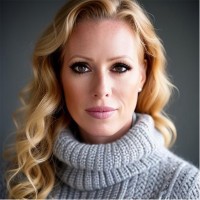
C-Suite Transformational Leader | Keynote Speaker | Board Director | Author | Passionate Diversity & Inclusion Leader |
Unstoppable and Dynamic: Born to lead.
Overcoming adversity and trauma at an early age built resilience. A trait that has remained with me throughout my life and has helped me excel as a corporate executive, mentor and leader — for which I am often characterized as dynamic and unstoppable.
My motto is to do the right thing; in creating value for others, focusing on the big picture and what matters most in being accountable to stakeholders including employees, shareholders and our communities. It also means surrounding myself with diverse teams, skills, experience and points-of-view to continually grow, adapt and achieve desired outcomes while making and leaving a positive impact — whether it be as a leader, peer, community member, friend, partner or mother.
As someone who does not subscribe to the status quo, I’m always ready for new challenges. I became one of the youngest Chief Operating Officers at the age of 24. Being unstoppable, I was a President by 35 and a CEO by age 41.
Having extensive experience in managing operations for companies undergoing periods of intense and transformational change. Being involved in 18 M&A transactions across my career, I’ve successfully re-engineered organizational structures, operations, processes and technology to achieve or exceed revenue and growth targets resulting in greater synergies and multi-millions of dollars in cost savings.
Recognized as a one of the 100 Global Outstanding LGBTQ Executive Leaders by INvolve, 2023 Women of Influence by South Florida Business Journal, 2022 Top … Read More