
Are you ready to push past mediocrity and achieve something truly remarkable? Let's tackle that together on today's podcast...
















































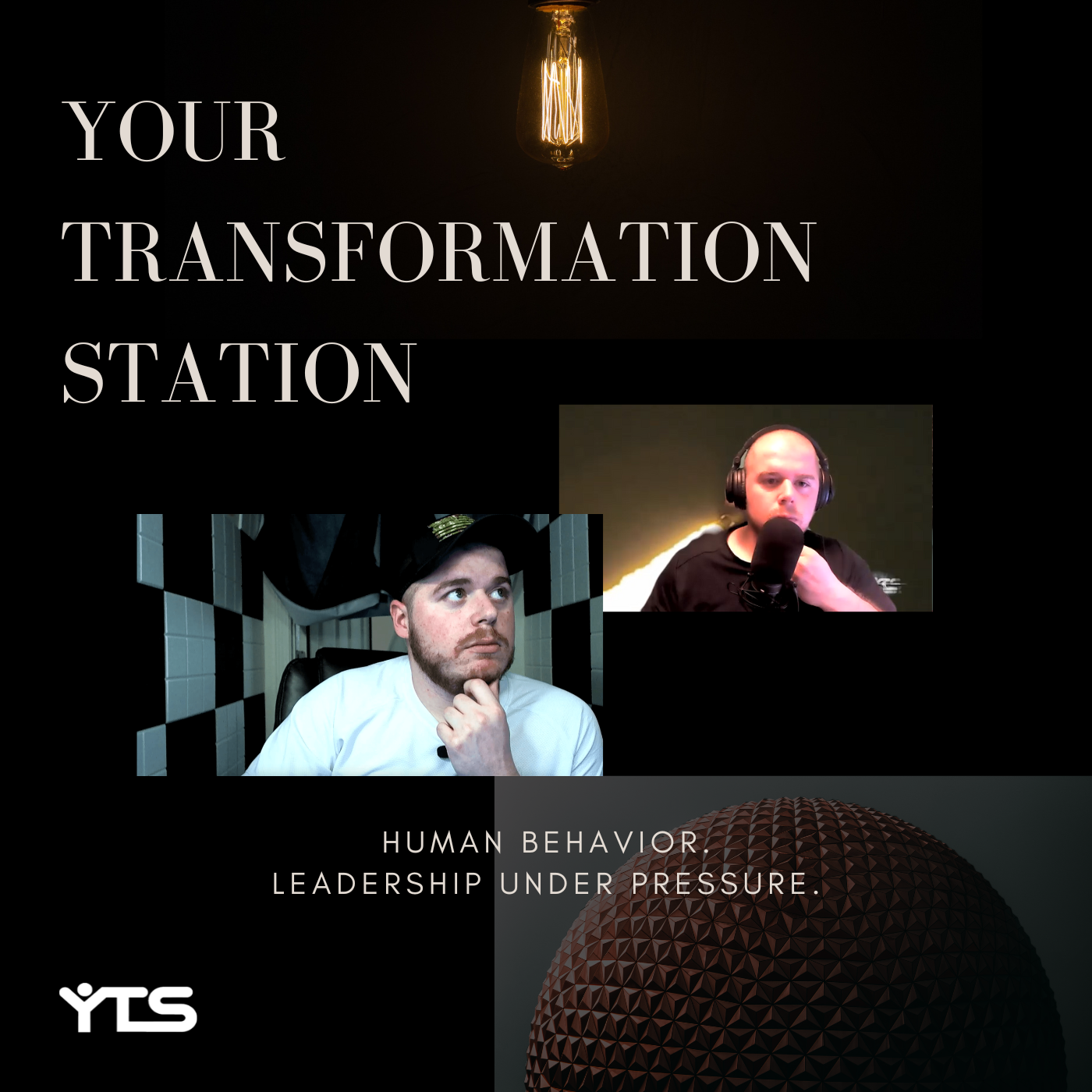
Are you ready to push past mediocrity and achieve something truly remarkable? Let's tackle that together on today's podcast, where I, Greg Favazza, along with Michael Del Prete, take you through the trenches of building a brand that endures beyond the flicker of a passing glance.
Transcripts: https://www.buzzsprout.com/2242998/14177102
EPISODE LINKS:
Michael Del Prete: https://azreia.org/show/
Amanda Barlow James: a realtor in mid-Missouri, is referenced in this episode
https://www.jaderealtymo.com/about/profile/2392746/
Best Communication Skills Podcast of 2024: https://podcasts.feedspot.com/communication_skills_podcasts/
OUTLINE:
The episode's timestamps are shown here. You should be able to jump to that time by clicking the timestamp on certain podcast players.
(00:00) - Building Brands and Investing Realistically
(07:50) - Rental Properties and Brand Building Strategies
(18:35) - Consistency in Real Estate Investing
(24:26) - Buying, iBuyers, and Building to Rent
(33:29) - Mobile Home Investments and LLC Protection
(47:54) - LLCs, Investor Scams, and Research
PODCAST INFO:
Podcast website: https://ytspod.com
Apple Podcasts: https://ytspod.com/apple
Spotify: https://ytspod.com/spotify
RSS: https://ytspod.com/rss
YouTube: https://ytspod.com/youtube
SUPPORT & CONNECT:
- Check out the sponsors below, it's the best way to support this podcast
- Outgrow: https://www.ytspod.com/outgrow
- Quillbot Flow: https://ytspod.com/quilbot
- LearnWorlds: https://ytspod.com/learnworlds
- Facebook: https://ytspod.com/facebook
- Instagram: https://ytspod.com/instagram
- TikTok: https://ytspod.com/tiktok
- Twitter: https://ytspod.com/x
say like are you a good kind of investor or not? So you pass Excellent.
Speaker 2:Yeah.
Speaker 1:Yeah. So for, like, building our brand in today's society. I feel like we live in a three second society. I mean, that's according with Facebook. In order to get a view on the video that you post, they have to at least linger for three seconds. So for people building their brands, organizations, entrepreneurs, not just investors what's the biggest takeaway that they can use to grow their brand in today's society?
Speaker 2:You're listening to a podcast that encourages you to embrace your vulnerabilities and authentic self. This is your transformation station and this is your host, Greg.
Speaker 1:Favazza. Michael Delpruitt, pratt Delpreet Interesting, I like it. I like your background too. Yeah, definitely how long you've been doing this podcast, life Podcast life.
Speaker 3:We have some here at the organization, we have some called the Azria show and we are about 125 episodes in but that's like my main podcast and I just do other random things on the side, but that would be the main gate.
Speaker 1:Nice Me for your transformation station. I'm at episode 117, making this one 118. Awesome, yes, yeah, and I love it. Been doing it for three, four years now, off and on, and I'm trying to finally get committed into it now that I got my bachelor's degree, trying to figure out how I want to take life to the next level Awesome, and just be a diehard fan, you know.
Speaker 3:No 118 episodes is pretty committed.
Speaker 1:Yes, exactly Like. I'm not going back, I'm just going to keep moving forward.
Speaker 3:Yeah, man, that's cool, like I always read, like a stat I always hear I'm not legit is, but the average podcaster quits by 50 under 50 episodes. That's pretty cool yeah.
Speaker 1:Yeah, I came across something similar with the oh Celsius. Hell yes, usually I have one. I don't like that flavor though.
Speaker 3:That's a nasty flavor. They got to be sparkling for me.
Speaker 1:Yeah, that's true, the satisfied, the nicotine crave, you know maybe.
Speaker 3:No, no, no nicotine over here. I'll hit a cigar every once in a while.
Speaker 1:Oh yeah, no, that's cool. No, like I guess they around 13 to 11 to 13. Then at that point they fall off. I guess that was around COVID, so I don't know what's happening recently.
Speaker 3:It's a lot of work man Like it. Well, if you have it a VA or something. Obviously it takes a lot of pressure off. But podcast is a big project and even at me, like we're at the same level of how many episodes. It's like every week at Friday at eight. It's like where's that? Like as part of many stuff we could discuss. It's like you're always waiting for that Like when's that big viewership hitting? When's all those you know, but you've got a day after days to keep at it, man, and it'll pop one day.
Speaker 1:No, that's interesting. I just knocked you away for some reason. I want you to come back to me. I would really like to just go into understanding. Yeah, because you focus on essentially brand awareness. As you're an investor, right, you still do that.
Speaker 3:Yeah, I still invest to this day. Yeah, invest every day and as well as we're in the organization.
Speaker 1:Yes, Okay, beautiful, Like I would love to just look at understanding brand recognition and why it's crucial in today's marketplace and kind of playing devil's advocate and look at the factors of investing isn't for everybody and I think people should know that, like it sounds, we make it sound so easy that you can just oh yeah, just just rent out your house. I mean, just do BR, Airbnb or whatever you can do. But I got sucked into a Robert Kiyosaki little seminar and I went with somebody and she got sucked in. She was all in and I saw past it, but it's like you know what, Fuck it. If she's going to go all in, I'm going to be a supportive person and just go all in and be the best at it and I just want to lay out a foundation for our listeners that hey, there's, there's two sides. Let's look at both sides.
Speaker 3:Yeah, by all means, I'd be happy to talk about that. It definitely needs to be, because one of our missions here is you know, for me, I'm the average guy working 50 hours a week, never had any like college direction or any inspiration from family, right, it's like. And real estate changed my life, man, you know, and if I could pass that on to someone else, and they just bought one house in their light, one rental, and it made your life a little better. I mean, I'm in there, I feel good, so let's talk about it.
Speaker 1:Yeah, beautiful. Well, what would you? What would you tell somebody like there's actually a lot more work than there is to being investor, right?
Speaker 3:Oh, I mean, you know it yeah of course, yeah, it's work. It's not what you see on Instagram, like you know Lamborghinis and watches. It's like it is. It's real. You could do it, just like running any business and being successful at anything. But there's application and after that learning process, right, and there's. There's no safety net, there's bumps and bruises, and there's learning and experience and so it's a business. It's not just like hey, I bought a rental property, I'm a millionaire, you know it's far from that.
Speaker 1:Yeah, like because I had to look at the situation. All right, I had this knowledge of from the Robert Kiyosaki to build credit, and build it fast. And just assessing my credit report just to remove any remarks on there that are out of date, just bringing it to the attention of the three bureaus. And essentially that was bringing up my credit score and to be able to utilize my military benefits to get a place and long term, that was my. My end goal was to use my VA and to you have to live in there for one year, then you can lease it out, and I couldn't even make it a full year because of personal situations that affected and painted the whole home. So it's just like you got to go, can't be here, but for that situation, for people, it's just there's there's a lot of aspects to it. You actually have to hire professionals, you have to be able to trust these people to manage the place and then they have to follow this certain belief system that you have. Like. For me, if I was going to lease out my place, I would want other veterans, because they I hold like a certain standard to myself and to my property and that's kind of how I expect other veterans to act. So what would you tell people that?
Speaker 3:Well, you know, when it comes to rental properties, like you have, yeah, you have your rules along with the house, right, and either you're the manager or you have a property manager. So you can't I don't know what state or city you're in or whatever it may be, but like, if there's also fair housing laws, right. But like someone has there's rules, you have a contract in place, hey, no pets, right, you know, abide by the laws of the city and stuff like that. So they have to abide by that. Right, it's in the contract. So if they break that, they have to move out. So there's also you get to, you get to choose who lives in your, your property. So you have the tenant screening process. Does it always work out perfect? No, right. Do people slip through the cracks? Yeah, of course, but there's always processes in place to warn them or find them or remove them. So I don't know if that hits you.
Speaker 1:Yeah, yeah, dude, we're just recording man.
Speaker 3:Yeah, that's the best way. I always say the best interviews are before the interview.
Speaker 1:Yeah, it is, because you don't know what the fuck's going on. It's just kind of happening.
Speaker 3:Yeah, let's talk, man, break it down. So okay, let's go back to that question. Then I was. I was throwing off Sure.
Speaker 1:Yeah, you're good, no, you're good. So, like I understand, like there I feel like the system is in, is in play for the tenant, which should be that way, because we want to protect everybody from scams, frauds. And get stuck in a situation where you feel like you're now facing coercion by the landlord. It's like why am I doing this shit? But yeah, you have breaking down for us.
Speaker 3:No man, there shouldn't be any issues. There's bad landlords and there's bad tenants. It goes both ways, right. But there. That's why there's the agreement in place, the contract, right. You live in here, you take, you live your life, you pay your rent, take care of your family, respect the house. In short, right, yeah, same thing for as a landlord right, something breaks, something needs work, I'll fix it Like I'm proud of that. As a landlord, I want to provide safe, clean, affordable housing. Are there landlords probably out there that might push things off and neglect things and ignore calls? Maybe, but right. But there's processes for tenants. There's landlord tenant laws, there's places you can call in your town to report that landlord if your house is not safe. Right, so there's both sides of this.
Speaker 1:Yeah, that's true. And then, like as far as the landlord goes, you can enforce a lease to own kind of option. I feel like that would kind of leverage the individual to take pride in the home as the possibility of getting the home long term. But I mean, today nobody really wants to own a home, so at that point you get a free deposit and they move on after three years.
Speaker 3:That's not the goal, right, you're thinking right, right, that is a strategy lease option, lease with the option to buy. So someone that will take more pride in the house, they will want to invest into it because it ultimately will be theirs. That is the goal, of course. But I don't look at it like, hey, I get a deposit right. Like yes, I do hear that in the community, like people might say things like oh, let's do it again. Yeah, for us it's not a lot of work, for us, you're going to spend that money fixing the place up anyways. That's what the deposit's for is, to, kind of, if that does happen, you clean the place up, fix the holes in the wall, fix the AC, whatever it is, and you're back to zero again. And then you go find someone again. If I put someone in a lease option, it's to sell the house, it's to provide housing for the community. Yes, I will make money on the deal, right, you know what I'm saying. So it's like, but yeah, never to like say, hey, I got a free deposit. I mean, that's not even.
Speaker 1:Okay, I want to see what your personality was if you were for that or against it. So that was like a little test there See, like are you a good kind of investor or not? So you pass Excellent.
Speaker 2:Thank you.
Speaker 1:Yeah, yeah. So for, like, building our brand in today's society I feel like we live in a three second society. I mean, that's according with Facebook. In order to get a view on the video that you post, they have to lease linger for three seconds. So for people building their brands, organizations, entrepreneurs, not just investors, what's the biggest takeaway that they can use to grow their brand in today's society?
Speaker 3:Well, welcome to the club. I'm still trying to figure it out. So, it's an ongoing thing. If I could say anything, it's consistency. You know it's being yourself and doing it every single day, not comparing yourself to the next person, or you know I understand you got to test and tweak things to get better and you know, try things that see what works and what doesn't. I'm not going to go outside the boundaries of like who I am, what I stand for, right, so I fight that every day. Man, I look at some of my Instagram things. It's like 400 views. It doesn't even go over 200. I'm like what's going on here? Like I could easily take a picture of an ass and say get rich tomorrow, get your attention, and then say, hey, come join my organization. I just don't rule. I don't know, I can't do that.
Speaker 1:Maybe that's what we need, like that's what I mean. I'm trying to look at it as far as the type people that we're appealing to. I'm looking at the majority of the population who wants to buy a home Millennials. I mean how would we get their attention? I mean, maybe a big ass and then, but then it could, but it's not really an ass, it's like your fists, but it makes you make some think. And then right in the middle, you got your little logo.
Speaker 3:My fists up whatever, buy a house or a bunch of? I don't know so, but like you know. So here's the thing the people that do pay attention to that and go viral on that stuff yeah, it catches everyone's attention. However, is that the demographic or person you want going into your business? Is that your true customer? I noticed a lot of people that, just like when we put like a funny, you know meme style short or whatever, we get tons of follows, tons of attention, but then they're gone. They're not the type of person that's going to come into your business. If we're talking about branding and actually go to the education network with the community, participate and take action on what they're learning, it's most likely that person that's trying to get rich quick. So that really doesn't fit our model. Well, whereas you mentioned, you went to a seminar that fits that model. You know what I mean. So they just want them to come in, swipe the card in the back, raise your credit on your credit card and have the program. And if you do, it's going to work. If the information is real, like I don't doubt the information, but is that person at the mindset in their lives or they're ready to become the person they need to be to be that millionaire. You know what I'm saying. So, whereas us it's more of a real estate investing, it's a long term game. You're planting seeds and you're watering it and you're getting sun every day. That's real estate.
Speaker 1:When you say like the person's not ready, like are we looking at? Do they have the social support or the resources?
Speaker 3:Everybody's different. So here's a story. I had a gentleman I'm big on, you know, information's, visioning, thinking your goals, like just thinking through the future and having a clear, clear picture. And there's a gentleman came in. We want to pick my brain, kind of thing, right? So, all right, cool, this one. I used to do it all the time and talk to anybody, and so he's like we're talking about you know who we are, whatever. He's like we talked about vision boards for some reason. I was like I got one. I was like I told him about how I made it and all that stuff. I mean, I was like where do you have your vision? Because mine was like right on side of my desk in my office, right. And he's like, oh, I got mine right here. And he pulled out his wallet, opened his wallet, took out a piece of paper unfold, unfold, unfold, unfold, bigger, bigger, bigger. I'm like, oh, you got it in your wallet, like that, I'll fold it up. And he's like, yeah, yeah, my wife doesn't believe in this woo, woo stuff and she gets embarrassed when I bring it up around friends and family. I was like, oh, and I was like, well, this isn't going to work, like, if you don't have support from your friends and family or, you know, especially your spouse, let's just keep it there. It's not going to work and he never seen him again. You know he, maybe he's doing it for all I know, but, like, but that's the idea. So when you go to support, yeah, you need to be around the right people. So I love friends and family and I'm not saying stop hanging out with them or not love them, but you need to get around people that are who you want to be, because they're going to drive you and show you, give, share resources, build you up, pull you up.
Speaker 1:And, as you were saying, what was the folded piece of paper? What did that end up? It was his vision board. So what did it look like? Was it like I can just imagine, imagine, like maybe one thing, like it just says my wife, like he's a giant piece of?
Speaker 3:paper it's unfold. Yeah, this was like seven years ago, man. I remember the exact drawing, but like you know what I'm saying. So just his notes, his vision, his goals, like whatever he you know that's what it was. So he looks at it every day on his own.
Speaker 1:Hmm, okay, interesting. So now if we were to like like segue away and just look at like social media, it's a powerful tool for building relationships, expanding our networks, yeah, so what are some like actionable advice that you could give to our audience that can, where they can use this tool to leverage their brand and get awareness out there?
Speaker 3:It sounds really boring. Please, consistency, right. So just doing it right when I, as I do this more right, I'm sorry I could I started to make more money or whatever. I could be more strategic, hire more people to help me with, do more things. So it just depends where they're at right. However, it all started with just picking up the phone and hitting record or take a picture or write something in text every single day, like, even though I get low views. I don't feel like I wish I was to add more type of stuff. When you're in a daily life, I do go to networking meetings or going around town. People like yo, I see you every day. I see you every day. I'm like I don't, I don't see how, but they're saying it, so it must work right. So I think it's depending on the person we're talking to. It's really just doing it every day and I think you just just like anything else. As you do something, more you get better at it. The more you fail, the more you fall down like I'm not going to do that again or I'm going to try it this way now. And you start doing that with pictures, videos, questions or questions to get better, becoming more confident. Right, and you start doing it more. It's just a snowball.
Speaker 1:So with, yeah, like with the leveraging this consistency, I mean, if you were to teach someone your method, how would you convince them to follow consistency? Like there's more to it than just consistency.
Speaker 3:How would I convince them to become consistent? How would I show them to be why it's worth being consistent? I mean.
Speaker 1:However you want to look at it, how would you convince them to be consistent in the first place?
Speaker 3:Well, first I would, I would try to see, ask them if they had anything that they've ever succeeded at and how they did it. So that might be like the layers proof, right, but all I could just say is what goes on in my life, man, like I've been investing for 12 years, right, it went from, like I said, man, one o'clock in the morning putting little signs in the street by myself, handwriting signs to get people to call me, not knowing how, to marketing like it or nothing, to owning the largest real estate investing association in the country. So I think that has something to say because I never gave up, man. I failed, I got beat up, I got sued, you name it. Man, I just kept going. So it's just my myself as an example. I don't know how, what else? Oh, this is great. Yeah, I don't know man. So I don't have like a magic pill to say, hey, this is what you do, but I just lead through example.
Speaker 1:Man is like really say so, like, with your time doing that, like what was something that you've taken away out of those years being an investor?
Speaker 3:In what capacity? So what have I taken? I'm just being investor. Over the years, have I taken away?
Speaker 1:Beautiful. So what I'm looking at, it's a universal kind of like application too. Like, as far as brand awareness, we all have the same thing. We all want to build a brand, whether we're a podcaster, investor or an entity for your corporation their own awareness. So, what's like of all these years? What's some advice that you could give to people that are tuning in that like, oh, we like his house, as we love houses, but what can you?
Speaker 3:teach us yeah, be shameless, I'll promote myself. Talk about what I'm doing. It's a shameless promotion, right, not being afraid, because one thing where new people come to want to get into investing, they don't want to tell their friends and family. They feel like they're boasting or they're bragging if they're like, hey, I'm buying houses or I'm trying to flip houses, or sometimes people have that limiting belief that your friends are going to think you're better than them or whatever. So I'm shameless, I'll tell you everything I'm doing. I'll respect the conversation. I know I don't have a conversation but, like, I'll tell everyone everything that I'm doing. So, like I said the hat, I like to do whatever I can to spark conversations. So that is something that I've learned. I do it from a place of I know it's not going to happen fast and I know it's going to take a while for fruit to bear. And then I also do it because I truly care about the people I'm helping. So in the organization I have a, like I said, I started off with nothing and I built this to be in this position because I've always tried to help the other person that I'm in business with right, whether it's education, educating people to become real estate investors or veteran investor to become better, whatever it may be, or when I'm buying houses from people that need to sell quickly, they're usually in a tough situation, not yes, you want to make a profit, yes, you got to do your business, but at the same time I won't put that, I won't put them in a worse spot. You know what I'm saying. It has to get them out of that situation to work out, or I just won't do the deal. So I think that also it's kind of like karma reap what you sow. All that stuff it doesn't come back right away all the time, but I've noticed over time you get that phone call that's like, hey, mike, I got this deal, you want to be a part of it, or whatever it may be, and that's the payday. You know it's a year down the road, five years down the road. So that type of stuff, the relationships I've built from doing the right business, that just come back around. You know that's what I would share, man.
Speaker 1:Okay, so like, what do you like focus in real estate investing? I know there's. I mean, you can look at billboards, you can look at mobile home parks, you like. What do you focus at?
Speaker 3:Me, I focus on mainly a single family homes depends what strategy I'm doing so a wholesaling real estate. When you're just buying, you're getting a property under contract and you're signing your interest in that piece of paper. You never actually buy the house, use your credit or your money.
Speaker 1:So it's like a deed right. You get them to sign this piece of paper and essentially you own. You have rights, legal rights to it. No deed.
Speaker 3:No, no transfers of anything like that. It's a contract. It's basically one piece of paper says Mike would like to buy your house at X price and seller would like to accept that at X price and we'll go to a title company and handle the transaction. So that's what it is, and I just basically say I could sell, I have the right to sell my interest in that contract to another person. So that's all I do, so that I could do. I could do that with anything, a bicycle house, so you know I'll do condos, mobile homes, multi-family, so I could do that with any type of housing. So so that's fine. When it comes to fixing and flipping, so you know, finding an ugly house and making it pretty and selling it to an end user, hgtv kind of stuff I won't mainly focus on single families.
Speaker 1:Okay cool, so let's go further into that. Like, are you familiar with? I think it's called iBuyers, it's yeah, you tell us about that, and is that affecting the?
Speaker 3:brokers Got it. So iBuyers are more like tech companies, right, they have big money behind them corporate money, hedge fund money, whatever it is and they do everything's pretty streamless, through online offers and you're dealing. So they're just big funds that can buy a lot of properties with a lot of money. So how does it hurt? Well, they have agents. They are probably licensed and they have agents working for them. It's just competition in some way, Just another competitor doing business a little bit differently. Still same rules, still same game. They do buy a lot. They buy houses, cash, or they bump into the investor world and then they list their houses and they make it a little bit more convenient. They cut out the agent a little bit more. So not as agents, not as needed, but they still need to be licensed. So it's just another business model, you know. So I don't think it affects too much.
Speaker 1:Yeah, I look at it as like it's Carvana for like compared to a regular traditional dealership.
Speaker 3:Yeah, I agree. So it's like you know the big parts about that. It's outside of that, like there's the iBuyers and then there's like corporate hedge funds coming in so they're buying houses, like well, it's a business, but they're taking away that emotional home. It's a business model, right. So they're coming in here, they're buying up the home. The Latt, the COVID boom, all that stuff. They were first time home buyers were out of the game, man. If you didn't have big cash, if you weren't like, people would sell their homes from California for Arizona. At least they'll come into Arizona because it's a lot cheaper and there's outbid in everybody. The hedge funds are paying 100% of value for the house. They're like it took a lot of opportunity away from the average person in the community that needs a house for their family, so like their kids can go to school. You know it affects them that way as well. Now they're doing build to rent. They're out here building communities just to rent them out, which is good because we have a lack of housing. So maybe it gives people an option to maybe get out of an apartment and move into a house for their family. We still don't own, but 80% of the permits to build new homes were for build to rent corporations. They weren't for me and you to go build new homes. We'll build a house for our family, or a small builder to build a house for to sell, so there's ways to look at it like that.
Speaker 1:Built to rent. Now I want to address that. But before I know, when I purchased a house, I was going at it for six months, straight to the point where I'll go see the house. I'm like, okay, great, I like it. Then I try to put a bid down and it's too late. It got to the point where I saw a house online. All right, I'm like I'm going to go to the 10, send it. I couldn't even go there to look at it because it was happening so quick.
Speaker 3:It's unfortunate man. Yeah, that it was crazy man, even on the here. I'll even twist it like on the real estate agent side, right, they have a fiduciary responsibility to protect their client. I'm looking at it like sometimes you were trying to, you tested me on a question, right? So people have this stigma against real estate investors. But then when an agent goes out there and they're creating a bidding war and they're having a first time home buyer, wave their appraisal, wave their inspection or whatever doing a short inspection, wave the appraisal, buy the house as is and they're just a family trying to buy a house and they're getting them to pay 50 grand over and they go and get an award at the office. Yeah, like, what's the difference? Like you know, I don't know man. So so many ways to look at this.
Speaker 1:Yeah, I mean, you got to have a developer report and I really the individual god I really wish, because I would love to yell her name out right now. She did a fantastic job. She dealt with me with a very bare minimum that was in the housing market of putting out for a four bedroom house. Like it was amazing, we got it for the price and she was just grinding for six months. We finally got something. So once I figure her name out again, I feel bad for even saying that I wouldn't let. I just want to holler and give her a little shout out. But for build to build to rent Now are you referring to as modular?
Speaker 3:homes, no, no single family. Well, and I remember a lot of my, a lot of my discussions, and come from Arizona Okay, cause that's where I'm at. So no, they're coming in building communities I'm talking 50, 100, 200 houses and developing them and then renting them out Interesting.
Speaker 1:Well, I like to try to put multiple viewpoints for our listeners, who are current buyers, who have already had a home and wants to get rid of it, and also possible investors. Now, like, have you ever heard of this? I guess this approach or model is you go out by a piece of land, hopefully filled with acres of trees, then go cut those fucking trees down, selling to the lumber fucking yards, and then that's going to get you money. You put a fucking modular home down and all you got to do is the electric and the sub pump and bam, you're like. You're set with like a 15 year warranty.
Speaker 3:Well, the first part about the trees, I don't, I'm not familiar with. I'm in Arizona, so it's maybe cactuses, I don't know, but yeah, no. But the other part of it though, yeah, I get to see it. Right, people are, it's possible. Yeah, people are out, coming out here, okay. So when everyone's come into Phoenix, one of the fastest growing cities, what does that do? Inflation is already a thing around the country. Cost of living goes up. So you got a 1500 bucks for a one bedroom right in the middle of the town. Right, if you're working at the hotel like that just doesn't work. So you got to go 20, 30, 40 minutes out and it's hard to come back. And so people are moving, the people that have always been here. Now they start going to the outskirts. So what people are doing is buying land on the outskirts, say a five acre parcel. Yeah, you could buy a five acre parcel from someone that doesn't want it any more, very cheap or just whatever that can be. Every city is different and then you could split them and then you could take that five acre parcel and break it into five, one acre parcels. Interesting Go buy a brand new modular home for 80 grand. Drop it out. You know, buy it when you get a well and sewer, whatever depends on the area. So, land, split it, get the well, get the water, get the sewer. Obviously you got to work with the city, permit zoning, and then buy a module or a brand new mobile home, so to speak, manufactured home, drop it on there, fix it to the ground and now it's a house. And then you can sell those things for 200,000, 180, whatever, whatever the situation. So there is a play there that is I do, am familiar with that and is happening here in here?
Speaker 1:Yeah, you said mobiles. What's the difference for our listeners for modular versus mobile homes?
Speaker 3:You know, I, you know don't quote me on that man I think mobile homes, because originally started like 50, 60, 70s, are actually cars, right, and they're considered cars and they had, like, the wheels on them and the hook in the front. But I think, as the you know, time progressed, they started just making them into, went from transits, from mobile to manufactured. Maybe there's a date thing involved. I don't know the exact.
Speaker 1:I know mobile. They don't retain the the resell value. I mean I've like, yeah, I came across some really nice ones, like that has everything from a jacuzzi to a shower and a tub and a jacuzzi in the master bath, like wow, but it's mobile home is like I don't want that.
Speaker 3:Yeah, like like it's. You know it's funny, right? It's like some people that's all they want and maybe that's all they know, no, right? So it's like the mobile home never was popular until well. I can't, no, don't. It's never been like an desirable investment. Let's say that, yes, but now that there's a low shortage of housing I mean those I've, all the years in the business man never dealt with a mobile home under a hundred, over a hundred grand not that they're all over a hundred grand, it's crazy In my area, yeah.
Speaker 1:Like like I lived out in one in Colorado and loved it. It was out in Bayfield and I was on 27 and a half acre. It was beautiful. I had my barn and I wasn't a fan of mobile homes. But that one had three, three bass, three beds in the master, had Jacuzzi in a shower and a tub. I'm like, oh my God, this is so cool.
Speaker 3:Yeah, man, yeah, that's cool. 27 acres yeah, that's amazing man. Yeah.
Speaker 1:But it's just like you try to find that out near a city or any place that's heavily populated. They ain't going to happen unless you got a million dollars. Yeah.
Speaker 3:Yeah, man, you know people there's. In Phoenix. There's subdivisions that are just you own the land. It's not a park, you own the land and there's mobile homes on it. It's just you could bring one on or you could buy one that's already there. Oh, I've heard of that.
Speaker 1:So then, with that, you have to, you have to you. Essentially, you would rent the place, the spot like where you're, where your mobile home's sitting on. That's a park.
Speaker 3:Yeah, so there's either you have someone that owns X amount of acres and then it's kind of like parking spaces in a way. It's called a lot rent and then you could drag your mobile home on there, or sometimes they're already there and then you pay a lot rent but you own the mobile home, but you lease the land Interesting that's one way and those are usually cheaper. So you can get those mobile homes. Those are even above 100 here in Phoenix, but you can get those a lot cheaper five, 10, 15 grand. It might be worth 30, 40, you know, but then you have a separate. Then you could either get mobile homes that own their own parcel land, just like a neighborhood, their subdivisions, wow, okay. So there's so much to real estate, like, like you said, there's so many ways to do this business.
Speaker 1:There's no right or wrong way, and no, that's the beauty, like what you said, with like the mobile home, like parks, now for people that are wanting to be prospective investors, like I know, there's parks where there's probably maybe abandoned mobile homes or just whatever the case may be, and I feel like you could almost persuade the park owner to sell it to you cheap. Or I would say, looking at it's a burden that that home, this potential home, that's sitting there, it's taking up space, it's not collecting any money. I'm looking at it Because if you give it to me for free, I fix it up or I remove it, then I could sell it or just fix and flip, kind of thing.
Speaker 3:Yes and no. So now in. And I would say something like that would probably happen and where the demand isn't as strong.
Speaker 1:Okay.
Speaker 3:Right. So here in Phoenix the parks are like a hustle man. So it's like they they I think even in their contracts, their management contracts or for the leasing they have, like first right or refusal, so like sometimes you can't even sell it to someone. You got to call the park and be like can I sell this to someone else or are you guys going to buy it? And then if you do sell it to someone else, they want to approve that person to even be in the park. So it's really they make it really hard to kind of get creative and do us because they ultimately they probably want that, especially if there's demand. They want that if you someone passes away, they get that thing pennies on the dollar from the family and then they rent it out or they sell it. So that's what it works, starting to see more common now here in art and Phoenix.
Speaker 1:Interesting. So when somebody passes away it goes to probate unless it's in trust.
Speaker 3:Well now, if we're talking on in a park, it would pretty much a mobile home is considered a car. So this is dean V type stuff. You're right, that is true, that is true. So it goes to the estate. I'm not an estate attorney or anything like that, but like you know what I mean. So somehow, if it's not abandoned, obviously the family member comes in, the car is a part of the will or the estate, the trust, whatever they have. But someone's going to come in there. Someone has to come in and get that registration into their name and deal with the park. Interesting, I'm sure there's like an abandoned clause, right, like if I'm sure the park has something hey, this has been sitting here for six. I'm sure they have some type of rules or laws that allow them to what's it called a quiet title, right, there's strategies to get abandoned cars into your name and stuff like that. So I'm sure they have their process laid down.
Speaker 1:Yeah, like, because I was thinking like there could be lanes on like what they have, a lane on a like a DMV, like title versus like a home. Because I know if you hire contractors and you don't pay them off then they can put a lien on it. So we try to sell the house. You will have to pay that first before the house can be. Well, the title can be transferred over. Now I'm thinking, would it be like a salvage title, like you can't have it, be able to sell it until you deal with the park issue, or might just spitball and some crazy shit.
Speaker 3:Yeah, you're out of my league right now. Yeah, I don't know how car leans work or transferring titles. For you know, I personally I would say I don't have much experience in the mobile home park world, you know. So I have some experience and good friends here at the at Esriah that we always chat about, but I'll you know I could deal with mobile homes that own their own land, that are treated like houses. So that's a different story, right? So if you have, you own the land, the parcel, the lot, and you have to do what's called getting it permanently affixed. So it's an affix, your process. So for like a thousand, two thousand bucks, whatever it is, you can have a professional going. They literally like strap the mobile home down to the ground like an engineer, wise, right, so it's safe and doesn't blow away, and then they consider it real property. Now it's treated like a home and then you go through the title process, the title company, get a deed and everything on the house.
Speaker 1:That's weird. So it's almost like like having a child. You just you get the social security card, so it's like you're getting it. Now it's a real house you got to make that make you.
Speaker 3:Yeah, yeah, man, for real yeah.
Speaker 1:That's funny.
Speaker 3:Just like your kid, you don't even own your kid. You don't even really own the house because you got property taxes.
Speaker 1:Okay, no, that's interesting. Now let's look at another aspect. Like for I know there's with buying and selling like is there like a model? No, no, before we go to that, llcs. Like are you familiar with how LLCs work from from an investor's point of view of protecting yourself? Like I know there are certain ways to set up LLCs. Like what's your view on it and how do you approach it for yourself?
Speaker 3:I look at it as protection. It's like a shell over your personal self. So if you have a rental property, you buy it in an LLC and you have it inside that LLC. So for whatever happens there's a lawsuit. They're not coming after your personal home, your personal bank account, your personal assets, they just deal with the LLC and everything the LLC owns. So the first and foremost thing is it's protection.
Speaker 1:Okay, now, like I wanna go deeper in that because I know we can really, like you can set up your LLCs to be like unique, like you can have one LLC and inside that one there's four, and when, with each one of the four, one can consist of your savings and checkings, the other one can consist of personal property, and then the other one can consist of whatever, and then it's surrounded by a trust.
Speaker 3:Yeah, there's plenty of strategies like that. That's something you do with your estate planner or your wealth strategist or your attorney or your accountant, right? So there's one thing I always say it just depends on you, the investor, and what you're trying to do. So do I actually, I'm in the process of creating a trust. So, yes, so I'll have a trust which will be owned by. Well, own my LLCs, my rentals or whatever. So now, if I pass away, no one comes in there and dictates I don't have to go through probate or anything. The court doesn't decide that my son can or cannot own anything or sell anything, right? So that's how I look at it is protecting your family and your wealth and all your hard work. So outside sources can penetrate that, right? But yeah, like there's man, I don't dive that deep, like if you're talking about like the shell game and just protecting and being hidden. No one knows who you are and you know what I'm saying. Like that's real man. Yes, I remember I was. You know I network a lot, right? Someone called me, right? Hey, mike wanna get a phone call, cool. And he goes hey, your house is right by my office. You're on blah blah, blah blah road and I'm like how'd you know that? You know what I'm saying. Like this is the first time I ever met the guy, never even met. I talked to him and he knew where my house was. You know what I mean. Like that, obviously, it's not probably not that hard these days to figure out where people live. However, you're like man, you feel wide open, right? So if someone wanted to sue you or they wanted to see like whatever, just some crooked people out there. So that's how I look at it. How can we protect ourselves? I wouldn't. I don't do it in a way of like trying to. I don't know if that's where you're trying to go with it, you know what I'm saying.
Speaker 2:Some people just try to have some people try to.
Speaker 3:What do they do? You see in the movies like the cowboy movie I was watching they have like leaves and branches on their feet so it covers their tracks.
Speaker 1:You're gonna say it yeah. You're gonna say it Like yeah, looking at it from a protection, because I know with LLCs you can have them linked to other states. As far as I know, with Nevada, the Secretary of State's name only populates there, so when they were to look up your information or your LLC, but in other states no, I believe Florida it's the same, but everywhere else Arizona, I'm not sure.
Speaker 3:That happens in. I'm actually that's funny, you bring that up it's Delaware, wyoming and Nevada is where they have like that. I don't know the legal terms, like where it's. Just you can't find the person or they don't clearly say it publicly who the owner of that LLC. So, yes, do people have LLCs within their Wyoming LLC or within their? Yeah, all the time, like, I have deals, I have partnerships where I buy houses with people and when you buy houses at the end of the year after all, you're when to do your taxes you get a K one which explains how much each partner makes, and you take your K one, you submit to your accountant and you tell them you know how much you made and lost to the for the government. So every time we tried to refi a house or do a deal with one of my partners, they had everything in a Wyoming LLC and no one knew their address or phone number. They knew nothing about them and they would automatically assume, like who is this guy? We can't refi this house, we don't even know. They think he's shady or something. But no, he's just just protecting his stuff, man, he's a great guy, you know. So it's like yeah, man, there's a new. I'm looking it up right now, since we're talking about it. I got a, a guy, no attorney. He sent me an email about what you're talking about. Here we go. It's called. It's just passed private privacy Congress passed the corporate Transparency Act. This law creates a new beneficial ownership information reporting requirement as part of the US government's efforts to make it harder for bad actors to hide or benefit from their ill gotten gains through shell companies or other opaque ownership structures. It's called the beneficial ownership information reporting system.
Speaker 1:So I just happened.
Speaker 3:So it's a long, long article here. I'm sure we don't I don't really just don't want me to read it verbatim, but I still. I just actually sent it to my attorney and said is this something we need to inform our members about and educate everyone with LLCs? So so yeah, I guess they're maybe cracking that open at some level, I think mainly for the Wyoming part of it.
Speaker 1:Interesting. That's beautiful. I mean, what was the name of that article? So then our listeners can find that they won't go into that little loophole.
Speaker 3:You know this gentleman, lee Phillips. He's an attorney. He used to be like a politician, you know he just sends me his articles every once in a while. I don't know. I could forward it to you and, if you want to like, upload it on this episode or something. I'm cool with that?
Speaker 1:Yeah, definitely, I would love to share that with everybody. That's interesting, like I understand, with having this system of LLCs within one. If you do, if you somehow you get sued or something where there's a lane or something that's pending against your LLC. I know it's beneficial to have those LLCs inside, say, if you have a self-directed banking account where you pay yourself depending on, I think that's an S corp or C corp, and then you're able to still operate effectively even though you have pending legal matters.
Speaker 3:Yeah, I don't have that answer me. I'm sorry. I don't really have too many or any legal pending matters, so I just have my bank account. So one thing I do is I do have a rental property with its own LLC. It's usually like whatever the address is, sometimes make the address that's the name of the LLC. You open up a bank account and I have a bank, one bank account with that one LLC, and you just run your business. So I'm sure there's an attorney on here that could say you're wide open or whatever, but that's just how I do it One LLC, one property, one bank account. It can be a lot of paperwork for your bookkeeper or stuff for tax reasons, but that's all. That's how I do it.
Speaker 1:Beautiful. No, I have all this information that it's kind of just useless, so I just want to just word vomit it out whenever I see fit.
Speaker 3:All good man.
Speaker 1:Hell yeah. So that's something to be considered about. But actually looking at it as far as protecting ourselves from scams from investors, Like, is there like resources that people could look people up to say, oh, this guy has. He's been charged like numerous times with X, Y and Z?
Speaker 3:Man, one just do any type of research. You can just straight internet, right Start there. Yelp, google review, better Business Bureau Just start there. Is there a way to look up? I don't know exactly, man, I don't know where you would look.
Speaker 1:Investorgov. I just came across it. Yeah, so you just type the individual's name in there and then you can pretty much gives you a rundown of everything about the individual.
Speaker 3:I know I've got scammed Really Hell yeah man. I know this guy he got me. Good man, do tell. Do tell yes, let's see if he's. I'm gonna check right now. Investorgov yeah, I'm gonna put his name in there and let's see. So you know. So one popular thing here is I did, I do, a lot of investing in Cleveland Ohio.
Speaker 1:It's Midwest market lower, we get a lot of listeners from Cleveland Ohio on here.
Speaker 3:All right, well, I got a lot of stories but you know so what happens there? It's low. When you're in California, arizona, miami, new York, you're talking five, six, seven million, you know, for a house. So when people are trying to cash flow it's harder to cash flow because you know it's a lot more expensive to rent. To purchase ratio doesn't allow for a good return on investment. So people move to like the Midwest right, so you can get a. You can buy a house for less than a hundred grand, put a 10 in there. For a thousand bucks you got 10% return. Give or take whatever, it is good investment. But what a lot of frauds do they go? They live in California, they live in Florida, they're in this, they go in these nice areas, country clubs, wherever it is, and they're as well liked and they say, hey, I'm investing in so and so in the Midwest, I'm killing it, I'm crushing it. Whatever they have their, whatever they do to full people and they just go buy properties. One thing, okay, we'll share what your listeners if you ever lend anybody money, you must get first lien, get first lien position on the property, just like if you go borrow money from the bank, a Bank of America and they let you borrow money to and you pay them a mortgage, no different. So if someone's like, hey, let me borrow a hundred grand, we're going to flip this house, we're going to rent this house, you got to get first lien position and record a mortgage note against that property through a title company. You do not give them a check and over the kitchen table, whatever, and then say, hey, this is your house, 123 Main Street, we're going to work on this. I'll let you know when I'm done. No, so the it's. So. Education it goes back to education and being around the right people and doing a little bit of research. That's one thing we all you know. You have to take some responsibility right of doing some research about what you're getting into, whether friend, family, whoever it is, with this guy, these people out here, this one specifically. They're going out saying, look at me, I'm crushing it, I'm doing this, I'm doing that. Look at the pictures. I literally went on a bus tour and saw the house, saw the contractors, everything and basically they're just buying the house and keeping the money. Like you'll cut. You'll cut the person a hundred grand. Like, this is your house over here. It'll be done in three months, six months, and they just keep the money so interesting.
Speaker 1:So, like, let's look at that. I was trying to rent a place out here in Missouri and I came across this app where you just you pay like $10 and then it gets you like 30 attempts, where you can visit a home and it has a lock on there and then when you have, you scan your ID, you go to the house and you scan the code on the lock. It unlocks the house to give you the key and it gives you a amount of time for you to look inside to see if you want to rent it or not. And I believe the houses are winterized so it's empty, it's all ready to go and there's people that are pretending to be the owner of that set of house putting it on Facebook Marketplace saying you can rent this place for this amount. All you got to do is just give me the money and you can take the key and just move in.
Speaker 3:Yeah, no, that's big out here too, or what they'll try to do is just hustle you for that. Hey, it's a $50 application fee, just sell me, right, and then people are just selling $50, $50, $50. So, yeah, that's a problem, like you know. Once again, if someone's renting a house, you can do like we were talking about searching public records, right, you can look up that house, you can see who owns it, right, you can see if there's a real estate agent involved. Get a real estate agent involved, look up public records as an owner. And who are you talking to when the person says, hey, I'm renting my house, what's your name? Are you the owner? You have just as much right to ask them who they are and what they're doing, just like they're going to ask you. So, and just never give if you don't see the house or you don't feel comfortable. Don't give anyone an application fee, don't pay for anything.
Speaker 1:See, I'm looking you up right now and see if I got. Is it Jonathan? Michael? Nope, nope. Michael Delpreet, yeah, I'm not seeing it on that one, I guess for investorsgov. I don't see you. Where are you? Are you hiding? I'm going to have to devote my time to looking you up. I'm always curious. Go for it. Yeah, I don't see you on here, michael Delpreet, yeah, no, not populating. Why are you not populating on investorgov? Made? My social media is not good enough. It's not public view.
Speaker 3:Well, investors don't. We're not licensed. You don't go onto a full public registry and put your information.
Speaker 1:No for this one for the US Securities and Exchange Commission. I guess it's for firm or individual, but then it's either name or CD or CRD number.
Speaker 3:But why would I be on there? I don't know, I don't know.
Speaker 1:If you're an investor, are you an investor?
Speaker 3:Got it yeah.
Speaker 1:Yeah.
Speaker 3:That has Securities Exchange Commission is if you want to be a credited investor, Thank you. Yes, Okay, and you want to be considered a credited investor so you can invest in certain projects. So this has nothing to do with finding. I don't think it has anything to do with finding whatever you're looking for scams or whatever. So I think you might be a little off track.
Speaker 1:Yes, but no. This is good, though, because if I was trying to find information on, trying to identify if this is a good person to invest with, my idea was oh, investorgov, that makes sense.
Speaker 3:Yeah, no, no, I hear you. So is there? I'm not familiar of a site. There's big communities like biggerpocketscom. I don't know if you ever heard of them. Yes, you could just maybe search their name. That's one thing. Okay, here's something you could do. You could go to Facebook groups, yes, and go and search their names in Facebook groups, man, and if they're active in a community, go to whatever Missouri real estate investing and then punch their name in. If they're active buying and selling and they're doing bad business, someone's going to be like yo don't work with so-and-so. So I wish I could share with you. Hey, there's a site for don't work with people. You know what I mean, but I'm not specifically aware.
Speaker 1:Yes, I know when, like your presence or like what you do into the world, the law of attraction does gravitate towards you and what you can't get rid of is what's on the internet. So that's arming people with the right information to protect themselves, Because we got to look at it, it's hard earned money and what they want in life. It might be something that is pictured as ideal, but they don't understand the amount of work, the effort you have to put into, but also the dangers that can happen in just a blank of an eye by trusting somebody.
Speaker 3:Yeah, man. So you have a responsibility to educate yourself the best you can before you lend anybody money or even do any rent a house. Buy a house that, because there is some bad stuff out there, man.
Speaker 1:Beautiful. Now let's transition into closing. Would you like to? You can have the floor, share what you would like to share and inform our listeners whatever you'd like to inform them.
Speaker 3:Yeah, man, really like. My main thing here is the Arizona Real Estate Investors Association. So if you're looking to invest in Arizona, or if you're in Arizona and you're looking for that proper information, the right people to work with, vetted business associates that have been in the business five to 20 years with a great track record, and you're just looking for that the right way to do things, or where your resource here in Arizona, so we go to azriaorg, check out our. We do about 15 events a month, you know, or we stream events as well. So that's all I'm really going to do, man, just give the right information to the right people.
Speaker 1:Hell yeah, Well awesome. I do appreciate your time and joining us today.
Speaker 3:Yeah, man, thanks for having me Really appreciate it.
Speaker 1:Excellent, that's it. Were you happy with that?
Speaker 3:Yeah, man. No, it was definitely a different style and I appreciate that man that, rather than the same old one, three, two.
Speaker 1:Yeah, no, because like we went right into it. Yeah, no, it's exactly what I like to do. I like to. I want it to be authentic and real and it's like I'm calling you out, like seeing if you're a fraud, like you didn't even know it.
Speaker 3:Yeah, I was like what's going on.
Speaker 1:Like no.
Speaker 2:I like that.
Speaker 3:I like that man because you do when, you do, when, like you know, 120 interviews and then you're part of 120 interviews. It's like it's just that Inspire, it's always inspiration, motivation, or like you get to have my same answers down and I'm just getting better at saying them. So I liked being off track and you know, just being, you know myself.
Speaker 1:Yeah, like I wanted. It's like having a conversation like two friends and they're just sitting in the room like a fly on the wall like, oh, they are saying all this cool shit that I wish I knew, but they won't share it with other people because it might be considered frowned upon.
Speaker 3:Yeah, like, like, that's exactly what I meant when I was like the good conversations are the conversations before you hit record, Like in that school they were just doing it and we were just already having that conversation. So, yeah, man, I appreciate your style and I like it. And yeah, man, thanks for having me.
Speaker 1:Exactly. That's the way. Exactly. That's the way with today's brand. It's how much effort are you willing to go to get noticed and get in front of?
Speaker 3:people. Well, you know what I'm doing right now is I committed to 100 podcasts. That's why I signed up for all these these podcast connection things and I have my assistant like calling all just random podcasts. I'm trying to hit 100 podcasts. This was like number seven.
Speaker 1:So yeah, man, you know what it's going to be downhill from you, like from here, because they're not going to have this excitement.
Speaker 3:Yeah, as you can tell, I'm very expressive, yeah.
Speaker 1:And it's like whoa. Like usually, you can like plant your feet to know what's happening, but I felt like you didn't know what was about to happen next.
Speaker 3:I didn't, you got me. Yes, oh my God, no glue was going on, man. I was like let's just chat man See where it goes Fuck yeah, awesome.
Speaker 2:Thanks for joining us on this adventure of growth and discovery. If you're ready to achieve a sustainable transformation, don't forget to hit that subscribe button so you never miss an episode. And hey, if you've enjoyed the show and want to support it, take a moment to leave a podcast review on Apple or your favorite podcast platform. Stay connected with us on social media for behind the scenes, sneak peeks, inspiring quotes and the latest updates. You can find us on Facebook, instagram, tik Tok and YouTube. Just search for YTS, the podcast. Until next time, remember change is constant and transformation is inevitable. Embrace the journey and keep rocking your way towards a better you. Stay bold, stay curious and stay true to yourself. See you next time on your transformation station.
Support, Inform, and Educate Real Estate Investors through out Arizona
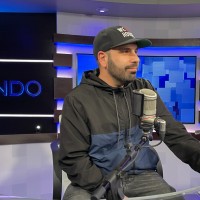
Michael, Executive Director of the Arizona Real Estate Investors Association (AZREIA), is an esteemed real estate investor with over 700 transactions spanning Cleveland to Phoenix. Renowned for his astute advice, he's empowered investors of all stages to generate significant cash flow. A sought-after speaker at IMN conferences, Mike has also been a coveted guest on prominent real estate podcasts and spotlighted by Inman and numerous publications nationwide. Beyond his hands-on investments, he passionately shares his insights on 'The AZREIA Show', a podcast dedicated to real estate investing.

Gregory Favazza: Veteran, Host, Leadership Expert
Gregory Favazza is the host of Your Transformation Station, a podcast focused on clarity, discipline, and the psychological mechanics behind real change.
He holds a Master’s degree in Industrial Organizational Psychology and a Bachelor’s degree in Organizational Leadership. His academic training is paired with lived experience as a military veteran who has operated inside high pressure systems where performance, morale, and accountability are not theoretical concepts. They are survival skills.
Gregory approaches transformation clinically rather than motivationally. His conversations cut through surface level advice and expose the systems beneath behavior. Power dynamics. Incentives. Identity. Emotional regulation. Accountability. He challenges guests and listeners to stop reacting, start reading situations accurately, and lead themselves with precision.
His style is direct, controlled, and intentionally uncomfortable for anyone addicted to excuses or performance based confidence. Your Transformation Station attracts leaders, creators, and thinkers who value depth over hype and self control over noise. People who understand that change is not inspirational. It is operational. #podcasts #yourtransformationstation #leadership