50. "Comedy Central Shows The Lounge" 'Trenton Hudson' w/ Favazza


"How can you create a transformation in others if there's no transformation in yourself?" Greg Favazza, Creator and "Host of Your Transformation Station", interviews (Trenton Hudson) the Co-Founder of (RiOT Comedy), the network which produced "Real Ballers" and the newest show "The Lounge". Trenton also designed and created Korma Coffee, a premium coffee made from dates, which Greg received as a complimentary gift.
Gregory Favazza:
Look at it. This is you submitting your deal to comedy central. I would like to get some insight on what exactly happened and the outcome. And then afterwards, if you can share advice for content makers who want to level up their work in hopes of being recognized by a large business from
Trenton Hudson:
your experience. Yeah. So our, our experience. So I want, I want to answer that, that last part that you said first, I want to answer that first about the advice for other content creators. The advice I would say more than anything is work with people who are better, smarter, more experienced than you. The first year alone was like, like a four-year master class in college of, you know, how to, how to make TV shows and do it. Welcome to your transformation station. Socrates once wrote the secret of change is to focus all of your energy, not on fighting the old, but on building the new it's time to rediscover your true identity and purpose on this planet together, we can transform our community one topic at a time from groundbreaking performers, making their elixir. Your dose of reality, your transformation arc. This is your transformation station, and this is your host, Greg Favazza how you doing today, man? Fantastic man. Happy to be here. Appreciate you having me.
Gregory Favazza:
I appreciate one is sending me the cough.
Trenton Hudson:
Got a chance to try yet. Yes.
Gregory Favazza:
I'm actually drinking it right now. I got to send you one of those mugs and
Trenton Hudson:
oh, that's what's up. I like that. As I said, what do you think of it? I think
Gregory Favazza:
it's exactly as it's described, it's got that classic bold taste and I don't, I don't, I don't put creamer into it. I like to stick with just black and maybe I'll add a little sugar, but I didn't put any of that in there. I just want to make sure I tried the effects and see how it feels and how it tastes and everything. And it is really good
Trenton Hudson:
and
Gregory Favazza:
yes, I pulled up some research about it. So we will cover that later in today's show. I have a, as far as, uh, getting some scientific studies about the health benefits and then. I don't want to jump too far into I'm ready. Just going on here.
Trenton Hudson:
Yeah. W we'll we'll get there, we'll cover all the important stuff.
Gregory Favazza:
Trenton, you are a self-taught artists and content creation and a business owner of riot comedy, which both you and your brother, Dylan Hudson co-founded riot comedy is best known for the online animated program. Real ballers, also the lounge, which premiered on comedy central in 2016, has it been stored? And is it available on riot? Comedy is the very question that we need to know.
Trenton Hudson:
Um, the lounge isn't available on right comedy, the lounge is available on comedy Central's website. You can go to their website and search the lounge. Um, we did 20 episodes for them. It was like a two season run on their, uh, digital platforms. But, um, as far as like write a comedy, yeah. You can still check out the real ballers and all that stuff, which is like a super funny show. If you're an NBA fan, real ballers is super funny. Um, basically just parody and make fun of the non-stop NBA news cycle, all the drama that's going on in that. And then lately, like, especially since the pandemic came, we kind of shifted our focus a lot towards, um, developing full linked, uh, animated TV shows. So right now, um, our focus has been a lot of reaching out to streaming services, production companies, things like that. And we have a couple of projects right now that are actually like picking up some solid steam and gaining ground. Um, we actually, uh, we have a pitch with Netflix and like a month for one of our shows. Um, we have a show that, um, We got some really cool people to work with us on it. We have a show where, um, we have David Kitchener committed to the project. David catcher, if you don't know who he is, he is. Um, if you've seen anchorman, he plays championed the weather, the sports whamy he's that guy. And, um, yeah, Todd packer on the office, which I love him in the office in the, so he's committed to be the voice of like the boss in the show. And, um, it's a super funny show. Adam Ray is also attached to it. He's an up and coming comedian and he's super funny, super talented, amazing voice actor. Um, and then we have someone else who has a little bit bigger name than those two, but she isn't like fully committed to the project yet. So I don't want to, I don't want to drop her name out there, but she did come through and do a, she did a voice for us for free on one of our, uh, like pitch points projects we put together for like a sizzle reel. Um, so yeah, that's kind of been our focus and we've, you know, we're in. Closer towards making that happen and having a show on television. And then, you know, once that happens, then we'll start to branch out a little bit more and probably even produce a little more content for riot comedy on our online, um, social platforms and all that. But yeah, right now the focus has been making, making one of these TV deals happen.
Gregory Favazza:
That is awesome. Like, I want to go into that now. Let's, we're going to put that on hold and let's go into the beginning a little bit. We'll backtrack. You've had two heart attacks at the age of 21 to the left anterior descending, which is the lad and aneurysm, which is uncommon in the American population. Uh, essentially you could have died from this experience.
Trenton Hudson:
Yeah, yeah. Essentially I should have, honestly, like it's, it's funny because the led is called the widow maker. So typically if you have a heart attack in that region of your heart, typically that kills you. So the bottom half of my LAPD. Which for those of you listening, if you don't know the lad, there's like four sections of your heart and the lad provides blood to that bottom left section of your heart. So there's no blood flow through there anymore. But luckily before I had my first heart attack, my heart kind of recognized that something was up and started developing these arteries around it. So my heart there's no blood flow through my lad, but these arteries that my heart developed on its own feed blood to that part of my heart and my heart has completely normal function. Now, like no issues. Like last time I saw my cardiologist last summer. Yeah. Summer 2020. We did like every test in the book, we did an ultrasound. We did, um, the CT scan, like with the 3d digital imaging and all that, and everything looks super good. So I'm, I'm super lucky, super blessed. And the crazy thing is that whenever you have a heart attack, your heart never heals from that. So whatever damage has done has done, you just have to kind of live with that in your heart, has to, you know, try to make up for it or do without, or whatever. But. My heart sustained from two heart attacks, almost no damage. It was like, it even took the tech a while to find it when we were doing the ultrasound and looking at my heart and him and, uh, my cardiologists both were like, you're like incredibly lucky that this is all that was done. It's like, it's almost impossible to find. And yeah, everything looks great. So yeah, I'm super blessed, super lucky, but yeah, quite a, quite an experience to have when you're 20 years old to wake up on a Sunday morning and you know, you got chest pain and you ain't thinking too much of it. And then it gets a little worse and you eventually, you know, go to the, go to the ER and they admit you after sitting in the waiting room for two hours. But, uh, yeah. They're like, yeah, you're having a heart attack. They went inside and looked at it. Quite an experience changes your perspective on everything in your life? Yes, it
Gregory Favazza:
was definitely, uh, a wake up call for you. You were pushed into adulthood, uh, quickly during this experience and that's where you, you gave up on caffeine. You, you, at that point, you were never, you stopped taking caffeine. Uh,
Trenton Hudson:
it was a while, honestly, I kept drinking caffeine for awhile. Um, but I, I was consuming it pretty moderately. I've never been like a big caffeine person, but I love coffee and I love the taste of coffee. I love the smell. And, um, so yeah, and then I got to a point where it just kinda like started to bother me a little bit more. And if I have two coffees in one day, my, my chest, it's not like a painful pounding or anything like that, but it's like, oh, something's off in here. What what's going on? So yeah, I pretty much gave it up. I haven't really. Been too heavy on the caffeine and a few years now. And like every now and again, I might stop and grab a cup of coffee if I got a long road trip ahead of me or something, but that's about it. Otherwise I'd drink. I'd drink the korma. Yeah.
Gregory Favazza:
Which brings me out to the next question. Why did you start your own coffee brand?
Trenton Hudson:
Yeah, so I started this, um, for people who were like me, people who either can't have caffeine or it bothers them, or maybe you just want to live a little healthier lifestyle. Like my mom used to drink a whole pot of coffee a day. Like every morning she'd get up, started a pot of coffee and sip on it all morning as she's getting ready. And now she has. Doesn't it. Now she has one cup of coffee and then she'll switch to korma. And she said, that keeps her feeling good all day and she doesn't have the crash in the afternoon and it feels great. Um, so I started it for people who just, you know, to want to be a little more health conscious and, or maybe you're forced into being health conscious because you have a heart issue, like a lot of Americans. Um, and it's funny, cause I actually started making this for myself. Um, you know, I'm one of those people who I just kind of try to see how I can save different food, things and seeds and things like that. And I've looked at what they do with date seeds and you can turn them into coffee. And, um, I got tired of making it for myself and one of them buy it at the store, but I couldn't really find it. And um, so I kind of saw the opportunity there to provide it for other people who maybe don't want to make it for themselves and also myself. Um, so, and then ours actually has, um, a little bit of chicory root. Which is like this dark, bitter urban it's actually really healthy for. You got a lot of great, um, components to it. And it's really popular in new Orleans. If you've ever been in new Orleans, chicory coffee is like really popular. There it's a staple. Um, and it balances the date, the sweetness of the date seeds so well, and it gives you a pretty solid, pretty close to authentic coffee flavor. As far as like coffee alternatives. I've tried quite a few. I like a lot of them are really good, but they just don't taste like coffee. So I
Gregory Favazza:
looked to the studies, I looked into the studies of a date seeds extract being effective in scavenging free radicals in relation to specific diseases. I was able to pull it up as far as, as proof. The date seed extract causes a noteworthy decline and blood glucose levels. And. Diabetic control and diabetic control rats. So they do a study of that. And what they take away is from reasons from Palm date seeds could be used as food supplement that helps treat, uh, chronic diseases, uh, renal stones, bronchitis, bronchial asthma, a weak memory, uh, blood pressure relation to intestinal. And, uh, I can't forget what that was. And, uh, growing up, uh, body proteins, reducing fat and normalizing blood sugar. And it's comforting for the pancreas. There is plenty of scientific research to back that up as a very healthy alternative to what people's currently drink.
Trenton Hudson:
Yeah, these are considered a superfood. So when you take something from the seed of it, you're just, you know, amplifying those, those properties and getting it, you know, at its most purest raw source, which is the seed. And so, you know, it's, it's, it's not acidic. It's not going to give you acid reflux, like regular coffee may for some people. Um, yeah, like you mentioned, it's great for your digestion, your brain health. Um, it's great for your skin. There's, there's so many benefits of it. So to, you know, I'm a, I love my morning coffee ritual, or sometimes I do tea, but you know, I love my hot drink in the morning. Like a little before the sun comes up and what every day, like keeps me feeling good all day. And some that I know is good for me. It's like, I love it. I love the way it makes me feel. And I want them to really be able to give that to other people. So, you know, that's, that's kind of how korma was born and yeah. So it's korma has the brand with a K. If you're, if you're in the, if you're trying to live a little healthier, have a, have a healthier morning to start your day and no crash, you know, I want to be able to help out those people that are, that are looking for that. I'm not, I'm not here to convince anyone to stop drinking coffee. If you love your caffeine and you love your coffee and you don't have any adverse effects, do you, I'm not here to, you know, convince you, but if you're looking or if you want to just, you know, try to try something a little healthier, you know, I want to be able to help those people that are looking for, and
Gregory Favazza:
I'll be sure to link everything here in the show notes, as far as where to find everything from all your content, your media and course coffee. Uh, let's talk about the, the difference between your coffee and regular coffee and highlight some of the side effects of, uh, decaf coffee that people aren't aware of.
Trenton Hudson:
Yeah. I mean, obviously the biggest diff the biggest difference in our coffee and regular coffee is going to be the caffeine. Um, the acidity ours is actually considered alkaline. So it alkalizes your body. There's no, it's not. Like I said, it's not going to give you some reflux. It's not going to kind of give you those effects that, that the acid can do. And also, um, like you mentioned decaf. So the big thing about decaf that a lot of people don't know is the process that actually is required to decaffeinate coffee beans, um, which no one really discloses which method they use. And there is like one method that's getting more popular. It's called the Swiss water method. If you're drinking coffee, that's the caffeine with the Swiss water method, you don't really have much to worry about. You're pretty good. But there any other method they use solvents that are more. More reminiscent of paint thinners, and they have chemicals in them and stuff to draw that caffeine out. And I'm like, you don't really, obviously you don't want to consume that. So, you know, you got to kind of do your diligence about which, which decaffeinated method they use, if you are drinking decaf, but you're still going to have the acidity. You're still gonna have trace amounts of caffeine. Um, so for people like me, I don't really, I try not to do the caffeine and also I love chocolate. So I try to only get caffeine from child credit if I'm going to have caffeine. So I try to, you know, pretty well, pretty well stay away from the coffee, but I do love it. I love the smell of it. And, but yeah, there's, you know, quite a, quite a few things. And like you just touched on, you know, um, all the, all the health benefits and there's so many things about coffee that. It's it's tough. It's tough to know. What's what, because you see so many studies that are like, coffee's bad for you. Coffee's good for you. So what's what, you know, what, where's the information coming from who sponsored that information? So it's kind of like, you know, did a, did a coffee company sponsored this information? That's saying it's good. Did someone's coffee alternative sponsor this information saying it's bad for you? Who knows? You know, so it's like, especially in the world we live in, there's so much, you know, misinformation and mistrust with what's put out as far as like science experiments and, you know, just information in general. Um, so it's tough to, you know, just even know what's what agreed
Gregory Favazza:
and that's with your transformation station. We're trying to highlight these, uh, hidden facts and figures, and really provide people with the statistics, the science, the research, and also the experts. Their field and their craft and help them gain insight that wasn't passed along from previous generation or just their social upbringing. So as we transition forward, let's go into riot comedy. No, no, no, no. I don't want to go there yet. Um, I'm holding on like before this is right after you've just gotten your degree and you're an accountant and you're route 23 at that time, right?
Trenton Hudson:
Yeah. Yeah. It was 23. Yeah. So that's, so this, this is like the beginning of this story. This is where the cartoons started. And, um, quick, quick correction. I was working as a financial advisor. Um, so I didn't actually do any accounting. I don't. So don't ask me accounting questions. I will have no information for anybody. Um, but, uh, yeah, so I literally started like, I, you know, I was working for this. And it was a great company to work for. And I love the people that I worked with and, and, you know, the, the management team that we had around us was great. And, but wow, I did not like it at all. I didn't like it at all. I didn't like the work I was doing. Um, it just wasn't, it wasn't, it wasn't me, you know, I was in such a, this, you know, the financial world is there. There's not a lot of space for creativity and, you know, I consider myself an artist, you know, truly. Um, so I literally called my brother one day in October, 2013 and cause I'm sitting here kind of trying to figure out, okay, what can I do that I know I'm going to love doing forever, but also will provide me the kind of lifestyle I want to live. And I'd always kind of had this draw towards entertainment, but you know, making movies or TV shows or anything like that requires. Uh, quite a few resources. And like, even aside from money, like you either have to have the space to shoot what you want to shoot. Um, cameras are expensive if you want quality cameras, things like that. So, you know, I'm like, okay, we can do cartoons. We've always wanted to make cartoons. And we've always been inspired by cartoons. Like south park was our favorite show growing up. We love south park, family guy, American dad, all those, you know, staple cartoons, even the Simpsons, you know, whenever I was a little little kid, I remember being like three, four or five years old and it was a big deal, you know, we're like Simpsons are getting on the couch, you know, how are they going to get on the couch and different this week? So it's kind of always been, you know, in the back of our minds. So Trent,
Gregory Favazza:
can I pause you for one second? This cause it brings, uh, a little focal point. I want to highlight. So as you were a financial advisor, you made that decision to step away from your job and to follow your creative insights. If you could put it down to say two questions that comes to mind that helped you make your decision to walk away from their life and start your passion. What could you, what could you think of?
Trenton Hudson:
Yeah. So the biggest thing I was asking myself was, you know, do you want to love your job? Or like your job that and not, and that was it. You know, those the same. What's the old saying. If you love what you do, you'll never work a day in your life. And what I was doing felt like work and I didn't like it. So I literally was just. It, if I would have put all the time and dedication and energy that I put into cartoons, if I would have done that and put it into my job as a financial advisor, I'd probably be making half a million bucks a year right now. Like no joke. Um, but it would, it wouldn't be, it wouldn't do it for me. Like it just wouldn't. Um, so I have to have, I have to have both, I have to have a career that I love. I have to love what I do every day and, you know, have, have the, you know, be in a position to afford the lifestyle I want to live. And I'm not at that lifestyle yet. Like I live in LA and it's, it's not easy to, you know, get up, get to that point out here, but, you know, we're, we're in a really good position. We're still, we're making those steps every day to make that happen. Um, and like we've done some great work with some great people, great companies and like, You're out of here kind of making, making little waves before we can make these big waves. But yeah, so that, that's, that's the first question. And the second one is, you know, I asked myself, I asked myself actually a lot, trying to make this decision was, do you want to wake up when you're 50 years old? And think, man, if I would've done this instead, what could I have been? And that's how I've always thought about it. Like, if I'm like, like the path that I took, I know for a fact, if I'm, if I wake up and I'm 50 years old, whatever, even if the cartoons doesn't work out, if everything fails and implodes on us and we get kicked out of Hollywood, I can still wake up and be like, I'm glad I made that decision. I'm glad I didn't continue being a financial advisor and stick on that path, the corporate ladder path. And you know, it was always. How, how am I going to make myself the happiest what's going to make me the happiest, I guess that kind of combines the two questions and the two questions combined are what's going to make me the happiest and it wasn't sticking in the financial industry. So I had to, I had to get out and I had to do what was best for me.
Gregory Favazza:
I really liked it. And I just, I wanted to highlight that because I know a lot of people are experiencing these thoughts of leaving their job and starting their business. And they, they just don't know how to weigh out the potential good outcomes versus the potential bad. But really when you look at it, what, what should be most important to you? And that comes down to, are you, do you want to be happy or do you just want to be making money and getting by and
Trenton Hudson:
just not there? And also I'll, I'll say like a lot of people are in tougher positions than me because I don't have kids, so I don't have other mouths. Like, it's almost like if you don't have kids drop everything you're doing and chase your dreams, whatever you think is going to make you the happiest, drop everything and do that. Like, everything is going to be fine. You'll get overwhelmed, but it'll be good for you. If things just seem to work out, I don't know why, but they just do, as long as you keep pursuing your passion. Now, if you've got kids, maybe I'm not in the position to tell you what to do, because that's a whole other aspect of life that is incorporated into, you know, every decision that you make. And, but yeah, if you don't have kids chase your dreams, whatever you think is going to make you the happiest drop everything. Cause like when you don't have kids to worry about you don't have other mouths to feed. Like, all you have to do is make sure your rent is paid. That's it?
Gregory Favazza:
But don't worry. I'll, I'll jump in on this one. I have kids, I have a newborn and I'm also fathering two additional children and I'm going, full-time in school and I'm also doing podcast and creating my content, following my dreams. And it is a pain in the ass. I barely get time to journal read, or even go to the gym. And that is motivation to me when I can get to the gym. And it all just comes down to planning if you really want it, you'll sacrifice, sleep to get what you want.
Trenton Hudson:
Absolutely. Absolutely. And like, yeah. Yeah, that's for sure. And the thing is like, I know I'm not in a position to tell people, but I, I, I see it every day. I see people who do have kids. I see people with more responsibilities than me doing more than me making more things happen than me. So if those people can do it, I can do it. You can do it. Anyone can do it. It's just, you know, a matter of. You know, put putting a plan in place and figuring out how, and, you know, whenever I was in college, I got probably the best piece of advice I've ever received in my life. And that was think backwards. So figure out where you want to be. You got, you have to figure out where you want to go before you can figure out how to get there. And you got to figure out how to get there for her. I mean, where you're going first. So if you know where you're going, you can, you can think about the end point and then think about, okay, well, this is the end goal. So the point before this is this, and the point before this is this, and then this it's like working through amaze backwards, right? And it's, you know, it's, it's hard to navigate and whenever you're jumping into any business, when we decided to make cartoons, me and my brothers and, um, I have a brother Devin also, who's also a part of riot comedy. Um, so when we all decided to kind of collectively make cartoons, we didn't know how to animate. We didn't know how to write. Shows. We didn't know how to write jokes. We knew how to be funny, but we didn't know how to structure jokes to hit hard, you know, bring out the best of the characters and this and that. And we literally, you know, we, we bought some computers, um, like we didn't, we didn't have these, these are the resources that, you know, I was talking about why we didn't consider doing live action and things like that. And this is, this is part of it is that you, you have to utilize your resources at hand. And sometimes we don't have capital behind us. Sometimes we don't have whatever it is, but you're going to have time and energy. And those are always going to be your best, your best resources. So we literally, we started making cartoons. We got a best buy credit card, but like three computers, the animate on that were like, technically not even equipped to handle the output that we were doing at them, but we pushed them anyway and just made it happen. And so we, we bought like$3,000 worth of computers. We. The computer software, we pirated it from the internet. That's how we like started making YouTube stuff. And so we piloted this software because it was like, you know, like 12 or 1500 bucks a computer. And I think I was like 1200 bucks. Um, so, you know, we didn't have another three grand, $3,600 to spend on that. So we just piloted it and we started making this cartoon on YouTube and it was so bad in the beginning. Like as soon as we were able to animate content, we did. And then we just figured it out. You know, the, the content got better, the animation got better. Um, the jokes got better. The writing got better, but you can see, uh, a drastic arc and in our like quality of everything. And it's just, you know, the first episode is just, everything is bad. The writing's bad. It's not funny. The animation is absolutely atrocious, but then, you know, it just gets better and better and better. And you know, it got more popular and we caught the attention of comedy central and then. You know, we get a deal with comedy central and it wasn't a ton of money, but it was way more than we were making on YouTube. And you know, what, it able to us to, you know, buy the real software we needed and actually do things legitimately. And then now, you know, we went from in a few years making content that was just basically unwatchable to TV quality content. And that's just, you know, from just jumping into it. And you know, our, our dream is to, you know, make, make shows and write comedy. And if, if, if you have a dream, then you'll figure out how to make it happen. Like we didn't, like I said, we didn't know how to write. We didn't know how to animate. We didn't know how to do anything. We did. We just figured it out from putting it out and getting feedback from people. And then, you know, we were lucky enough to work with comedy central and they, they helped us take everything to a whole nother level. Like everything, our whole production quality just went through the roof. Our writing went through the roof because, you know, even after doing like a couple of seasons of our show on YouTube and we made like 25 episodes. Um, it was like, it was funny, but it wasn't good. You know, the storyline was just kind of, there, there were just so many holes that it needed to be work. And so whenever we were around the people that company central, that we were working with, it was such a great experience because they're like, okay, this needs to be done this way. This job needs to be structured. More like this it'll hit harder. And the storyline needs to go from here to here to here. And then, you know, and they're like literally kind of coaching us through this. And, you know, it was just a matter of us being persistent and, and actually like the way we got linked with comedy central was
Gregory Favazza:
I want to, I want to pause on that. We'll, we'll hit, we'll hit on that here momentarily. Let's let's rewind a little bit because we have, uh, a piece of your content that we're going to play. Here in a little bit, that will show everybody the end result. But I would like to try to continue to paint that picture. Cause, uh, when you go back a little bit around, I would say to 2015, let's look at like, where, where do you get the inspiration to create this original humor? Because it's, I feel like it's related to the area that
Trenton Hudson:
oh yeah. Oh yeah, definitely. Oh yeah. Yeah. So we're originally from Missouri. Um, and we, we grew up like an hour and a half west of St. Louis, small town. So, so the Missouri life kind of influenced our stuff a lot. Like there's even an episode in our YouTube series where like, they're, they're trying to go to the arch cause they've never been. And it was just like a bogus little episode at the beginning. Cause we didn't know where to take stuff. We're just like writing and trying to put stuff out just because, and then try to learn and make our content better every time. Um, Yeah. So it's very, very influential by the world that you're living in now that we used to live in and the real world definitely plays on everything, you know, and whenever we were doing the stuff on YouTube. Um, so, so this is 2015 when we started and what was really dominating the news in the second half of 2015 was bill Cosby. So in, in the first season of the lounge on YouTube, it's a bit, so the lounge, let me tell you real quick, it's four guys that work at a school, so it's, uh, it's um, they work in a middle school is PE coach, counselor, bus drivers, secretary. So none of them are actual teachers. So they just Dick around in the lounge all day. So they're on summer break from school. And after watching Wolf of wall street, they decided they want to try some Quaaludes. So they're on a mission to get Quaaludes through the whole season. And it turns out that the only way to get them, you've got to get them from old man Cosby. He's a drug kingpin and the. So the guys are like on this cross-country tour to Hollywood, trying to find old man Cosby, and then they eventually run into him, but things go awry and there's like a whole, a whole issue of everything. And also, while this is going on, you know, another breaking news story that year was, um, El Chapo broke out of prison that year. So he breaks out a prison. And then like a few days later, we put him in the episode, he's hitchhiking in the middle of nowhere. And the guys are like on the school bus going across country and they pick them up. So we had some backstory to that and Chapo also used to sell Quaaludes, but he sold them all to old main Cosby in the eighties. Cause he didn't know they were going to quit, making them become such a gold mine. So he's like down with the guys, the rest of the way to go find old man Cosby and like settle a score. And it just turns into this whole like wacky ridiculous over the top story with these random dudes, Chapo Guzman and bill Cosby. And there's like little mini drug fuse. And, um, so yeah, just real life, man. And then some of our characters are obviously, you know, inspired by, you know, a combination of people. We know relatives, um, old people that used to work at our school and just wherever we can draw inspiration from, you know, it was like, there's inspiration everywhere if you're looking for it. It's, uh, it just, it just jumps out at you. So let's
Gregory Favazza:
go, let's rewind a little bit more, uh, I stumbled across a, a Q and a piece that was published in 2017 by a box magazine, as it was you and your brothers that recreating your adolescent experience through the use of the main characters in each episode.
Trenton Hudson:
Yeah, yeah, yeah. So it definitely started that way. And then, and then the characters became their own people. So like, it's funny because in the lounge, the PE coach was kind of based off of like our own father-in-law. But also I, our PE coach when we were in high school and then like there's elements that we just kind of took from other people, um, whether they're on TV or people in our real life, but yeah, definitely. And then like, so the original lounge, um, was it originally pretty well based off a lot of our own school that we went to, and when we were concept, we made a pilot where the principal dies and he gets replaced by this woman who was actually based like very much off of our high school principal, because we didn't like her at all. So we, we based this character off of our high school principal, and then we're like, okay, this character actually sucks. So we scrapped her and kept the original principal. His name is Carl and Carl is like, not based off of anybody. We know he's just like, he's old. He's almost like. Vladimir Putin in this sense, I like he's got his hands in everything and he literally is like the richest man in the world, but no one knows about it. He does everything from like real estate to extortion, drug, dealing, weapons, dealing stocks, like everything you can name. And he does it. So he, he, his character was so strong. We kept him in.
Gregory Favazza:
So by the end of 25th, 2015, you realize when you, in order to get this show to take off, you brought everybody to a small theater in Columbia, uh, form eight. I think that's what it is. And you came to the realization that wasn't the greatest method to get on TV at that point. How did you go from
Trenton Hudson:
there? Well, I'll, I'll say like putting it in the cinema. It was a really cool experience and I'm glad we did it. It was, it was a ton of fun. We had like a ton of people show out. And so we rented out a movie theater for, we produced a 25 minutes. And rented out the movie theater and got a lot of reviews and it was also to get feedback and give these people who were supporting us a chance to kind of see what we've been working on. And, um, but yeah, that, that wasn't the way to go. So after that, we immediately started putting stuff on YouTube. So the theater was our very first project and YouTube came after that. We literally went from theater and like you said, we kind of realized it wasn't the best way. So we're like, okay, we gotta, we gotta build some real buzz around this show and really get things going. So we started putting out episodes twice a week, every week on YouTube. And like that that's a serious grind because animation is very time consuming. We were literally like we're putting episodes, I think out on, I think Monday and Thursday. So let's say we put Monday's episode out that morning and then Monday's episode is out. We're literally writing on Thursday's episode. Now, as soon as this episode's out, we're writing the next one and then rewriting. And then rewriting it and then do voiceovers and then take the voiceover, plug it in the animation software, build the animation around it and animate that and have all that done in three days. Oh yes. Which is literally working on that nonstop. And then Thursday's episode comes out. We got to start writing Monday's episode cause this thing's doing four days now. So that, and we literally did that for the second half of 2015. We did, we did two seasons. Um, season two was like whenever Trump was campaigning in the primaries. And so he like comes to the, this small town, the kit to do a little campaign rally, but he's also there to. The, um, the PE coach and the bus driver live in this jenky apartment building together and he owns it. So he's coming to tear it down and build a Trump tower there instead. So they got to figure out how to save their buildings because they can't afford to live in a Trump tower or anywhere else. Um, so it just turns into this whole thing. And then like Trump and the principal, Carl who's like, like I said, like the most powerful man in the world, they have this rivalry and butt heads because they're both like rich assholes and they treat other people like shit in the show. And as he's super funny, so yes, we literally, for the whole second half of 2015, we were, we were pumping out content nonstop, like literally nonstop. Like that was all we did the whole second half of 2015 was work on this. And you know, that like really catapulted us into, you know, making the thing with comedy central happen and then, you know, get it, getting our name out there. So it put us in a position to work with these other, you know, these great companies, amazing people who could help us elevate what we were already doing and take it to another level as far as like the quality of the content. Right.
Gregory Favazza:
How were you able to stay motivated, producing that much content? So frequently,
Trenton Hudson:
man, it's, it's easy to get burnt out when you're doing that stay motivated. It was just, I don't know if I even was motivated at the time, it was just a commitment. It was just something I committed myself to. So it just felt like anything, any other commitment, anything else that you're dedicated to? You know? Um, it was, it was just, yeah. W we have to put this episode out Monday and we have to put one out Thursday because we tell our fans that we do. So whenever you commit to something, you'll, you'll kind of do whatever it takes to make it happen. And yeah, because like they say, well, motivation is fleeting, you know, you gotta, you gotta be dedicated to it. Um, you can do, and, and sometimes, yeah, you got to hype yourself up still because even though you're dedicated, you still don't feel like doing anything. And honestly, I, I have a playlist of music that is just like motivating music. Music that gets my mind in the right place. And I, music is probably the biggest motivator for me. If I feel myself getting a little bit down I'll I'll, uh, put, put on the right music. I listen to a lot of Nipsey hussle. He was actually like a huge influence for me and even deciding to make cartoons and pursue comedy and do the things that I'm doing now. Um, so his music is super motivating for me. I love listening to Drake, Jay Z. And like I said, Drake, but I listen, you know, he's got a lot of like the heartbreak soft music, but he's got a lot of motivating music too. And that's mostly what I listen to his, um, yeah, I love, I love the hustle mentality, the hustler spirit, and that that go get her. Let's make, make stuff happen, attitude. And it was just, you know, like I said, I was just dedicated to it and still am. And you know, you gotta, you gotta, you gotta figure out why you're doing it. So for me, it was like, why, why am I doing this? That that'll keep you motivated? And, you know, do I would, you know, we were also like all bartending at the time where we were making these cartoons. And so it was like, okay, do I want to do this bartending thing forever? Or do I want to, you know, produce my own content? And then, you know, eventually maybe have a show on TV and things like that. So, you know, do, do you want to, what kind of life do you want to live? If you want to live the life, if you really want the life that you're looking for, you better stay dedicated to this. Cause if you, you know, if you're not, then you're gonna, you're gonna stay still and no one has time for stillness. Have you ever, I
Gregory Favazza:
played a song on repeat, like, there's this one good song that you like, you play this song like over like 30 times.
Trenton Hudson:
There's probably a few. Yeah. I just wanna make sure I'm not the only one that does that. I don't know. I, I got a few man. I got a playlist. Like I was saying, the playlist that I put together, I put it together in 2015 and I still listened to it all the time now. And there's a, there's a ton of ton of songs on there that I've I'll. Repeat, just this one, this one only just put on repeat, listen to this one for the next hour while I work and make stuff happen. I get it.
Gregory Favazza:
This is you submitting your deal to comedy central. I would like to get some insight on what exactly happened and the outcome. And then afterwards, if you can share advice for content makers who want to level up their work in hopes of being recognized by a large business, from your experience
Trenton Hudson:
like what? And so our, our experience. So I want, I want to answer that, that first part or the last part that you said first. I want answer that first about the advice for other content creators. The advice I would say more than anything is work with people who are better, smarter, more experienced than you like us working with comedy central. Like we, we got. Even the first year, the first year working with them, we worked with them for two years. The first year alone was like, like a four-year master class in college of, you know, how to, how to make TV shows and do it right. And like working with comedy central elevated us so fast, so fast. And you know, you don't have to work with comedy central there there's, you know, cause that's not like an easy thing to happen to make happen, you know? So you can even find other YouTube creators, other people that are doing things that you want to do, that you see their stuff. And you're like, that's good. I want to be more like them. And maybe not like my content, like my voice, like theirs, but as far as like my quality and where, where they are at in their process, I want to be there. So re reach out to people who are better than you smarter than you, and be humble enough to say, okay, I don't know what to do, or I don't know how to make this better. I don't know, you know, the next step. So reach, reach out to people and surround yourself with as many people that are better than you as possible. For how we happen to link up with comedy central is kind of like a crazy story. And it almost is kind of weird and it doesn't really happen, but so there are ways to get in contact with people online. There's ways to dig up email addresses, um, for executives that any company in the world, um, a lot of those websites you have to pay for to get that information. Um, but sometimes they'll give you like free trials, whatever, like one of them is called rocket reach. And so rocket reach, you can, they'll give you a trial. I think I haven't had an account on there for awhile, but yeah, you can find pretty much anybody. And sometimes those email addresses are outdated and they haven't been, you know, properly kept up with, but you can find pretty much anybody damn near. And so basically, and also LinkedIn is a great tool. So the comedy central thing and some other networks too, But I'll say comedy central. Cause we actually ended up working with them. If you worked at comedy central in 2015, you got an email from us. Even if you didn't do stuff with TV or programming, if you were a secretary, if you were an assistant, if you worked in the accounting department, you got an email from us. Now I'll say when, when you're sending emails to people and I'm not a pro at it, but my brother Dylan is a cold email master like he's and this is from years of getting good at it. He didn't, you know, just like find this magic formula immediately, you know, as a lot of unanswered emails kind of change your tone on how to figure out how to navigate this. But so if you worked at comedy central, you got an email from us or LinkedIn message. And it was just asking for advice, you know, don't ask, Hey, will you take a look at my project and see if it'll fit your network or take a look and give me this or this or this, like, don't ask for anything outside of advice. Cause people are always willing to give advice and help. And that's how you kind of start, start building that relationship is, you know, just asking for advice. And, you know, trying to get any, any valuable information you can without pegging and being like a pest. Um, so yeah, we'd send all these messages to all these people at comedy central and just say, Hey, do you mind taking a look at what we're doing? You know, maybe it could, could you offer any advice on either, like what you think about the content or what our next step should be in developing this and, you know, whatever it is just asking for advice. Nobody answered us. Nobody replied nobody, nobody, nobody. And this is hundreds of emails sent out. Nobody, nobody replied. And you have to realize that that's going to be a big part of the process. People are never going to apply, especially. When you're like just a, nobody on YouTube. And you know, these people are working at comedy central with, you know, it's, it's a lot easier to reach out to people who are a little bit above you. And then you, you know, you level up a little bit, reach out to people who are a little bit above you. It's really hard to reach out to people that are already at the top when you're at the bottom, but this is what happened. We started sending LinkedIn messages to people also not just emails. So one person watched it and got back to us and she wasn't assistant in the programming department, just like she was like still at the level of getting coffee for people and just kind of helping where she was asked to help and do things like this and that, and what she watched it thought it was hilarious. Loved it, pass it on to her boss. That woman also loved it, pass it on to her bosses. And then they're like, Hey, keep it, keep us in the loop. Let us know when you release episodes and this and that. So we'd keep them in the loop. We'd email them every time we dropped an episode, um, And then they were eventually like, kind of interested in it and wanted to talk to us. So we just set up a zoom with them and then they're like, you all should come out here and meet us and this and that, or I don't even think they even told us to, they were like, if, if y'all are ever out here, let us know. So we took that as well. Let's get our asses out there and meet these people face to face and, you know, take that relationship to the next level. So we flew out to LA, January, 2016, met with them, you know, hung out here for the weekend, flew home. Couple of weeks later, we get a call. They're like, Hey, we want to start developing this for our digital networks. Um, and then that's how, when it just got lucky enough that one person who was a lower level assistant just happened to watch it. And she liked it and pass it on to someone else who liked it. And then, you know, a few months after that, we, uh, yeah, so January met him February. They call it. March. We had like our first episode out March 18th, 2016, and then two months, two months later, we moved to Los Angeles.
Gregory Favazza:
This is awesome. Like you just sending out messages after I would say 50 and I got nothing back, I would be like, fuck,
Trenton Hudson:
absolutely. You, you just feel defeated. You're like, what, what am I doing wrong? Why are these people not answering? Why they're not even like, not even like a, sorry, I don't have time for this. Not, not even nothing, just no reply. Um, but you know, just being persistent man. And, and that's what it takes. If you want to do anything that you know is like chasing your dream, whatever it is, you know, you gotta be persistent and you're always gonna find pitfalls and setbacks and whatever it is, and people aren't going to respond the way you want, or if they respond at all. And it's just part of it and. That's goes into that. What I was saying about you got to stay dedicated because when you send out, you know, 50 messages on Monday and 50 messages on Tuesday and 50 on Wednesday and every day of the week and next week rolls around and your inbox is on zero, no replies. It's like, why am I wasting my time with this shit? And it's easy to feel like that and just stop. Um, but then you, you get, you get one reply finally. And someone's like, Hey, I kind of liked this. Let me know when you're dropping more episodes, then you're like, okay, maybe we got something. Maybe we, maybe we can keep sending these messages, but you got to stay, stay dedicated and realize what your goal is and why you're doing what you're doing. Otherwise, it's easy, easy to have a whole mindset shift and just be like, fuck this anymore. I don't even want to, you know, whatever it is.
Gregory Favazza:
It only took just one to, for you to end up where you are in comedy central. Now, if you can, you made your way into the door. Can you share with us the process and what it was like working with them, but then also look at it. Wasn't what you expected as far as giving your content over and then having them to start, uh, distributed out. You had to readjust your sights on how a show should be played out appropriately.
Trenton Hudson:
Absolutely. And that, that was the toughest part because honestly, we, we thought, you know, going in that like, okay, well they want this, so it's obviously good. We know what we're doing. And then to have to have a complete reality check and be like, okay, we don't know what we're doing. Clearly. We know how to be funny, but you know, it was, it was a lot, a lot, a little bit of ego tripping at the beginning trying to, you know, be like, why does it need to be like this? It doesn't make any sense. Like, this is it's way funnier to do like this. Like, we're just trying to make this funny, like, this is funnier than. And they're like, okay. Maybe, but it has to be done this way because otherwise the story is no good. So you got to figure out how to make, make it funny and good stories. So figure that out. And like they're saying, you're giving us guidance. They're not like being rude and like figure this out. I'm just kinda, you know, like the people we worked with were great. They were always super cool. They were, they were never like, they were awesome. We're still cool with them. And they're like the two assistants we were working with at the time, they're actually like executives now at other networks. Um, so yeah, they they've moved up and done their thing. And, um, we had a man start starting. That process was really tough. And also, you know, we were thinking like, like when it was our first show we made, so this was kind of our baby, you know, and you don't want people to like touch it and put their fingerprints all over it and whatever it is. So it was really tough for us to make that adjustment and be like, okay, well clearly they know what they're talking about. And clearly they know what they're doing and, but you gotta, you gotta kind of pick and choose your battles because sometimes they'll be like, well, what if, what if we change this character? And did this with him instead. And you got to pick which battles you want to be like, you know what? I like that idea. So let's do that. That's great. Or sometimes you're like, no, that doesn't really fit the character. That's not what we're looking to do with this person. This, you know, this character in this show and you know, you, you don't want to cave on everything because then they're not gonna really, they don't respect it. And like, I've heard them say that before that, like they, you know, some things you want to, like I said, pick and choose your battles and, and realize that, you know, these, these people are bringing an element of quality to your show and they're, they're only trying to help. And they, they actually know what they're talking about. So that, that was the toughest transition for us was just Liz listening to other people about our baby. But now it's. And we're so open to collaboration. We're. So even now that we've been doing this for years and our content is like TV quality, we're still, you know, we're still reaching out to people and looking at people who are in better positions than us and people who have sold shows and worked on the shows for years and be like, well, what do you think of this? What would you do? Do you have any advice? What should we change? And it's, it's always still, you know, you, you got to, well, once you get past your ego, when you can let go of your baby, then you can get into just a nonstop growth stage where you're, you're just, you're on a constant search for how to get better. Who, who, who knows more than I do? How can I reach out to them? How can I contact them? How can I get their advice? How can I pick their brain? How can I, what, what can I give them? So this is like an equal exchange. What can I offer for them? Um,
Gregory Favazza:
and real quick, You had to looking back with your babies. You didn't want anybody to touch it, but in order for it to become what it's supposed to become, you had to detach yourself from your work to allow you to see the bigger picture and where it's supposed to be and how it's supposed to be. And then you also mentioned with picking and choose your picking and choosing your battles on what you will allow and what you won't allow. And you're right. A hundred percent that applies to everything with a relationships. I mean, there'll be, would want to be with somebody. If they get a third pushover, you got to stand up for what you believe in certain things. And that applies with the business aspect that, that people will respect you as somebody who is in charge when there's certain things that you don't allow to occur. And I think that's fantastic.
Trenton Hudson:
Yeah. Yeah, absolutely. And it's just. It's a learning curve and it wasn't easy at first, but yeah, like you said, well, once you can let go of it and then you can just really then that's when we had our biggest takeoff after that moment, there was like this whole shift over this course, a couple of days where we're kind of looking at things internally and talking about things and then it's just like, okay, well, once, once you get over that ego hump, then like, then there's no limit on what you can do and you know, where, where you can make happen. But yeah, it's just that, that's the thing. And even now, like with, with everything that I do with the coffee, with the cartoons, with whatever it is, I'm working on, it's who, who who's smarter than me, who can I put around? That's smarter than me that has already done what I'm doing, that I want to, you know, how I want to mimic their moves and who can I learn from? And that that's, that's the key is just kind of constant learning and putting yourself in a position to be around people who know more than you do. So what about
Gregory Favazza:
the music? Did, are you guys creating that yourself or. You
Trenton Hudson:
have a musician, the music at the end or throughout the show? Yes. Yeah. So that was actually my brother, Brandon, my oldest brother. He makes music, he wraps and he's actually like super incredible. Um, it's meant to go by via Hudson. Yeah. It's B period Hudson. Um, but yeah, he, he all the music at the end of our episodes, we're always him. So like all of our stuff on YouTube, all of our comedy central episodes, um, what was always his music and it was cool. So also for people listening, the best thing about that was so we started having my brother's music in the show on YouTube. So when we did the deal with comedy central, that was part of the deal was that our brothers music still goes in the show at the end. And we got paid for that. We got paid for the music in there.
Gregory Favazza:
No, I liked that. So it was the lounge then real ballers,
Trenton Hudson:
correct? Yeah. Yeah. And then in between there, we did like some stuff with, um, we animated a segment for, I don't know if you've seen the, all the smoke podcast with Matt Barnes and Steven Jackson on the Showtime basketball, um, super great podcasts. I love it. And, uh, those dudes are super cool. We have a mutual friend who kind of set up that. So we were able to work with them. We did some animation on a handful of things for Kevin Hart's network. They were doing these, um, Def comedy jam, animated skits. And so we were animating that and, you know, we we've done like, uh, like some other like small things here and there, but yeah, you know, all that just started from us is one day decided let's make cartoons and taught ourselves how to animate. And now we have like a huge catalog. We did, like, I don't even know how many episodes of real ballers, th there's
Gregory Favazza:
a lot. I was going through it and like, holy cow. And it's everything like the graphics, everything is spectacular from you guys start out from nothing to what you've created. It's awesome for those that are. Trying to improve their, their game, whether it's in content creation, whether it's being a better parent, whatever the case may be, what is some good advice that you can give people? And what is some bad advice people can avoid? What would you tell them?
Trenton Hudson:
Uh, good, uh, good advice. Um, I will say, get your mind in the right state that that's the number one. Like you, you can have a good idea. You can have a plan, you can have this and that, but you, it takes, it takes your mind being in the right place to stick to the plan and to stay dedicated. And, you know, for everyone that may be different of what it looks like to get your mind in the right spot. For me, it's a meditation music. Um, I do like Wim, Hof breathing. I wake up at five in the morning, every day. And I, the first thing I do is meditate. And then I do Wim, Hof breathing, and then like, I eat a little bit and then I hit the gym and then it's like eight 30 in the morning and I've already done all the things that I have to do. Like, those are like my non-negotiables right. So I used to work out in the afternoon, but things would pop up and sometimes I'd have to miss a workout or whatever it may be. But when you do all your important things that early in the morning, nothing
is going to come up before 8:
00 AM. So, you know, those are like my things that I have to get done from my own mindset and they keep me motivated. Um, so yeah, for me, it's the gym music, meditation. Like the, those things keep my mind in the right spot. So whatever, whatever you have to do to keep your mind right. I'd say that's, that's my advice. Keep, keep your mind. Right. Um, and I read a lot too. Um, so yeah, I read books. I love reading motivating books, self-help books, business books, whatever it may be. Um, so yeah. Keep, keep your mindset, focus on your mindset as the advisor. That I would give advice to avoid. Um, I would say don't take too much advice from anybody who hasn't done, what you're trying to do, and don't take any advice from anybody who never chased a dream. Like don't, don't take and don't listen to people who don't maybe, maybe don't know what they're talking about. Like you hear all the time. The thing is it takes money to make money. That's not true. It takes money to make money. It's something that people who never made any money said. And like, I've seen it done. I've I've seen, I've seen people. Turn nothing into million dollar companies and with no capital behind them, I've seen it done. Um, you, you, you can find a thousands of examples of people who've done it. Um, so yeah, just don't, don't listen to people who haven't done, what you're trying to do in, you know, and sometimes they can offer good advice and maybe necessarily it's not like, so I'm doing cartoons. So I'm not saying I can't give advice to someone who wants to do music and to a larger degree, I can't when it comes to your craft. But as far as like the steps taken to get where you want to get, um, yeah, pay it, pay attention to people who, who, who are doing things and the people who are doing things, take their advice to people who aren't doing anything. But people who are just criticizing, everyone's going to tell you it can't be done. You know, I, a lot of people tell me that cartoons. Wasn't a great idea. I had people tell me the coffee was never going to take off because people don't want that. I had, I had, I had a ton of people tell me this was never going be. What do they know? Because it took off faster than I thought it would like. Marc Randolph is one of my favorite, like CEOs that I see given a lot of talks and being podcasts, guests and things like that. So Mark Randolph founded Netflix. He wrote a book called that will never work because everyone told him Netflix will never work and look at Netflix now. So sometimes don't listen to anybody at all. Even if they do know what they're doing, if you have a dream and someone gives you advice that contradicts what you're doing, or it gives you a bad feeling, don't pay attention to them, even if they do know what they're talking about, because it's your dream and only, you know, your end goal. So. Take seek quality advice and just don't, don't pay, take everything with a grain of salt as it is anyway.
Gregory Favazza:
No, with this advice that I'm asking, it's it's to paint a universal perspective. I mean, it doesn't have to be just towards content creation, everything connects to everything, and I've definitely taken away a lot by what you just said. I know somebody else will do the same. So I do appreciate that. Now, as we wrap things up, I want to just point out how people can get in contact with you and how to get more information on korma and where they can go with first, your social media. They can go to you at Instagram, Trenton, Hudson, Twitter, Trenton hunted, and then with riot media. Of course the other website I think, is down right now or
Trenton Hudson:
will be, uh, I think it's down. I think it's down for maintenance, but it might be. I might have something there. Yes. Yeah. You can write comedy.com, but I think it's down. No, it's up. It's just like, not anything on there. Cause we're kind of doing a whole rebrand of everything, but yeah, it's still write comedy on Instagram. You can watch a ton of our episodes and stuff. You can reach out to us on there. If you have any questions, everyone need advice. Um, hit a hit up right comedy or it hit up my personal, uh, atrophy, Hudson on Instagram. That's where I'm most active on social. I don't really do Twitter too much. And um, yeah, I'm not really active in a ton of other places. And I have too many emails already to give out email. And honestly, if you hit me up on Instagram and you want to know anything or want any advice or anything, I will reply way faster on Instagram than to any email. Anyway. So, um, and then yeah, the coffee is korma cafe.com. It's korma cafe on Instagram. All our social handles is korma cafe. Um, so yeah, that's, that's where you can find everything and our website, korma cafe, there's a ton of info on there about the health benefits, um, our, our, a little bit about our story and why we started. Um, and then, yeah, you can check out, check out the coffee. And we also just introduced a new coffee scrub. That's like super incredible. So I try to take really good care of my skin and the coffee. It's like the korma day coffee, it's got Hawaiian, black lava salt, and it with like activated charcoal. It's great at removing toxins. It's got a handful of natural oils in it. Um, everything of korma is always all natural. Like will never had any artificial ingredients, no fillers. No, if it's not good for you, it'll never be in our products because everything that we make us stand behind and I started making the date or the coffee scrub for myself too. And then I'm like, man, people might want this. Um, but yeah, it's great. Stimulates natural collagen production helps reduce wrinkles. Um, has it delivers any accidents to your skin? Removes toxins with the charcoal, like everything and it is so good for you. And it's something that I've been using and I'm like, man, if other people want this, you know, I got that for you to be at every everything we have at Corman. Like I, I stand behind this stuff that I use myself. So we'll, you'll never have to worry about our brand integrity. We'll never. So that's awesome.
Gregory Favazza:
I didn't know about with the skincare. That's, that's a nice shift in direction. That's very innovative. I like,
Trenton Hudson:
yeah, that's something new. And it's something that like, like I said, I was making it for myself. I'm like, man, people might want this too. Cause I started making the coffee for myself and it turns out a bunch of people wanted it. So, and
Gregory Favazza:
then also you have, uh, two limited edition flavors. That's going to be available November 17th, which is peppermint, mocha and gingerbread.
Trenton Hudson:
Uh, you're looking at the old website. Oh, we're not, we're not going to do gingerbread this year because it didn't sell that. Well, let, let's be real anyway, like gingerbread is really just a, want to be pumpkin spice. So we've had this year, but we do have the pumpkin spice coming out. We haven't even announced it yet, but I'll tell you the day it's coming out, uh, either the seventh or the 14th, one of those Tuesdays in September. Okay. Pumpkin spice will be on the pumpkin. Spice is awesome. It sold so well last year. But, um, yeah, so that that'll be out soon. Pumpkin spice season. I'm ready for it. I don't know if everyone else says this is a basic white girl in me. I like pumpkin spice coffee too.
Gregory Favazza:
So, uh, if they were to go, if they were to go to your, uh, the chroma calf.com, I've noticed a it's free shipping and first per first purchase, you get 20% off discount for making that.
Trenton Hudson:
Awesome. Yeah. Yeah. Every, everything is free shipping on there and yeah, your first purchase, you get 20% off. And then also if you love the coffee, um, your best bet is to sign up for a subscription because we give you discounts on that too.
Gregory Favazza:
Fantastic. I'll be sure to link everything in the show notes. Now, Trenton, do you have anything you would like to leave our audience with?
Trenton Hudson:
Yeah. Yeah, I do. I just want to say it. Whatever, if you have a dream, just jump in. If you have something you want to do, just jump in, you'll figure it out. Like, I didn't know that. How to make cartoons. I didn't know how to animate. I didn't know how to write jokes properly in scripts. And now, like we make TV quality content. When I started the coffee company, I didn't know how to, I didn't know anything about coffee. I only even knew how to order like one drink at Starbucks. And I didn't know anything about different grind sizes. I didn't know anything about literally nothing. All I knew is if I jumped in here, I can, I can figure it out. And your, your customers, your client base, they're always going to give you the feedback that you need to make things better. So, you know, like this, like, this looks great now, but this isn't the original package and you can always, you can always change anything. The original packaging looked like this. I would just bought like some jenky coffee bags on Amazon. They didn't even have a seal at the top. I got some stickers, slapped them on here, and I made like 50 of these in my kitchen. And sold them and just took, took that money and just put it back and everything else. And now, like every, everything, everything looks like this and you just figured it out as you went and yeah, I didn't know anything about coffee at all. I didn't know anything about date, coffee. All I knew is I like it and other people probably will too. And then I just went from there and figured everything else as I went and customers would be like, is this good for this kind of brewing method? Like mocha pot? I didn't even know what a milk powder was. I didn't even know it existed. So I just like, well, this is an email. So luckily I'm not on the spot on the phone. I can just Google this real quick and give them the answer. And then, yeah. I just figured everything out as I, when I, yeah, you'll just so don't, don't let the, how many things there are to be done. Overwhelm you just jump in and you'll you'll you will figure it out. You just have to stay dedicated. So just jump in whatever it is. Don't don't let fear hold you back because it'll cripple. You
Gregory Favazza:
agreed. Agreed. That is fantastic. Just from where you came from. it's inspirational. Cause it's it, all it takes is just doing it and figuring out as you go.
Trenton Hudson:
Yeah, absolutely. Yeah. You'll figure it out. Another, another piece of really good advice. I got real quick. Whenever I was in college, I reached out to this guy who was, um, working in an ad agency, which is what I went to college for was advertising and public relations. And so I reached out to him and you know, he hits me back with this email. I just asked him a handful of questions cause he came to speak in our class. So I reached out to him like you gave a great speech. I loved what you said and you know, kinda ask a couple questions. Then he replied, gave me a long list of things. But the thing he said that really stuck out to me was overwhelm yourself. So overwhelm yourself. He said, he said, overwhelm yourself. It'll be good for you. You'll be okay. And you'll be glad you did it. So don't, don't be afraid to overwhelm yourself, man. It makes you stronger. And nothing, nothing feels better as a human being than doing things that are. But you have to overcome and work work for a little bit. Yeah,
Gregory Favazza:
no, that's fantastic advice. I that's awesome. Well, Trenton, I do appreciate you coming on your transformation stage.
Trenton Hudson:
I appreciate you having me, man. Thank you so much. You're
Gregory Favazza:
very welcome. All
Trenton Hudson:
right. You take care. Hey, you do the same. Appreciate you. You've been listening to your transformation station, rediscovering your true identity and purpose on this planet. We hope you enjoyed the show and we hope you've gotten some useful and practical information. In the meantime, connect with us on Facebook and Instagram at Y T S the podcast we'll be back soon until then. This is your transformation station signing off.
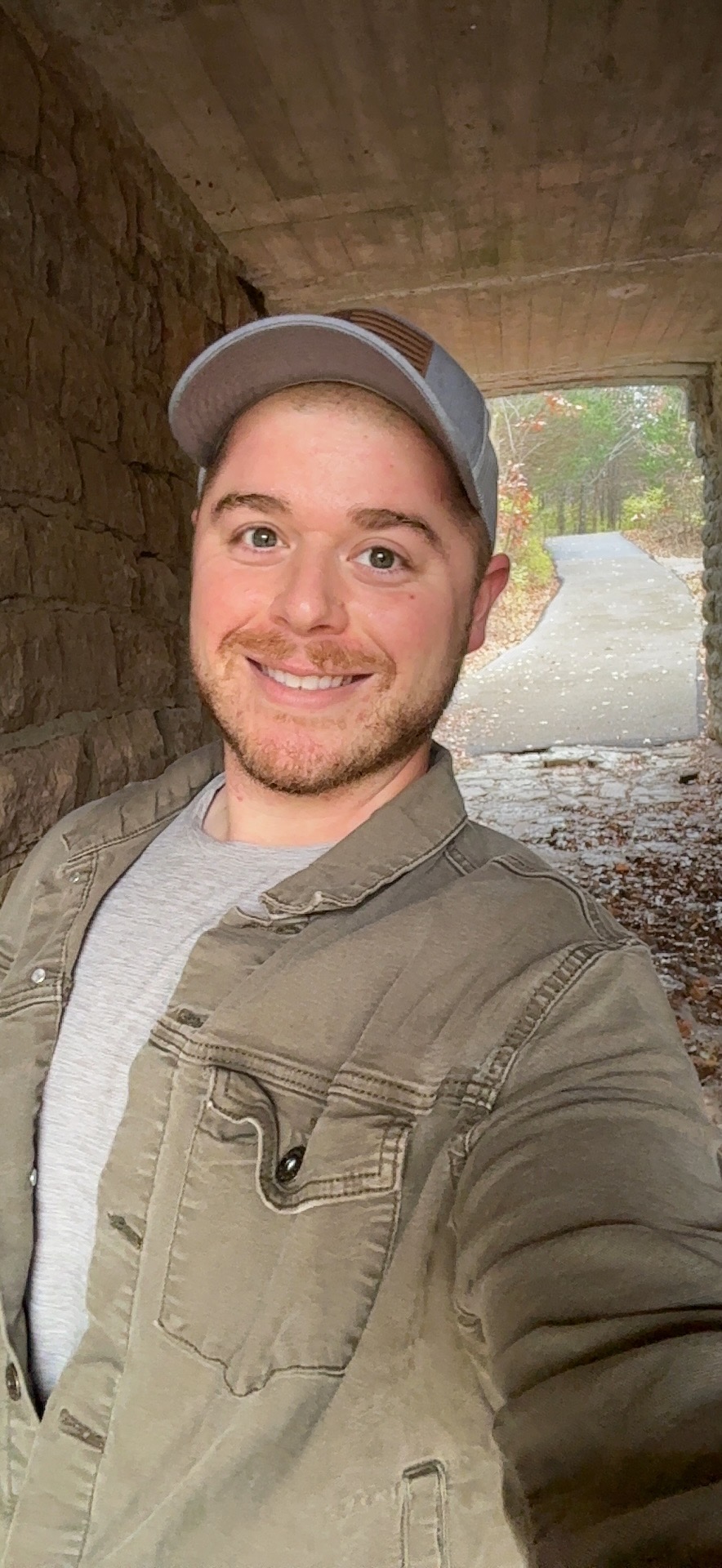
Gregory Favazza: Veteran, Host, Leadership Expert
Gregory Favazza is the host of Your Transformation Station, a podcast focused on clarity, discipline, and the psychological mechanics behind real change.
He holds a Master’s degree in Industrial Organizational Psychology and a Bachelor’s degree in Organizational Leadership. His academic training is paired with lived experience as a military veteran who has operated inside high pressure systems where performance, morale, and accountability are not theoretical concepts. They are survival skills.
Gregory approaches transformation clinically rather than motivationally. His conversations cut through surface level advice and expose the systems beneath behavior. Power dynamics. Incentives. Identity. Emotional regulation. Accountability. He challenges guests and listeners to stop reacting, start reading situations accurately, and lead themselves with precision.
His style is direct, controlled, and intentionally uncomfortable for anyone addicted to excuses or performance based confidence. Your Transformation Station attracts leaders, creators, and thinkers who value depth over hype and self control over noise. People who understand that change is not inspirational. It is operational. #podcasts #yourtransformationstation #leadership