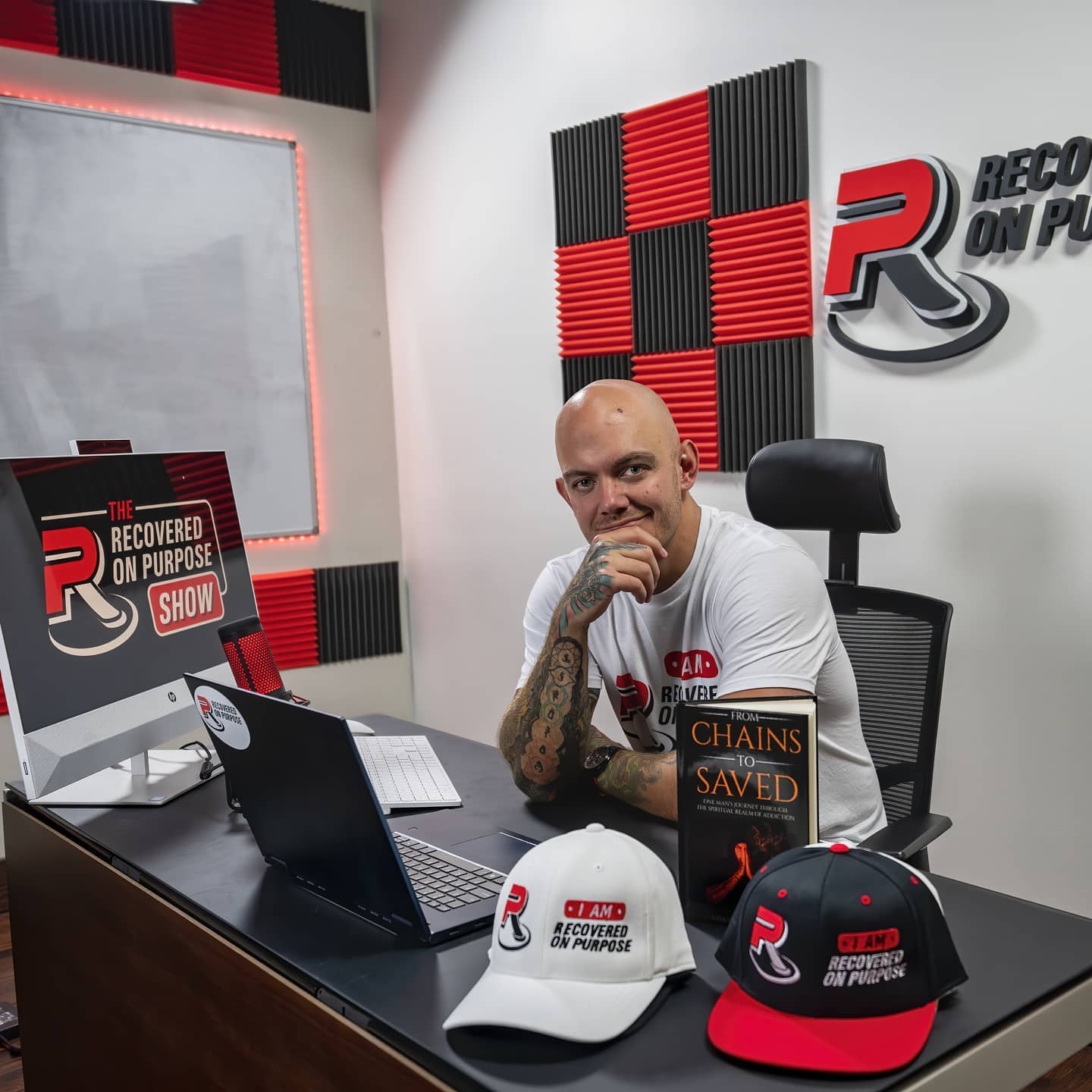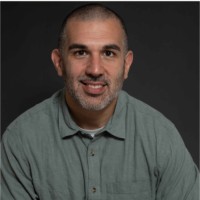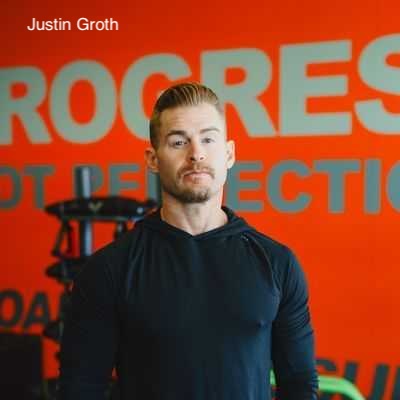


















































As a veteran who is seeking the truth, (Greg Favazza) "podcast" host and creator takes the opportunity to interview (Visalia, California CA) (Dr. Robert Alan Yoho), previously M.D. now removed from practice.
When Greg inquires deeper into the reviews plaguing his Yelp, as well as medical reputation sites, he evades the truth, and Greg is able to capture the drama and the deviance, on camera and audio as it's "livestreamed".
Listen and watch "HOW Dr. Yoho is getting away" it: exclusive episode on our "YouTube" channel by following the link: https://youtu.be/U9wgfhKx2IA
Support the show
PODCAST INFO:
Podcast website: https://ytspod.com
Apple Podcasts: https://ytspod.com/apple
Spotify: https://ytspod.com/spotify
RSS: https://ytspod.com/rss
YouTube: https://ytspod.com/youtube
SUPPORT & CONNECT:
- Check out the sponsors below, it's the best way to support this podcast
- Outgrow: https://www.ytspod.com/outgrow
- Quillbot Flow: https://ytspod.com/quilbot
- LearnWorlds: https://ytspod.com/learnworlds
- Facebook: https://ytspod.com/facebook
- Instagram: https://ytspod.com/instagram
- TikTok: https://ytspod.com/tiktok
- Twitter: https://ytspod.com/x
But the thing is like you broken the probation, you were, you had people's lives in your hands. Two people died. We don't understand why or what happened. And we feel like you were one of those doctors that were talking about are part of the corruption. Maybe you had a change of mind and you want to be better. But the first thing you need to do is you need to be vulnerable and be honest with everybody here. Now,
Robert Yoho:Greg, I don't think I'm willing to have this error. And if you air this. Um, I think that it's a, it's a poor reflection on you. It's live. We're ready. Yeah.
Intro/Outro:We're tapping in to surpassing expectations from the most successful people in the modern day and honing in on new foresight, methodologies and clairvoyance. You never knew this is Your Transformation Station with your host, Gregory Favazza.
Gregory Favazza:Robert yo-yo or are you, you're no longer a doctor. Are you, so how would I address you? How would you like to be addressed? Let's let's take that route.
Robert Yoho:Okay. So I got your question. The answer to that question is, is call me Dr. Yohan, and then I will correct you and say, You don't have to doctor me, I've signed out of the medical profession. Just call me Robert. So just go ahead and be respectful the first time you address me. And then I'll say you don't have to say that Greg I'm I've I've I've uh, you know, I'm, I'm no longer with the, uh, established thing. Just call me Robert. Okay.
Gregory Favazza:Sorry about that. I forgot. Yeah, no, no. Assign
Robert Yoho:you. I'm like, wait, wait. No, no, that's totally cool. Okay,
Gregory Favazza:Robert, give us, give us a little snapshot of your background and tell us what your messages towards the world.
Robert Yoho:I'm 67 years old. I've had, uh, a complete career in medicine, including. Initially becoming an emergency physician, then practicing in the emergency room, then transitioning into family practice. And finally, for the last bulk of my career, 30 plus years doing cosmetic surgery, uh, doing breast augmentation, liposuction, facelifts, and so on. My snapshot is that, um, over the last several years of my career, I had. Uh, a real awakening. And I started reading general medicine and I became concerned about what I eventually thought of as medical corruption. I had two patients die in my office within a six month period, and it was intensely disturbing and it rewrote my psychology and I was nearing a retirement anyway. So I started reading and writing and eventually put together these two books, which took four years. So. The medical practice is a mess. Everyone knows that everybody knows there's something wrong, but understanding just what's going on. The doctors don't even get it. Some of us it's like the old Indian story about trying to figure out what an elephant is. Some doc, some people might hold on to the elephants toenail, some might hold on the elephants, a nose or trunk, and they only perceive that part of it. For example, some general internists understand that cardiology. Has gone off the rails that angioplasty basically doesn't work very well if at all. And most of them have some clue that cardiac surgery for coronary artery disease doesn't work either. And I can describe those in detail later, or you can read my book. They're not the, maybe the easiest way to understand that where medicine has gone wrong. We all understand you want me to ramble on here? I'd rather know it.
Gregory Favazza:No worries. That's good. So you are a whistled.
Robert Yoho:I'm a whistleblower. I'm a healthcare whistleblower.
Gregory Favazza:Okay. So let's rewind a little bit. You had two patients die in your office. If you, can you share anything you can share? That's okay for the public and caused by what exactly?
Robert Yoho:Well, um, any cosmetic surgeon has generally has one fatality during their career. And I had to in a relatively short period of time, but one of them was, um, under the care or the operation of another surgeon. So I really wanted. Mine is one the circumstances of this case. Uh, I don't think it's going to be valuable to discuss in detail. You can point fingers or assign blame or, um, you know, assigned causes, but it's a, it's a bit technical for this discussion and suffice it to say that I did my best and the patients still had an unexpected fatality in cosmetic surgery. You're not supposed to have fatalities, you know, and nobody understands them. But when you operate on thousands of thousands of patients, there are some people who are due to die the next day, or they're very unhealthy or circumstances during the surgery. Um, cause of fatality. So it's just a statistical inevitability. If you, if you. 10,000 cosmetic cases. Like I have the fatality rate overall for cosmetic surgery for certain kinds of cosmetic surgery is as high as one and a couple thousand for Tommy tux. That's quite hazardous for liposuction. It's much lower. It might be one in 25,000. Um, but, uh, anyway, that's that's as long as,
Gregory Favazza:uh, a specialty, do you have to be certified to do liposuction?
Robert Yoho:Well, I passed the boards in cosmetic surgery. So I am, uh, heavily qualified based on my experience. And at the time I'd add these things, I was, um, I was at the end of my career and my experience is, was comprehensive and, and my knowledge base was comforted. So,
Gregory Favazza:but you did obtain a certification that says that you are allowed to do this, and you're not just a regular doctor. That's performing these, these, uh,
Robert Yoho:surgeries. Of course, I'd been involved in that specialty for three plus decades. And my certifications were, I've got a 20 page curriculum. Oh,
Gregory Favazza:uh, can you explain what that
Robert Yoho:means? That's a resume. Okay. I've got a 20 page resume. Anyway, go ahead. All right, so it's a little off topic.
Gregory Favazza:No, no, I just, I want to just paint the picture because I came across some articles online and I just want to. I understand because it says cosmetic surgeon license suspended after two patients died. So I can put that
Robert Yoho:on here. No, that's that's good. Um, yeah, the story is essentially that after there's any adverse consequence, these, um, medical boards, uh, they. They basically go after you and they are required after any bad consequence to, um, investigate. And so I underwent their investigation. I never did the, the, essentially the trial and I compromised for a probationary period and I resigned my license, um, within, um, You know, a couple of years of that occurring because I was due to, okay.
Gregory Favazza:So if you can just explain this cause I want to make sure that everything is clear and there's no misunderstanding when people look you up. So it's, if you can see that, okay. Make sure that's out of the way. All right. So this is an article right here that I came across in 2017. If you can just give me the understanding of what they're saying. About you and with your actions?
Robert Yoho:Well, I think we've, uh, gone into this enough. I don't think, uh, I don't think we have to, uh, go into it much more of the state medical boards are required to investigate. They're, um, they're pretty draconian about their, uh, investigations. I, my reputation is, uh, virtually Unsullied before this time period. And, uh, You know, and I eventually, I had checked out a medicine under this cloud of, uh, you know, this cloud of censure, but it's sort of an inevitable consequence of having a fatality in your office. And one of these wasn't mine, they were, it was another physician. No one could really understand why I was investigated for that one, but it was in my surgical center. Okay.
Gregory Favazza:All right. And,
Robert Yoho:um,
Gregory Favazza:Hm. I don't know where I'm going to take this, but let's, let's continue a little forward. And your message is to look at the corruption. Now, what exactly is corrupted in the medical field? Because that is a large dumpster worth of corruption. And I want to, I want to figure out exactly where are you, where are you focused on?
Robert Yoho:Well, other physicians and commentators have written about sectors of this thing. And like I say, they understand the elephants toenail or something, but I reviewed the whole thing and all of my work was entirely derivative, Greg. It wasn't anything I made up. So, uh, sort of starting at the top, uh, the insurance industry takes off 20%. Of the entire gross revenues of healthcare, which are approaching $4 trillion a year. It's 20, almost 20% of our gross domestic product. This is twice per capita or twice per person. What other developed countries spend on health care? They spend 10% and Singapore gets by with about 5% and they have excellent care. And the other part of the puzzle is. About 50% of what we're doing is, um, wrong. It's not, it doesn't work or is actually harmful to the patients. And that's well-known academically, too. That's not something you can quibble about. So we we've got this system that over treats and doesn't treat well and is twice as expensive as the rest of the world. Warren buffet called it the tape. Of the American economy, because we have to figure out something to do with this, or it's going to eat us all. The growth of healthcare is, um, something like 17% a year, far above the inflation great growth. So, um, this thing is a, it's a big problem. The corruption extends into. Big pharma, which has more criminal settlements than any industry in history, more criminal settlements by federal prosecutors. So they, those guys basically spend all this money, um, doing these studies that they essentially ruin, um, with fake statistics and they're allowed to continue. Half there, there, there are allowed to conceal their studies, which can make the ones that they don't conceal look pretty good. For example, the human papilloma virus vaccine. They concealed half the studies and vaccine, the vaccine was abandoned by Japan, which arguably has a as good, a public health system, as we do only 1% of Japanese take the HPV vaccine, but I'll bet you've had it within your age group. I'm sure you've had it. Um, and virtually all of us, all of our kids are forced to take this thing, which is not, uh, it, which has not been proven to affect you it to be effective. And if there's one thing I learned in the course of studying all this stuff, Um, it was that small numbers and big claims. Are something that you have to realize is probably just nonsense. And if you don't understand the reasoning, because it's too complicated, that likely means somebody is lying to you for a commercial purpose. So the new golden rule of course, is those with the gold, make the rules. And that's what we're seeing here, uh, with, uh, big pharma. I can go on about the individual specialties, corruptions, if you'd
Gregory Favazza:like, uh, no, not yet. Let's rewind a little bit. How did you uncover this information with the insurance and what they're.
Robert Yoho:Well, this is a freely available information and I went from one source to another and Googled around. And, uh, it's, it's not the narrative, the sort of propaganda narrative that we've been hearing. And as you may have sort of discovered a lot of the common narratives are commercial interests expressing, uh, attempts to make, to profit on whatever is going on. The FDA, there are many books about the FDA and how, how problematic it is. It's a $5 billion effort to control an industry that is something. I mean, it's, it's in the trillions and it's just, it's incapable of doing it. And in the early two thousands, a law was passed that says their funding. Would it be primarily from user fees, which are direct payments from the pharmaceutical companies to the FDA. So this turned many observers felt that this turned the FDA into believing these companies were clients rather than something to be regulated. So. You know, it's, it's a, it's a, it's a mess of economic interests. And if you have you read Cal Dini's influence book, that's an important night for your readers to look at, um, because that shows that any exchange of value poisons the, well, in other words, if you accept money or even a meal from someone, you cannot be objective about what they are. You get it. In other words, the pharma companies come into the doctor's office of service dinner, and they, they give us free samples and do all these things for us. And it basically destroys our ability to be objective and do what we're supposed to do, which is focus on patient outcomes and our, and do the best thing for our patients. One of the most egregious examples of this is oncology cancer therapy. Over half, perhaps 75% of these guys, incomes is from retailing chemotherapy drugs. Now, if you were a doctor and I was a doctor. I told you here's a product or a medication sell this. And you know, you can keep 25% or 20%. That's a federal crime called capping and we'd both go to jail if we were caught, but there was an exception for these pharmaceutical companies and they're allowed to, uh, to do this. And they've basically got. Uh, the oncologist or the cancer doctors completely bought out. It's not like they give them meals or anything like that. They, and the story gets worse. They are incentivized by the milligram. In other words, they're incentivize. Use larger doses because they get paid more for larger doses. Now, of course, doctors are trained in ethics and we're one of the most, highly skilled and best trained groups of large groups in America. But it's impossible to ignore influences like this. And for that reason and others, perhaps more importantly, Oncology is almost completely ineffective. There are about five or six entities or diseases that can be effectively treated testicular cancer, some lymphomas and leukemias and so on, but mostly. And maybe 95% of it, the only improvement with all that chemotherapy and all that toxic stuff is two months of improved survival. And this is a recently published information. This is not, that's not something that's controversial.
Gregory Favazza:So a lot of, lot of information to unpack there. One where you, one of those doctors that were influenced to prescribe different medications than you thought were necessary.
Robert Yoho:Great. I am like rip van Winkle. I was in a side Bywater of medicine. I was doing cosmetic surgery for the bulk of my career. Now we did have a few commercial interests. The, you know, we bought breast implants and we bought, uh, Botox and so on. And those companies are aggressive and they did our best, their best to buy our attention with all kinds of perks. But if we weren't in a field. Psychiatry, which is probably the most heavily influenced field or oncology, which to my view is set up in such a way. So that objectivity is impossible or orthopedics, which, you know, they have enormously close ties with the implant manufacturers. There's many ways money exchange hands there. I mean, so I woke up. Because of these events in my medical career. And I started looking around and I didn't like what I saw. And it took me at least two years to figure out in another year to write this book and get it down to the level where I thought everyone could understand it. But of course, you know, there's thousands of books published every day on Amazon and getting attention for this as is almost, it seems like almost impossible. I'm a. Yeah, obscure, I've sold less than a thousand car copies so far. Well,
Gregory Favazza:see, what I'm gathering is I feel like maybe you were one of those doctors that were influenced and that we're utilizing alternatives to gain for financial gain, but then you woke up and realize this it's the wrong path and that you want to do.
Robert Yoho:Greg. It is true that, uh, religious converts are sometimes the most avid uh proselytizers but, um, my, uh, I was in a cash pay business. That's right. And the biggest conflict of interest in medicine is, um, fee for service insurance reimbursement, which means that the doctor gets paid for doing something particularly the surgeons get paid. Um, operating. So there they have a conflict and they, which is a nice way to say it. Uh, and they are incentivized to do all kinds of things now in my field, um, it was entirely paid by the patients. So, um, you know, if I had any, uh, adverse incentives, it was to, um, Perhaps do more surgery then I, uh, and then was indicated, but it's an entirely cosmetic surgery is entirely voluntary and this isn't much of a problem. I mean, overselling perhaps is a problem in cosmetic surgery and the people with the slickest offices, the most advertising and so on, maybe they are overselling what they do and trying to get people to put in more breast implants than, than possible. Eh, the, the thing about, uh, cosmetic surgery is it's is, is entirely voluntary. And th the people, primarily women who are interested, they pretty much know what they want when they come in. And they, they, um, you know, so I don't, I don't think, I don't think that it was a big, it, cosmetic surgery is one of the smallest commercial commercially influenced, uh, areas in medicine.
Gregory Favazza:Okay. Can you walk me through the process on how people were. Because it's, I'm very unfamiliar, just unqualified to understand this, but for me and for everybody else, like what is the process for someone who wants to do cosmetic surgery and then how do you, and then what's your position and what you do and how do you ensure everything happens according to.
Robert Yoho:Well let's. Instead of that, let's talk about the conflicts in a more obvious field, like, um, cardiac surgery, right in cardiac surgery. These guys have patients who are preselected with, uh, chest pain or some other problem. And they have supposedly they have a. Bullet, which is coronary artery bypass grafting, but the statistics in their studies have shown that there are only one narrow subgroup of perhaps.
Gregory Favazza:So I, I came across this and I just wanted to make sure, please do not believe the bias. So I like, I don't know who would write this review, but I mean, is that normal? Is this like a normal thing that's been happening?
Robert Yoho:Well, I can't read the review, but you can see down below there's a five star review or a six star review. So, um, anyone that has an online presence has, uh, Adverse reviews. I mean, it doesn't, there was no doubt about that. And they also, um, have, uh, competitors, Dr.
Gregory Favazza:Hill never had my chart and no idea of how the surgery was performed until I corrected him. So I just want to understand if that's a normal thing that. Doctors are doing because right now, cause we were blowing the whistle on the health care industry. That's right. So how do we arm ourselves so we can survive what's happening right now because it's the most largest, most corrupt industry in America right
Robert Yoho:now. Yeah, I think the best there it look, it's a problem. And a. That review could have easily been written by a competitor. And that's, that's what they do. I mean, it's a sad deal. My reviews were almost universally positive during the time that I practiced,
Gregory Favazza:I have came across those, my like, yeah, I'm not here to bash.
Robert Yoho:Here's how it was to get to the truth. I understand. Here's how we protect us. This here's how we protect ourselves. Sure. Um, The economic interests involved in medicine are so unbelievably powerful. You know, the healthcare is the size of the federal government. Okay. So the federal government tax revenues are less than 4 trillion right now. The size of the federal government of course, is bigger than this. Is that a vapor? Is that a vape? Yes, that is a vape. I definitely. Okay. That's not good for you, dude. You might want to, you might want to consider reading about that, but I, I think that's about, you know, the, the bad thing in vapes is, um, nicotine and nicotine is primarily responsible. So if that one has nicotine. Oh, definitely. Oh, definitely. Okay. So what about,
Gregory Favazza:so it keeps you a Corona virus, so we avoid that.
Robert Yoho:Well, now your question is, do we avoid the coronavirus? Um, how do
Gregory Favazza:we avoid that? And also getting the shots like, is that, is that any helpful for us from not even not catching it?
Robert Yoho:Well, now here's how I, uh, I, I watched the whole thing developed just like you did. And I was seeing it through my lens of, um, my medical corruption background and I. Knew that the only robust measure of the coronavirus disease was fatalities. Right. All these other, yeah. From the start, I knew that and I followed the fatalities carefully on various websites and I saw them go up and then I saw them start to go down and then, then I saw the figures disappear. So I, I quickly understood that the narratives on the Corona virus were incorrect. I also understood. Big pharma who had produced the vaccines were liars. And they had undergoing all these criminal allegations that they've settled, you know, billions of dollars every single year, Greg. And so I had my doubts from the start and I, the last thing I understood was I understood that the vaccines they had produced over the last 20 years. We're completely ineffective. In other words, the flu vaccine, you can read about that on Cochrane reviews.com and that's the most respected source in medicine. The flu vaccine does not decrease the chance of pneumonia or all the other stuff that they purport it to do. You know, which the flu is not a very consequential disease, but it doesn't help the chances of pneumonia. They've got this other thing called Tamiflu, which doesn't work either. And that's all been refuted. And I mentioned already the HPV vaccine, which was the other vaccine that they came up with in the last 20 years. And this doesn't work. At least Japan doesn't think it works at all because they, they recognize that we threw out the companies throughout half the studies. And because of that, they, they through. The vaccine from Japan, but it's still being given here. So I knew that big pharma was a real problem and I had heavy doubts about a vaccine. And then when I read this ID, That it was 95% efficacious. I just laughed because, and of course now we're realizing that that was a complete lie. That it's not very efficacious. It's not really a vaccine. It doesn't prevent subsequent cases. 70% of the new cases are in previously vaccinated people. And it does not confer immunity while the getting the disease completely confers immunity. The last part of the puzzle, which is the most sickening thing to me. Is, we have two robust treatments for COVID right. We've got ivermectin and hydroxy chloroquine, both of which are drugs, which are off-patent, they're cheap and they're not toxic at all. We give, we give Plaquinel, which is hydroxy chloroquine to arthritic patients every day for years. But these things are being covered up. They're being censored by big tech and it's an unbelievable scene. The other thing that helps. In all likelihood is taking vitamin D and C vitamin D. We have these enormous studies from Scandinavia 250,000 patients. And the ones with higher D levels have much fewer serious health consequences. They're in better shape. Now this does not prove that giving D prevents COVID right, but it's very suggestive and D is cheap. Everyone should take that. Hmm.
Gregory Favazza:Okay. So Lysol.
Robert Yoho:Well, I don't ha I don't want to specifically address Lysol. I'm not familiar with, you know, I, I, the, the thing about the masks and the social distancing, there are the, remember my rule of thumb. Okay. There are various studies and are contradictory. I think the bulk of the evidence, uh, refute the idea that either one of those does anything, but in a situation where there was controversy. You have to look at where the money is coming from and where there's heavy controversy, you have to discount the whole thing and realize that what it's probably saying is it doesn't work at all. If there's huge controversy in small numbers, if especially if they claim that a small statistical percentage is the conclusion of the study, that is quote statistically significant at whatever level, that means there are a large number of people studied and it doesn't work very well.
Gregory Favazza:So there is a dark side to the medical images.
Robert Yoho:Well, I mean, what I say is you, you started to quote my, uh, my introduction. I thought that I was opening a can of worms, but what I found was a dumpster full of worms. And, uh, you know, I've gone into a couple of the specialties. I mean, the, the psychiatry is particularly egregious, um, because they, they, uh, certain commentators have said that. The amount of money per, per person, they get from big pharma is higher than any other field. The other thing that's true about psychiatry has a large group of people who actually deny their utility altogether. And I'm not just talking about Scientology. There's a large group of psychologists and other commentators and researchers who think that their, their whole thing with those medications doesn't work. And basically what has happened with them is they did studies that didn't include, include good controlled groups. A control group is necessary to understand whether something. They're what's called observational studies and they essentially soap bubbles. So they do everything based on their judgment and they use highly toxic and addictive medications. One class of which called the atypical anti-psychotics decreases lifespan by 10 to 20 years. It's an unbelievable scene. And those are promiscuously used, especially in the U S military, which you have some experience with. Not the drugs, but the military, you had friends that were taking a whole grab bag of medications that were given by the damn psychiatrist and these things. They don't go away when you leave the military, you're addicted to the darn things and it is very hard to get off of them. It takes, you have to actually cut the drugs up and do tapering doses over many months and realize that you're going to get anxiety and depression during the period that you're withdrawing from the drug. I mean, it's, it's a, it's a terrible, terrible problem. We have we just one more thing about psychiatry. Sure. Um, since they didn't have adequate control groups, the control or the placebo groups, we don't have any studies from America that showed the drugs work. The only control studies we have is from the third world in the third world, they can't afford the drugs. And so their outcomes are better than ours. Isn't that crazy in the psych diseases go up. And then they go down, right? They wax and wane over the person's lifetime and they become chronic. When you give them the drugs. And our social security disability had went up in tandem with the drug use, which is suggestive, that it was caused by. The drug use is very suggestive. We've got 17% of the entire populace. On anti anti sight drugs. Right. We've got 50 to 70% of the entire populous on prescriptions. It's insane. So
Gregory Favazza:now I'm curious, like where is the money coming from since we with COVID everything that's being pushed out. Where's the money
Robert Yoho:coming from? Good question. Okay. So we historically have showered money out of the sky. The medical industry. And so what happened? In other words, we gave it to them using, um, third-party administrators or insurance company, administrators. Now, insurance, as I said, is a layer that sits on top our entire system and consumes about 20% conservatively of the entire 3.8 or $4 trillion gross. It's an incredible, incredible mistake. And so we through these third party, they're calling third party administrators. Medicare and these insurance companies, the money has just been flowed freely into healthcare. And it's gone into these pharma companies. Now, big pharma is a $1.3 trillion worldwide operation. 50% of the profits, 40 to 50% of the profits are us alone, which is only 5% of the, um, population of the. I mean, it's, it's, it's a wild scene. So the money is coming from our federal government and our insurance. And if you make $40,000. You're paying about 10% or eight to$10,000 in healthcare expenses, whether you know it or not, uh, whether it comes out of the company or it comes out of your pocket, it's an incredible thing. I mean, you can barely make ends meet on your 40,000 a year after taxes. And one quarter of that is, is healthcare expenses.
Gregory Favazza:So it's interesting information. Are you familiar with, um, the company called QTC?
Robert Yoho:I don't know anything about them, not
Gregory Favazza:okay. And cause I was just, I was looking at it and I just noticed a correlation within, uh, like with the stock market that crashed back in 2000 back in 2008. And then all of a sudden there's a correlation with, uh, veterans through their pension. They get switched over to QTC to try to, from my understanding to eliminate. Or to downsize that was happened. And then again recently, and I'm, I'm looking at it as an, okay, so that's 2008. Now I see a connection again with the COVID that they're now looking at veterans. So I feel like that's one place to my understanding that they're getting money to. Start to help pay what's what's going on.
Robert Yoho:W well, it appear, appears apparent to me that there are heavy connections between the tech companies and pharma. And I mean, obviously these tech tech companies are enormously wealthy, but pharma, I mean their profit margin is there. Here's one quick, uh, factoid healthcare lobbying is bigger in, I don't think I mentioned this before, but it's bigger. It's bigger than oil, natural gas banking. And what's the other one all combined. I mean, there's so wealthy. Pfizer has 40 to 50% profit margins, which is insane. I mean the, an average competitive industry has 10% profit margins. So there, the money is raining out of the sky on these, these corporations, and they are spinning freely to influence anyone they can to produce bigger profits. Emphasis is to their shareholders and not, uh, to patients and the doctors hold on. Many of us are very idealistic and I, I don't want to, you know, we got off track a little bit, but I don't want to claim that all a medicine is useless. There are many, many miracles to be found. There are many caring doctors and I've got examples of that.
Gregory Favazza:No, that's, that's really interesting. And there's right now, I want to cover as far as, uh, how do we like, like, what are some red flags patients should be aware of when choosing the procedures and medical trials?
Robert Yoho:Good question. Okay. So first of all, if you're young and you don't have many problems, many times your best choice is to ignore, ignore things unless they're, um, because a lot of what the doctors do is look, look for billing codes and they may. Introduce a cascade of medical services that is expensive and somewhat hazardous, and may even produce fatalities. The screening procedures like mammograms and screening, even screening for blood cholesterol. They just don't work very well. And they introduce a lot of medical care that isn't, isn't so good. So if you're young, the rule of thumb is try to stay away, get the cheapest health insurance you can. If you're older, the problems become more complicated. And there are times, many times when the doctors can do an awful lot of good. If you need surgery, if you're in pain, if you're symptomatic, somehow you got to see that guy. They're very difficult to judge. And if you have a healthcare background, you have a better chance. If you have a friend with a healthcare background to represent you, if you have one of these complicated problems, um, you can get a better idea. You want to do your own reading, but the other great thing now is since COVID, we have the ability to go virtually in consult with anyone we want, you can go to Stanford or Harvard or wherever and consult with the best doctors in the country. And believe you me, those guys are smarter than the average. They they're so competitive there that there it's like a hundred times more competitive to get into Stanford than it is to get into UCLA. I mean, it's insane. And there they not only have good. Intellectual skills. They have good patient skills and good interpersonal personal skills. So you'll, you'll find very, they're not all perfect, but you'll find sharp people there ever since. Um, uh, Trump made his executive order that allowed, uh, Uh, allowed the, a virtual consultation for all medicine and, and even initial visits, uh, which I don't think that's been reversed. Um, it's been possible to go anywhere and see anyone for a few hundred dollars. It's not even that expensive. So if you have a bad problem is not being resolved by your local guys. Now, everybody in America has the tools to do any kind of medicine. So if you're supervised by a doctor from. Uh, Mayo, right? You can have that doctor, email your doctor and tell him what to do, and if they don't do it, they're violating a reasonable standard, which is established by the big centers. So that's the answer to your question. You have to be a bit of a detective and you have to be aggressive and you have to do a lot of reading yourself. If you're.
Gregory Favazza:So how would like, what is some recommended sources people can go to, to learn more about like what's what's happening and how can they get a good quality doctor? How can they make sure they're not getting screwed?
Robert Yoho:Okay. Now I'm going to do the pitch here. Sure. 500 references. Butchered by healthcare and it's, I mean, I've written it and rewritten it. So it's easy to understand and you can get that on Amazon or wherever books are sold. I've got it on multiple platforms. So that's the firsthand, the first blues clue I would go there and read the summaries and then you can delve into the references. It's easier to click through. Using the eBooks. Right. Which I just got, I just have them all in his lengths. Uh, and it's easy. So, but I'm sure that, uh, the great thing now is the patient blogs. You can go on these. If you've got cancer or something else, you can get the truth from the patient blogs. Now it's not all truth. But you can, you, you can do a great deal of research without reading the, the medical primary medical literature. And these blogs will, will. I mean, they've got five hour, um, uh, training systems and, you know, you go on, it's all free. And of course it's all sponsored by big pharma, but that doesn't mean you can't learn something. And so, uh, I, I think that's tremendously. For whatever disease you have, you can go on and you can read about it and that you can talk to real patients. See what's worked for them now. I want to make one last pitch for ignoring or downgrading, a randomized control studies. Clinical experience means a great deal. And if you have someone who's had a lot of experience in your field. And there are good doctors who care about you. They may go off the rails and not recommend some toxic chemotherapy or something else. They may, they may go a different route and you got to listen to them, but you have to make your own decisions and ultimately take responsibility yourself. But then how do we help the nurse or someone? What, how do we
Gregory Favazza:decide if that's that's the case? And they're not trying to recommend me to take something else because they're getting, because the doctors themselves are being presented. For financial gain
Robert Yoho:persuasion by financial gain. That's a good way to put it. Uh, Greg it's, it's not that they're evil or not, that they're necessarily criminals or anything like that. It's just that the insidious nature of financial incentives. Everywhere in medicine now. So trying to sort this out is different. For every case, you need to do your research, go to many sources and try not to be too big, a pain in the ass with your doctor. You have to, you need to pursue respectful relationships. Even if you disagree with them or you lose respect for them, do not be rude or nasty or pushy. You know, this is not. This is not a video with a police officer, trying to entice, antagonize them into doing something wrong. You're trying to produce a good health effects for you. And everyone has something to offer and doctors for all their flaws have enormous experience. We're we're given so much responsibility and most of us are trying as hard as we can to, to, uh, fulfill it. So do
Gregory Favazza:you have any recommendations towards natural pathic?
Robert Yoho:Okay. So Greg, the thing I would say is what, um, Goldacre said in his book, bed, pharma, this is a quote. And he said, um, just because there were problems with aircraft design doesn't mean that magic carpets fly. Right? So I think the major, uh, strength of natural paths is they have the capacity sometimes to keep people away from the most. Traditional therapies. And I was critical for most of my career of natural paths and nutritionists, but now I have seen how bad ordinary medicine is, how difficult it is to sort out what works and what doesn't. And I'm much less critical of natural paths. And I also acknowledge that there are many treatments that are. Ordinary mainstream that actually do work. And they're, I mean, they're being run down because they're not profitable. They're not, you cannot patent bio-identical hormones for example. And so those things have all been running. Uh, by a variety of sources because they're not profitable. I mean, they're only profitable for, um, compounding drug stores and it's hard for physicians to even make, make a profit. Why was it's
Gregory Favazza:difficult for, uh, like doctors, including yourself to see that there are benefits in natural pathic Kayleen
Robert Yoho:Y you know, um, Greg, the, the thing about being a doctor is it's incredibly concise. And, uh, you know, at this point, these guys are just. They have one nostril above the water and they, they barely can make ends meet and keep up with what they're supposed to be doing. I don't know whether you're aware of this, but the requirements for the documentation now occupied twenty-five to 50%. It's probably closer to 50% of a doctor's time. In other words, clicking on the computer. In order to get paid, they go, they all go home and they screw around with that stuff for hours on end. Now, maybe in HMO systems, like Kaiser is not so bad, but for the vast majority of doctors who are operating under the current system, they, they are, they are literally spending nearly 50% of their time messing around with the documentation systems or they don't get. So, um, it's, it's not easy for these guys. They are well-trained, it is the most for a large group and there's a million of us in America or something like that for a large group. It's the best train, most idealistic and smartest group we have. I mean, there are smaller, smaller groups that are, that are more elite, but for a group this large, it's a, it's a very, very impressive bunch of people. Wow, they're trying their best, but it's, it's, it's not easy for them. Th th the obstacles thrown in their way. I mean, if you work for an HMO, for example, and you don't prescribe enough statin, drugs, statin drugs are a cholesterol drug, right. You don't have a large enough percentage of your patients on Stanton drugs sometimes, yet. Councilor even fired. Now, these drugs are not very effective. They're, they're like a $60 billion a year industry in the United States, but they're only less than 5% of the people that are on them really should be taking them because they are, uh, somewhat harmful and they don't freaking work for anybody except for the people after a heart attack or with exceedingly high cholesterol. So
Gregory Favazza:with your experience, like what allowed you to arrive to your life philosophy and how did you arrive at that?
Robert Yoho:Well, life philosophy is another, another whole issue. But, um, I, as I said, I kind of got slapped in the head by these shocking events and I was nearing retirement already. So I decided to start reading. I looked at one warm at a time and I couldn't believe it. I finally got around a psychiatry. I had prescribed the SSRI class, antidepressants like Prozac for my whole career thinking they were efficacious. Well, I found out that they cause a lot of violence, suicide. They probably are responsible for a lot of these killings. And I mean, they're phenomenally addictive. You cannot get off the damn things once you you've taken them for five or 10 years. It's very hard. Um, so. And there, you know, so I went from one thing to the other and then I eventually decided to, um, you know, to write a book about it. And here I am.
Gregory Favazza:Well, let's wrap this up. I got one more question. Uh, question here, if you can explain the Mars on your record and response to the medical licensing and probation.
Robert Yoho:Well, I think instead of that, I think we've already discussed that. But I think instead of that, I just want to finish with one thing. And that is, don't think that medicine is all bad. 50% of it works and there are miracles to be held.
Gregory Favazza:Okay. Because yeah, I just wanted to understand, because
Robert Yoho:it looked like this is routine for anyone who's had a fatality.
Gregory Favazza:Okay. But from what I've gathered, it looks like. Broke your probation, from what I'm
Robert Yoho:understanding? I didn't break my probation. I retired, I fulfilled all the probationary requirements.
Gregory Favazza:Okay. Cause it's those two disciplinary actions that are found of violated terms of probation for 12 1 20. And then there's gross negligence, 11 3 20 17.
Robert Yoho:I, I don't know anything about that. I, it sounds like allegations, but I, oh, it's
Gregory Favazza:right here in front of us. I'm sharing it. This is, uh, the 20, oh, this is 12 1 20. And this is the entire thing right here.
Robert Yoho:Well, that, those were the original, um, accusations, as I understand. No, because these are just a legal process. Yeah. There's definitely, I'm not sure this is not true. That you've decided to almost convert this into a hit piece because that is not my primary focus.
Gregory Favazza:What primary focus is, is to make sure everybody gets the full scoop on everything. And if we're going to. Advice from somebody. We want to make sure that they are actually a good person. And to me, I'm just coming across the reviews. Like you have great reviews, but then I'm seeing all this information. I mean, exactly. If you can explain to me, like, what happened, why did you violate it? What were you doing? What was your last medical procedure?
Robert Yoho:Well, again, I'm not sure what you're referring to and I don't think this is like your probation's with your
Gregory Favazza:probation. That's your credibility. Is that the way, or were you forced to retire?
Robert Yoho:I decided to retire. It was time, you know, the average physician retires at 65,
Gregory Favazza:your probation. Why did you break it,
Robert Yoho:Greg? I don't think I'm willing to have this error. And if you air this. Um, I think that it's a, it's a poor reflection on you. It's
Gregory Favazza:live. We're ready. Yeah.
Robert Yoho:It's almost like you're trying to get me to terminate the interview. I mean, it's it? This is since this is live. I mean, I can say whatever I want. I, I think that you're, I think that you were influenced by my review of your book, which was not favorable. Okay. And, and then you, you emailed me back and you said that you weren't even going to interview me and then you changed your mind and interviewed me. So I think there's like a revenge piece.
Gregory Favazza:No, not at all. I don't remember you
Robert Yoho:even feeling. My feeling after reviewing the book was that it was riddled with usage errors. And that could be,
Gregory Favazza:I don't really care. I just wrote it just because I wanted to do it for myself. That was for me, that's fine. So you can say whatever you want, that doesn't bother me. Right. But the thing is like you broke probation. You were, you had people's lives in your hands. Two people died. We don't understand why or what. And, and we feel like you are one of those doctors that we're talking about are part of the corruption. Maybe you had a change in mind and you want to be better, but the first thing you need to do is you need to be vulnerable and be honest with everybody here now.
Robert Yoho:Well, I think that someone's credibility is more based on references. Then it's based on character.
Gregory Favazza:You're not even
Robert Yoho:answering my question, judge me, you can judge me based on what you find in my book. I'm the judge of
Gregory Favazza:what I found online.
Robert Yoho:I think you're judging me based on my review of your book.
Gregory Favazza:I don't really care what you left. What I see is these legal probation.
Robert Yoho:You very offended when you text me back, I
Gregory Favazza:text, oh, so now you're, now you're going to play this. You're going to make up this story. Show proof to everybody. Show proof that happened. Look,
Robert Yoho:I haven't accused you of lying. You just accused me of lying here. I don't think that that's cool to do in this interview format. So all my. And, uh, go ahead and air it just as it is. It's a righty being aired as we speak. Good, good work.
Intro/Outro:You've been listening to your transformation station, rediscovering your true identity and purpose on this planet. We hope you enjoyed the show and we hope you've gotten some useful and practical information. In the meantime, connect with us on Facebook and Instagram @followfavazza we'll be back soon until then. This is your transformation station signing off.