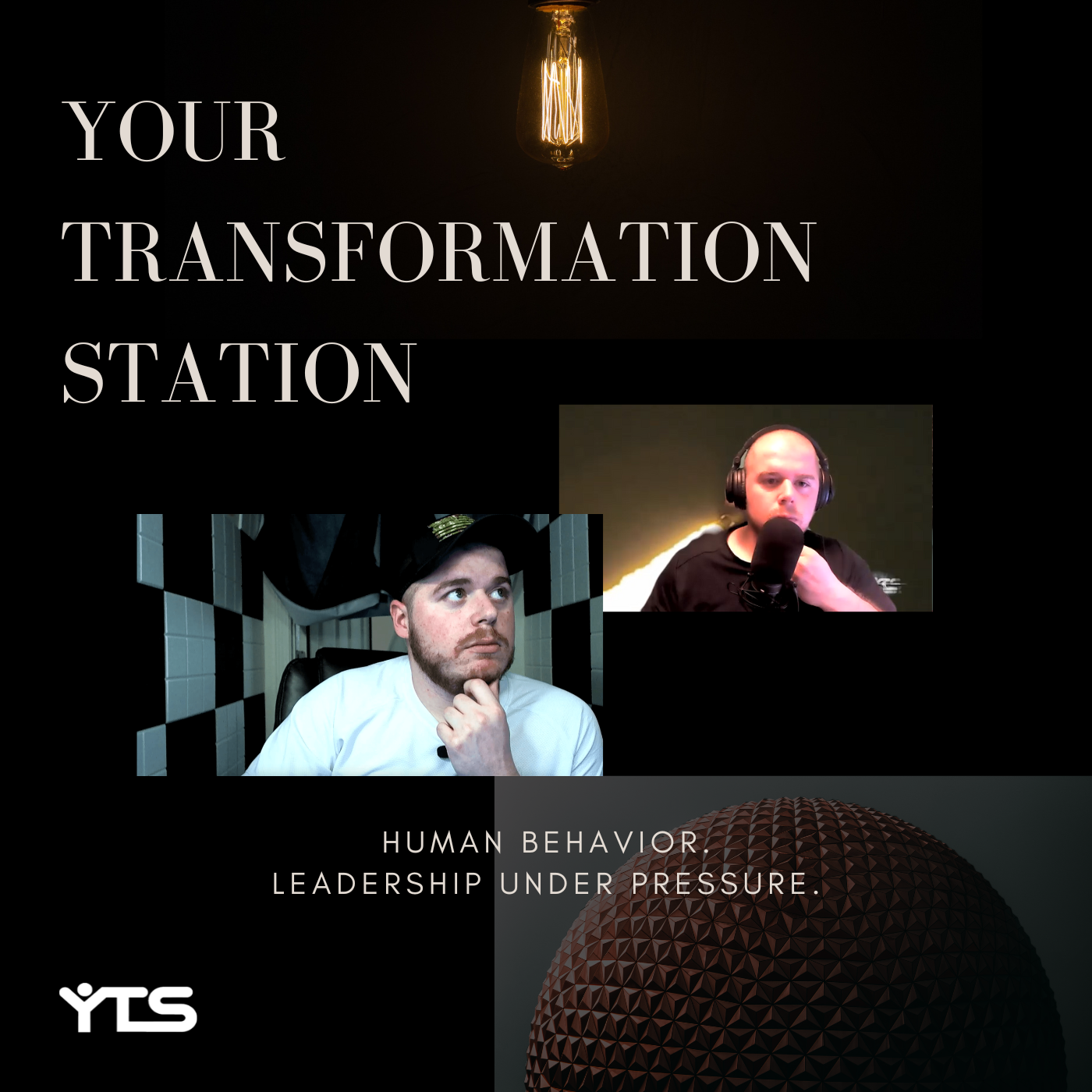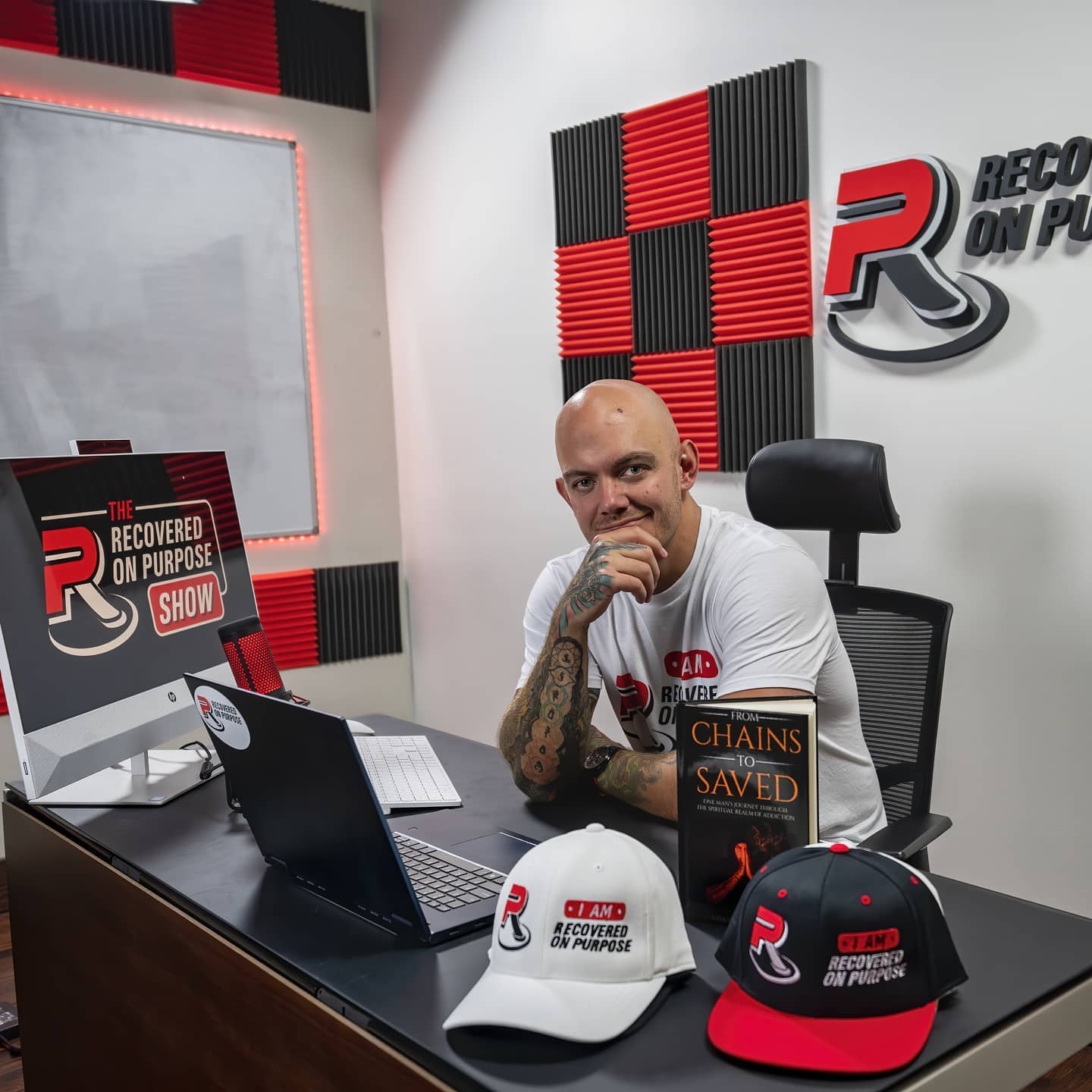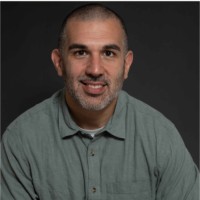


















































Join Greg Favazza and author Gary Wrenn, as they discuss more than just his metamorphosis and the methods of storywriting.
PODCAST INFO:
Podcast website: https://ytspod.buzzsprout.com
Apple Podcasts: https://apple.co/3Rr4bVm
Spotify: https://open.spotify.com/show/2mqAuY1Rn7JEtovDLL6ukM
RSS: https://feeds.buzzsprout.com/2242998.rss
YouTube: https://www.youtube.com/@YTSpod
SUPPORT & CONNECT:
- Check out the sponsors below, it's the best way to support this podcast
- Outgrow: https://share.outgrow.biz/YTSpod
- Quillbot Flow: https://try.quillbot.com/YTSpod
- LearnWorlds: https://get.learnworlds.com/YTSpod
- Facebook: https://www.facebook.com/ytsthepodcast/
- Instagram: https://www.instagram.com/ytsthepodcast/
- TikTok: https://www.tiktok.com/@YTSthePodcast
- Twitter: https://twitter.com/YTSthePodcast
Welcome to your transformation station. Socrates once wrote the secret of change is to focus all of your energy, not on fighting the old, but on building the new it's time to rediscover your true identity and purpose on this planet. We can transform our community. One topic at a time from groundbreaking performers, making their elixir, your dose of reality, your transformation arc. This is your transformation station, and this is your host Greg Favazza. My mom told me a long time ago, she said there's only two things. And I took it for granted when I was younger. And cause you know, when I was growing up, it was all about working and, and getting girls and partying my ass off. And she always said, you know, no matter what you do find someone to love and live, these stayed like it's your last, I don't know. That sounds like country lyrics or something, but it going back to that, I mean, one thing I've learned after all this, the writing and the traveling and living in different cities. You can love what you do and love yourself. So I always tell people if you don't love it, no matter what it is, a material good, a person or some aspect about you. If you don't love it, get rid of it. It's that simple. Even if you start this writing journey, you know, it's, it's difficult. Like I said, people don't realize how much time and effort it takes at that writing is only 10% of the actual journey of getting a book out if even 10%. Um, if you don't love it, you know, get rid of it. There was something else out there that will make you have.
Gregory Favazza:That was today's guest. Welcome back. This is your transformation podcast and I am your host. Greg Favazza. Today is episode five. This episode covers a rollercoaster of emotions as Gary and I talk about not only his transformation process, but also his transformation in his writing process. And the inspiration behind the cover. What happens after the publishing phase? I just would like to say thank you for joining me again this week. If you have any feedback, share note in the comment section below, please leave an honest review for your transformation. Podcast. Ratings and reviews are extremely helpful and kindly appreciated. If you are new to the show, hit the subscribe button, your transformation podcast. those to join our community. And as a commune, we can take the first step together, down the path of uncertainty. Our show strives to make an impact and our success through reliable broadcast content. And when he sources as a community, we will continue to transform into our desired cells right here with me. Your host, Greg, Favazza on your transformation podcast. Now let's get to the show. Well, Gary, I really appreciate you coming on to your transformation podcast. How are you doing today?
Gary Wrenn:I'm great, man. Thanks for having me.
Gregory Favazza:Yeah, let's jump right into this and talk about how you became who you are today.
Gary Wrenn:All right. I'm from San Antonio, Texas. And, uh, I guess my whole life, my mom said, uh, when I, when she, when I was first asked as a kid, like, what do you want to be? And everyone around him was firefighter and astronaut and all those, you know, cliche answers. I said, I just want to make movies. So I was always prone to storytelling in general, as a kid, I used to make up crazy stories. I used to write them out like storyboards as early as. And I think, uh, even having kids, um, watching the way that they tell stories, I thought it was kind of interesting that I was basically making like little comic books already from the start. Okay. Growing up the, I was always more in tune with writing papers for English that I was, you know, math and world history and all that stuff. It wasn't. So I have like a practical use to write something or it's all starting to come together, but it was actually. I was a waiter and a bartender for several years. And they noticed this, uh, that my tip percentage was the highest of my restaurants. So we've got kind of a small company. It was only six restaurants. So we have this very family feel. We all knew the CEO, like a, a father figure. And he said, Hey, you should have. Teeth. How, how are you making such good tips? I had, I had a couple tips and everything. I wrote 20 tips for tips. That's what he wanted me to do. And he wanted me to go to each store and kind of do a presentation at that meeting for that store. But before you knew it, I had 99 tips and I thought, you know what? I've always been a list-maker I've always been a storyboarder. I've done all these things. Let me, let me just write this book and try it out. And 99 tips for how to make more money in the restaurant industry. Uh, and that's kind of spiraled into a whole book career. That's
Gregory Favazza:really interesting. Did you always want it to write a book in the beginning?
Gary Wrenn:Yeah. Yeah. Uh, I think growing up, I read a lot of, uh, I think RL Stein was probably before I could understand the big leagues, you know, like Stephen King and. Michael Creighton. And those are a little heavy for even middle schoolers. I would say the whole non-fiction thing that came later. So I was wanting to be a storyteller. I was always prone to horror, obviously, because I read a lot of RL Stine. Even before you get goosebumps, I'm 39 years old. Before that he did a lot of, uh, like murder mysteries, I guess you could call. And, you know, I read so many of them. I knew that the killer was by the second chapter. You know what I mean? But I still went along. There were great. I think he still to this day is the biggest, he's written more books than anyone ever. If we can
Gregory Favazza:just take, you can step back and just introduce, you've written more than one book. If you would like to share that with.
Gary Wrenn:Absolutely. So the first one I was writing, I used to work at Disney and, uh, I had a lot of experience. I went on the college program. The way I found out about the college program was an article of in radar magazine, which was kind of like an offshoot of Maxim. And they said that. For college students, this was this hedonistic society that you could go to. And, um, even though you're working in a theme park, you get college credit and it's, it was the second easiest place, like biggest place to party and get laid and all this stuff. So of course, I got to go to that. My two favorite things, horror and my experiences with Disney and I'm huge into theme parks and Disney and all that. So I was writing this book and it was called tales from the Parkside. I was kind of doing a play on tales from the dark side. I started writing this book in 2005, which was right when I left it. Disney life happened. I was always working. I went to film school. Um, I got married to, uh, the wrong person. Okay. Trial run. So that book got published in 2015. Okay. It took me 10 years to write this thing. I was going to go into this later. I was also battling with alcoholism and a few things like that. That first book took forever. Uh I've since become sober and now I've published one book. And this year, I've got three coming
Gregory Favazza:out. Some point I wanted to get some advice, writing advice for our listeners who are
Gary Wrenn:writers. Yeah, absolutely. So the tales from the Parkside was the first one. I started writing the fiction and then, you know, I, how I learned how to self published and everything I, I learned from silver authors and podcasts, which I'll mention some of those later, you hear this a lot. People start to become fiction writers, and then it's a very organic. Uh, not just the way your books flow out of you, but finding out what you're actually good at writing. So now I've found that basically a non-fiction writer. And if you had told my younger self that it would have screamed and ran out of the room, throw my GI Joes at you or something. But, uh, so it's kind of a mix. So tails from the Parkside came out, got horrible reviews. Um, I felt like 10 years was enough. I needed to get this book out now. So I kind of rushed, it did a book signing. A lot of people showed up. We had a live band sort of bunch of paperbacks on the first day later, I'm going to talk about everything I learned from writing that first book and starting to criticism is a must. I've learned. Several things from that writing process. So then the next one that came out was the 99 tips for, uh, how to make more money in a restaurant. And that did very well. And, uh, I think my CEO, he actually ended up buying a copy for everybody in the company. Um, so that started selling, um, it actually got me the job that I have now, I'm a flight attendant. It's my dream job. I walked into that interview. I said, I wrote the book on customer service. They said, what did you mean? I gave it to them. They loved it. They hired me. That's the reason they were me. Um, when I graduated from flight training and they said that was the reason. So I thought back, know what I am a list writer. What else do I know about? So I wanted to start a series that was kind of like 99 tips about whatever I know about. So the next one that came out was 99 tips for Disney world based on the working there and going there with my family. That one did pretty well. Um, that one's a little tough because you have to update it constantly. So for me, uh, that one, wasn't one. I wanted to put all my creative efforts into. Um, I took the negative reviews from tales, from the Parkside. And what I wanted to do with that book was create a book series, kind of like w because of my love of Stephen King, where it was his whole universe, and the book even started off with all these things. You wanted to sit in the maps and the lingo and, and all this. But I found out that, um, nowadays. However much is out there. Uh, people don't really like books that take a month to read anymore. I mean, it's, it's the same thing you're sitting down, you know, we spend more time going through and making our cues on Netflix. There's looking at you spend more hours doing that than actually watching anything. Yeah. So the attention span is, I mean, everyone pretty much knows this already, so whatever. Learn from that experience was, I said, I kind of sarcastically re wrote a book. I had this idea about Cuban being evil and creating a dating app where he could capture people's souls and have them kind of duke it out for love. And, uh, I wrote an 18 day. Compared to 10 years on my first book, doing everything that people said was wrong with that first book. So it was kind of like a sarcastic book and that turned out to be what people wanted. It's short. You could read it in two hours, it's technically a novella. Um, it was kind of a combination of all these other things that I loved and I kind of pieced together from other stories. It became. It's own thing. So this is how it was an organic process and people love that book. God helped me. I hope that's not the book I remembered if I died today. Um, Hey Gary, hang on a
Gregory Favazza:second. Did you find it difficult to write about characters that are the opposite sex?
Gary Wrenn:Oh yeah. Even a non-fiction. Um, I take. Multiple people and kind of combine them. It's kind of the same way you would write a character in a movie, even though it's based on one person, even if it's not, I kind of combined them with all these characteristics of other people to kind of make a more unique person. I don't know how else to say it, but it seems like opposite sex is always hard because just in my experience, family, friends, by wife, they read it and they're always picturing a specific person that it reminds them of. It is just something to keep in mind as you. The opposite sex, but I do read, um, other books from other authors about how to write stuff like that in between every book, I try to harness another part of my craft. So there is a book on how to deal, how to write better dialogue. Um, my next
Gregory Favazza:question for you is you got the negative and positive reviews from your first book. How did you deal with those?
Gary Wrenn:All right. So I do read all my reviews. Um, some people you get. You get a lot of different people who say, oh, no, only read the good ones and that doesn't help. Um, opinions don't really hurt. I mean, some are helpful. Like I said, um, if I hadn't had bad reviews, I wouldn't have harnessed my craft into the way I write all my fiction now. Um, also that first book tells from the Parkside I've, since I'm branched off into a three book trilogy, that's going to be published here and, uh, You know, if I hadn't read those reviews, I would've just come with the whole, oh, people just don't understand it. But angered reviews helped to, um, the thing is when you first set out, you'll hear this from a lot of different authors, the only people who are going to be buying your book are your friends and family. You think they're really going to tell you what they really thought. They arts, even the good reviews. Some of them are just saying I liked it. And that's as simple as people get. Not everyone's a critic, not everyone's a reviewer. Um, but I think reading books. Yeah, you have to be up for constructive criticism. Um, a lot of people who aren't people with inflated, egos that I know anything that kinda strikes that ego, they just shut down, they give up and that's not the way to look at these things. Do
Gregory Favazza:you think that's the biggest problem in the writing industry is having an inflated
Gary Wrenn:ego? It's not the biggest. Um, but like I said, it would make it more difficult.
Gregory Favazza:Okay. Let's jump back to you are on your second book, is that correct with, uh, the theme.
Gary Wrenn:Um, the dark park squad is book trilogy. I'm going to be coming out with, it takes that tales from the Parkside. I kind of, I guess you could say I rewrote it, so, but let me tell you, it tells from the Parkside is so, so bad and I love that about it. Um, not only did I say I rushed it, even though it was 10 years of writing, um, The typos and just everything. I still had to learn. Plus the technology of Friday and sell publishing yourself is constantly changing, but I will never take that book off market. I think it's important to see your, uh, you know, the way that you're coming up, because writing is like anything you gotta put your 10,000 hours in it's muscle memory. It's practicing, it's writing every day. Um, should I have. Taking a day off from writing and probably five years. Um, and it's, that's an interesting thing too, because some days you think you're writing really well, some days you think you're writing really bad, but once that draft is done and Eric going through, you can't really tell which ones were the good and the bad, how consistent and how better your writing gets every day.
Gregory Favazza:Let's talk about that. How does your day consist of your writing
Gary Wrenn:process? All right, so I've got my writing process in general for every book and then like my daily ritual, uh, for me. I. I was a restaurant employee and bartender for years. So I was a night owl. I did change now. I'm an alien person and I'm, it's kind of funny. First thing I do in the wa I wake up by stretch as treat my, uh, first bottle of water for the day. And then I exercise for an hour and write for an hour, depending on my energy level, when I wake up, that order may change. But I usually like to write first. And when I say right, I'm talking. Early in the morning family still asleep, no social media, no phone at all. I just set a timer. Don't even look at the computer screen and you, right. This isn't the time to edit or anything. This is pure writing. Um, you know, you'll hear things like throw up on the page and just get it out, but it's true. So one hour of actual writing, and then if you're an editor or a writer, you work on computers all the time. You know that you can get the psych cracked out feeling. It's just because you're constantly staring at computer screens. So I used to like to exercise after that, it clears your head gets you ready for the day. And then by the time I've started my actual day, I've already gotten my writing done, which was the mind exercises. I've got my physical activity, which will help me live longer to continue writing. And then I go about my day, uh, The social media, you know, watching movies, reading, um, of course I have a family that's all part of the rest of the day, but I feel like if Sargus you have that part knocked out in the morning, you feel great.
Gregory Favazza:Let's look at how many words do you usually get out a day's worth
Gary Wrenn:of. That's going to be different for every everybody. Now you talked about a writing process and, um, so there's two kinds of writers. You know, there's people who write by the seat of their pants, I think is what they say, which is, you know, you just go and it comes to save. You're writing fiction. It's, you're writing the story as you go cause coming to you right then and there. And then there's people who organize and people go to war about these two different ways. But like I said, you got to find what works for you. So for me, Um, by the way I do use Scrivener, it's a wide running software costs, I think 40 bucks. And then you own it forever. Great for organizing, since I'm doing mostly these lists, like my non-fiction books are really, which is 99 lessons learned from my customer service adventures. My book getting published by theme park press is my 99 memories of the Walt Disney world college program. And I'm writing a book about sobriety, which is 99 reasons to stay sober. So for me, The organization is very simply writing out what those 99 things are in Scrivener. And then, uh, I have a note section, a research section, and then I basically outlined the whole thing. And then when I can write, I just go in and fill in the actual book. So for me, organization is key. Um, after I finished the rough draft, I subscribed to Grammarly. Yeah, it's 150 bucks a year or something, and it's, it's very good. That has shaped me. Um, you know, I had, uh, my editor told me you should really do this. And I've even noticed my first book, you know, she gave me back 3000 edits to fix after our views Grammarly or this last book, there was only a couple of hundred, so yeah. Actually helped me a lot as a writer. Um, and then after, after that, you know, there's three, there's lots you have to do, you still got to do your editor, your book formatting, find someone to do a book cover, uh, designed the ebook, design the paperback. And we'll go into some of that, I guess, here in a little bit, but that's kind of my process. So organization for me, A hundred percent.
Gregory Favazza:Now, in that very point, if you don't feel like you have a strong foundation of organization, do you believe in the possibility
Gary Wrenn:and writer's block? I haven't really experienced writer's block because of the organization, which is why I I'm a real big advocate for, for writing your book. I've even heard of people using index cards. So if you have your ideas or chapters on an index card in the. I have heard of that's what Scrivener is, is it, it helps you organize all those into a certain order. Um, and if I do, if I did get into kind of writer's block, I get inspiration from movies. So let's say for my fiction, uh, I like to do something else to focus on. So. I'm riding dark park squad and I'm on the second book and I'm just, I'm not, I don't know what's going on with this one or something. I wouldn't say okay. New to study something. So I was studying the story beats. Let's say of a movie like diehard, if I'm writing a thriller it's that makes sense. And by concentrating on something else, it's kind of fun. You're looking into that story and kind of the beats of it, and that kind of helps your brain start formulating ideas.
Gregory Favazza:You kind of carry the emotion from one to another.
Gary Wrenn:Yeah. I w I would say that something, you know, that's just an example of some kind of activity where you can focus on somebody else's creative juices and kind of see if they were fun to show your creative juices starting to flow. Yeah. It's interesting. You never would've thought that. Yeah. Or, uh, or pick up a book, you know, and read one of your favorite books. And you start not just enjoying it, but looking at the actual writing of it, you know, uh, I've probably read drastic parks. One of my favorite books, I've probably read it seven to eight times in the past decade. Um, but we're reading it. As a kid that enjoying the movies and then not reading it as an author, it's a whole different book to me. Does that make sense? And I start to wonder how then he approached the scientific parts of it. And how did he structure his book? Did he write by the seat of his pants? What are the story beats there? What is, why is there an action sequence to start the book and then not another one till halfway through, and those things would help you. I think overcome writer's block, but like I said, writes differently. Those are just ideas. Yeah. No,
Gregory Favazza:those are very good ideas. Let's talk about, um, your, your process that you overcame because you're you tell me, you wrote about, uh, 99 days of sobriety. Is that.
Gary Wrenn:That's the book I'm writing right now? Yes. Yes. So, um, I quit drinking on April 1st, 2016, um, almost four years ago. Big thing in my life. I started speaking at AA meetings recently and I was recording myself with my voice recorder on my iPhone, and I have the same word. I speak when I do public naturals on the plane, any type of public speaking, it's kind of like an outer body experience. My body kind of takes over and I don't really realize what I'm saying. It doesn't, I don't know how it's explaining. Um, so I listened to myself and I said, you know, some of these speeches are actually kind of helpful. Um, and of course, even though I haven't completed all the steps of AA, one of them is, you know, you'd have to give more than you get in life. You have to realize that you can give and help others. Um, so. If I can help anybody overcome such a sickness that I had, and I even had friends that did make it out of the addiction and have unfortunately passed. So this book might be a huge trajectory change in my career path. I do want to possibly. You know, give this one out for donations. Um, give it for free. But the writing process itself, once again, I have 99 stories and I structure each story the same. So I hit him with an eye-opening statement. Tell a story, everyone at AA, or whoever's reading the book, kind of laughs. They all know an alcoholic. They all know someone that can relate to all the craziness of the onion. And then at the end I say a reason I like to stay sober. Based on that story. So by the end of it, hopefully this can help people 99 reasons. I like to stay sober if ever thinking what can I do read a lot of sobriety books for me, they helped a meeting's help. And it's
Gregory Favazza:what made you want to quit drinking at April, 2016? I know that's a pretty deep question
Gary Wrenn:and it really is, you know, When I say the book is just to keep it simple health, wealth, and stealth. That's it, baby. So. Um, I wasn't really, you know, you always have those people. Why can't you just have one drink? Well, I just, I can't, you know, a wealth obviously saving a ton of money. I think I even with free drinks from work and, and, uh, knowing bartenders, I was still spending 10 to $12,000 a year on, on nicotine and drinking. Um, so that kind of adds up over four years. And stealth is the fact that I can drive in the middle of the night and not have to worry about getting pulled over and I can leave a party whenever I want. Um, so that's what I like to make the reasons I quit, where those three things, but there's a much deeper context to that. And it took me several years in several attempts at quitting and rehab and AA to affiliate. Finally realize a take this thing. People are always asking as a writer, how do you find time to write? And I was telling them, you have to give up something. That's all there is to it. Um, so for me, giving up drugs, streaking and nicotine obviously frees up quite a bit of time, but I. Cut out, you know, TV shows. Um, the one author that really got me into looking at self-publishing and becoming an author was Joanna Penn. And she's always said from day one, that her and her husband, uh, got rid of the TVs all together. And she's like, obviously that's not for everybody, but she spit out 14 books over the next three years. So. Yeah, it was changing
Gregory Favazza:one habit for another
Gary Wrenn:habit. So like I said, it's it's for everybody. I still watch, I read books every day and I watch, I try to watch every movie in the theater that comes out that's two hours, but cutting out for me. Obviously drinking. I mean, that's six to 12 hours, depending on how crazy you go at it, that you're just pausing your life, uh, cigarette breaks, obviously. Um, and then of course the technology you can ride anywhere and everywhere. One of the books I always recommend people is the 15 minute rider. And it teaches you that you have a minimum of 15 minutes a day. Just, I use the notes app on my phone right now. I've got probably half a book written on that thing. It copy and paste it in the script. And or later is that the
Gregory Favazza:book that you're constantly going back to for.
Gary Wrenn:That that's just what I recommend for people. Cause it kinda shows you. How those little things add up. I mean, everybody writes a word count differently. I know we had asked that earlier. Um, I strive to between 20 505,000 words a day, 90% of the time of that one hour of writing in the morning. If you want any kind of. Authors to kind of follow their books. Um, Joanna Penn is new. Got me started on all this back in, uh, 2012. She was the one who helped me realize you have to, who want to be a writer. She's got a podcast. You can also listen to, um, the creative podcast. The creative pen is what it's called. So her last name is P E N N. The creative pen is. Um, we're in a hall, James Scott Bell, Jennifer Blanchard, and David Cochran. Those are the five that have really shown me everything I've learned, started with them. Okay. Yeah. Yeah, absolutely. And then I'll know it's the podcast that helps you. Sure. The transformation podcast is a really good one.
Gregory Favazza:I appreciate you sharing that with us. Uh, what, what's the biggest challenge from leaving the customer service industry, but technically you didn't leave to writing more. I can't even count now how many books
Gary Wrenn:you're writing on. I've got six fiction books plotted out. Um, I'm working with theme park press to, uh, edit partying and pixie dust, which is the Disney. Party memoir. And then I'm writing the sobriety book and marketing. Really, of course, I work in the airport, everything you see on the news that holds a Canada with however millions of other things happen every day. But I like to look at everything like a story, everything, just a simple sentence from somebody. Uh, I can now look at and kind of put it in context of the story. Um, that's kind of where I get my ID. Um, not just the fact that I've read thousands of books, seen thousands of movies, but I'll see something simple waiting in line to get a Starbucks and go, oh my gosh, this is a funny idea. What if there was a story like this? And I say the one sentence, and then I tell at one sentence to somebody, they go, oh, that's kind of a cool idea. That's enough for me to go. Okay. And then I write a one page treatment of a, of a story. That one page would be how you describe. An entire movie and that's kind of where I get my ideas. Um, not just the fact that I've read thousands of books, seen thousands of movies, but I'll see something simple waiting in line to get a Starbucks and go, oh my gosh, this is a funny idea. What if there was a story like this? And I say the one sentence, and then I tell that one sentence to somebody. They go, oh, that's kind of a cool idea. That's enough for me to go. Okay. And then I write a one-page treatment of a, of a story. That one page would be how you describe that entire movie, you know, and then if that works, I start outlining it. So little things give me ideas. Um, and it also. My job, more fun, because I feel like I'm more alert. I'm looking for things that are funny. I'm looking for stories that sell. I'm looking for them to say really funny slash dumb things, or really profound things that can put you in a good mood and kind of give you an optimistic look at customer service. So I think it comes hand in hand for me. Um, even when I wrote really I had, you know, I'd worked at a movie. I'd worked at Disney. I had worked at all these different restaurants, done valet in downtown Austin. I worked at USC for a few years. I had so many stories to tell all the print cores at the restaurant, but it felt like that wasn't enough. It didn't have enough weight to it to just tell these stories. So I read a whole bunch of customer service books and they were a lot of, you know, shit-talking know a lot of. I hate people. I hate customer service. This is why. And one thing I always talk about is if you're going to be a non-fiction writer, you have to. Find your niche. You really do. If you've ever walked in a bookstore, you know what I'm talking about? Where does your book fit in all of this madness and who is going to that section to buy your book? So for me, I discovered a niche of maybe people don't want just the negative stuff or maybe they do. I don't know, but I took a risk. And so my book is very optimistic. It's very hopeful. People see the title really. Uh, sarcastic approach, but it's not, it's very optimistic. And then I decided to put out of every story, what did that teach me? If someone was going into customer service, what can I tell them? I've got 20 years of experience to teach them. So every story had a lesson that I've learned. Put some crew, you know, and it, but it's also, it's kind of funny. I mean, how I learned about some things, you know, so that's the way that when I talked to him earlier about it being an organic process, I mean, it doesn't get more organic than that. I'm usually, um, that is how I'm taking other people's. Reactions to the way they perceive the world, what they do, what they say and turning it into creativity. He
Gregory Favazza:hit a lot of questions that I had for you. Uh, what's one thing you would give up right now to become an even better writer tomorrow
Gary Wrenn:being a list-maker. I have a list of all the shows that I want to see on Amazon prime, Hulu Disney plus, and Netflix. Um, not just shows are recommended to me, but shows that I kind of look up and, uh, I know this is going to sound weird, but one way I've cut out. I'm just trying to cut out. The watching of all these TV shows is I kinda read the, uh, the re. Um, for me that works, but it saves so much time. Um, it's tough, but you do have to make a sacrifice somewhere, watch game of Thrones. And, uh, as soon as I started watching it, everyone started talking about shit about it because it was the final season and I didn't finish it on. I thought it was just fine. But, uh, like I said, I give myself two hours a day, which is usually the length of a movie. Um, but I would say before. You know, I would watch a least five hours of stuff every day. So that's three hours a day when I spend at least an hour writing that gives me two hours to free up learning other aspects of, of this craft, of this crazy industry of publishing and self publishing. Um, and that adds up over time. Let's go back a little.
Gregory Favazza:Do you want each book to stand for its own or are you trying to build a body of work with the connections between each one?
Gary Wrenn:That's a great question. Now, when I first started, uh, well, when people ask me once again about actual sales, like my deafness, since, as we've already talked about, I'm successful with what I want to do with my career already, but I always joke and say, you know, I'm, I don't sell a lot of books because, uh, all my books are about different things and it's true. Somebody who buys really is not going to buy a book about Disney world and how to make tips at a restaurant and two horror books. So you got JK rally who's exclusively, you know, stayed in the magical world or is the biggest author of all time. And obviously Stephen King, they stick to a certain genre. Um, so I write my books to stand on their own, but I, I get the difference now. So what I have done recently, Notice that instead of them all being combined, I have a certain brand. So I thought what were the three things that all my books have in common, and that can kind of be who I am as an author. All my books are lists they're 99 tips for this 99 cents for Disney. And I did a lessons learned 99. So obviously that's my brand. I like the fact that write lists, uh, I'll use that in social media. So the lists, all my books are having an optimistic and hopeful tone, whether they're whole. The quarter about customer service, so sobriety, uh, and they're all because of that, those two things, they're unique ways of telling stories. So when you look at my author, branding those three items. All my books are connected in that way. And then also just for fun, all the next I have two books, trilogies can be other fiction and those are kind of all connected. So the two different ways to answer that, but I really wanted to share about the author brand and kind of identifying that. Yeah. Although all my books are completely different right now. They are kind of the same. When you're looking at me as an author,
Gregory Favazza:let's talk about your personal heroes. Why do you hold them to such
Gary Wrenn:high regard? Let's see, we're talking. Um,
Gregory Favazza:Mentors.
Gary Wrenn:Oh, Joanna Penn as an author, definitely has helped me quite a bit, even though I haven't met her yet, storyteller wise, I've always been fond of, uh, Tim Burton and, uh, Steven Spielberg, um, as filmmakers and Quintin Tarantino, when it comes to stories and dialogue. Um, authors, uh, my top three would probably Kurt Bartlett and Stephen King. And I don't know how to say his name. Like I have a fight club. Chuck Fallon, Nick. I think it is by the way. All three of them have written phenomenal books about writing on writing by Stephen King. Uh, consider this by Chuck Validic and then pity. The reader was a book that Kurt Vonnegut wrote about writing. Gotta read all three of those. If you want to be writer in any way, speaking. I was going to say, one thing about social media is a blessing and a curse as everyone knows, but when it comes to authors, um, I don't think social media. It's really to be used for, for selling. Um, if you're going to do, you know, you can have an Instagram page for your writing and an Instagram page for your person, same Gary read books as a Facebook page, and then I've got my Facebook. I always thought it was interesting about writers. Is those three writers. Of course karate. It wouldn't count, but I don't follow. Social media. So I've always heard people say, like, nobody cares about writers. And once you understand this, your career will go so much smoother. Um, now do you view
Gregory Favazza:writing as a kind of spiritual process? Is that something we can go into?
Gary Wrenn:Absolutely. You know, you have to believe in a higher power for sobriety, um, whether that means for you. Um, but you have to believe that life's not just a bunch of coincidences. I mean, we are. All connected and storytelling transcends us and binds us. I mean, even just looking at the old caveman drawings, you know, they're very simple and very, but we still look at those. We still make stories from those and spirituality. Yes, absolutely.
Gregory Favazza:Was the most important thing you've learned in your life. And what was your life before learning it? And what was your life after.
Gary Wrenn:One thing. My mom taught me when I was younger and it might sound cliche or like country lyrics. But, uh, she always said, you know, you have to find something to love and Libby's day, like it's your last, when you're young and all you care about is partying and getting girls and doing the best you can with the responsibilities financially and, you know, school and work and all that. But, um, you really do have to love yourself, love what you do. Uh, When I was at the height of my alcoholism and in a very depressed and suicidal state. And I went to rehab. One thing I learned is that it wasn't about the partying. It was that I wasn't happy. I didn't, I wasn't getting along with my wife at the time. Um, I hated my job. So once I cleaned house and got rid of those things, I became happy, realized I didn't need. The alcohol anymore. Um, and now that I've got everything going for me, I just, my main thing that's helped people is if you don't, if you don't love something to get rid of it lives away, too short for that, you gotta be, you gotta love what you do. Love yourself. Even as you start this author journey, most people don't realize that writing a book is literally five to 10% of the, what it takes to actually get a book out until the world. And they find out that it's not worth it because of they haven't written their definition of success, whatever reason it is, if you don't love it, get on with it. There's going to be other things out there. So I was going to give just some basic things that I've learned in this whole journey. So at this point, um, I'm writing. 15 books. I have five sell published. My sixth one is being published by think part press. And then the rest of them are in the future. They're already outlined. Uh, I try to write one book a year. It started out with tales from the Parkside, which took 10 years. Um, what if I could go back and tell my younger self somethings about this process one do not rush it. Okay. When your book is out in the world, it is out in the world. Forever is so. Shockingly and funny and just awful. My first book and I, and I love that about it. Um, and it did help, but I would go back and tell myself, don't rush it, man. It's been 10 years, but it it's just not ready yet. Um, also be prepared to constantly be learning. It's not just. Learning the Scrivener. Um, and that there's three different types of editors and learning how to use Grammarly and looking how to do book formatting and how important book covers are, and then how to, how to work with Kindle direct publishing, which is who do you use for Amazon and what Kindle unlimited is and, um, how to create your own companies so that you can do your taxes properly and track your sales. Um, all the analytics should use iTunes, Kobo nook. I can go all day about all the things that you can learn. Um, of course the traditional publishers will do all that for you. If they, if they select your book, um, of course then you make a small percentage of what they actually get back. Um, Constantly learning. You have to want that. You obviously need that. Um, for, so for right now, I've got a book for matter. I have somebody who does my designs and I've got a, an editing team, the two people that, uh, I use for developmental, um, editing for creative content editing. And then of course, Um, actual typos and stuff like that. Um, it's hard to get reviews. That's a huge thing to understand. I mean, even now I've sold thousands of copies of really, and there's only three reviews on Amazon. And there's books on how to, how to do that. And then there's so many things I wanted to still learn about, um, the giveaways that we've talked about, promotional things, how to get reviews. Um, I want to create a podcast someday. You know, some people swear by email lists and even now I've got people who really liked to tales from the Parkside and I run into them and to say, uh, they said, oh, um, I still liked that book. And I said, oh cool. Um, no number six is coming out. And they said, what's why didn't you tell them.'cause I didn't start an email list. And so people, you know, you'll see that people served by those, those are people who want to know when your books are coming out and that, you know, eventually you've got hundreds of thousands of people on an email list. Of course you can predict kind of your sales. So at that point, um, a website, of course, you know, I use Amazon and they create an author page for you, but of course they take a percentage of everything. Um, For me looking into building a website and selling actual books, myself, shipping them, signing them for people. How do people order them directly and start like an actual business? I haven't explored LinkedIn. Of course, I'm looking to do audio books of all my books, creating newsletters, maybe blogging, uh, so that constant learning and the, uh, And the reviews. That's another one. Another thing to know is that it's hard to sell your first book. You think? I thought tell us when the Parkside was going to be huge. Uh, because we did a book signing and I had social media. Uh, but no, and you'll read this from a lot of those books I recommended and we'll put in those notes. Friends and family will buy your first book and the rest is on you. So the most important thing I need to tell new authors and to myself as a younger person is you have to have a definition of success and hopefully it's not money. Um, when you do the research, you'll find out 99% of Amazon authors make less than $200 a year. Not a lot of people you ask the world, not a lot of people even read anymore. So for me, I had two definitions of success. I wanted to. Actually published, which I'm doing. And I wanted to write 13 books, which I am also in the process of doing so for me, I'm, I'm successful. Uh, I've learned all these things. I get to come on this podcast and share, come on my journeys and experiences and stories. And for me, that makes me successful no matter what actually gets into my bank account,
Gregory Favazza:Gary, I really liked that definition of success. If you can leave our viewers with some good advice to follow and some bad advice to avoid, what would you let them know?
Gary Wrenn:All right. If some of this would be a little repetitive, but so for good advice, listen to some of those podcasts that we're going to list. Um, they always have great, great stuff and whatever your heart tells you is right. Do that. So for me, I knew from the start that the email lists would be important and I didn't do it. And now that I'm starting, it feels like it's a little late because you know, I've been out for five or six years, I think could have really grown by now. Um, Keep learning obviously is great advice. Like I said, whoa, you might find something that you actually like it for me. I had somebody doing my book formatting, but I actually like that now. Um, make sure you track your sales and what I mean by that is so I spent, I don't know, five, $600 on Amazon ads and Facebook ads. And. I followed after I'd spent the money, saw physically saw those things. And then I went into my Amazon analytics and saw that I had only sold, you know, two or three extra copies than normal. Um, then there was a Facebook group called bartenders and servers unite, and somebody had gotten a hold of my book, read it, loved it, started putting some of it on that Facebook group. And then the next month I got a huge check and I had sold 1200 copies and I hadn't spent a set that was just. The universe working in my advantage, but every little thing that you do. So kind of go out there and market and expand your yourself and your brand and all that track. What's actually working and use your energy there. So that's probably the best advice I could give. Knowing your definition of success. Like we talked about, if you can find a specific niche, find it. So like for me, for really, I wanted to find people who wanted to have hopeful, optimistic customer service stories. People who are customer service books in general about the stories and then people who wanted the tips, the lessons I've learned so much from me. I created a specific niche out of three that were already selling books. Now, as far as. The bad advice. Um, like I was saying about following your gut, some of the things that you think are things you don't have to learn about, like email list will come back. Um, you have to try those things for yourself. Uh, another one. Example of that is I always see people on some of the Facebook groups for writers and the communities that I follow. They made commercials for their books that they thought on YouTube. And I've never heard of one of those going viral. I have not, I haven't either. So I, for me, I don't see how those could work. I think they'd be fun to make, but like I said, that goes into definition of success. So knowing that there's different things that work for everybody in every situation and type of book. It's hard to specifically say what's bad advice. The only thing I have, I can definitely say would be an unethical thing to avoid is vanity publishing. Um, and what kind of elaborate. So if you, you should never have to pay anyone to publish your book. You either do it yourself through Kindle direct publishing, or you'll find a publisher who will do all of that because they believe in you and your book, vanity publishers are the ones that say, give me $7,000. They do everything for you. And. So your book as is, but they weren't going to edit it. It's going to come out like it is. Um, but yeah, you should never pay. I'd say that's the number one unethical thing I've heard of and it's so don't let anyone take money to publish your books. Uh, Gary, out of
Gregory Favazza:the 99 lessons learned from my customer service venture out of those 99 lessons, what is the number one? Less than you could recommend to somebody.
Gary Wrenn:One thing I've learned, um, I'm going to tie in black to the writing thing and then I'll do one for the customer service. But, um, this one's going to be tough and it's controversial for people. Okay. So don't show your book. To anyone before it is done. And what I mean by that, I used to let my wife read my book. So there's 99 things. Right. I would write one story with one lesson and I would let her read it and she would go, oh my gosh. She would either mention that. Oh, I, I think I know who you're talking about or, oh, I don't think you should mention this. You sound like an entitled white asshole or, or this or that. And that would throw off my whole trajectory of how I'm telling the story. She didn't know the context and an entire book or anything, but it does influence the way you write. So from now on, I have noticed like the Disney book, the only person who's read that as me and my publisher. No matter how much we change, they call it, kill your babies. Things that I wanted in that book, we have had to cut out, but nobody knows that I'm cutting that out because nobody's ready. By the time it comes out and it's polished as clean and it looks and feels, and sounds like all the other books that they have published, I'm going to be so happy with that final copy. And that's the copy of the show people. So that's one lesson I've learned, um, when it comes to writing. Um, now if you've noticed, when you read really. Some of those lessons are funny. Like the first one you learned about cocaine being a horrible drug, you know, I got this effects of that. Um, But looking at the positive side of things. I mean, that's the greatest lesson I can tell, tell everyone. And there really is a positive spin on everything. Even if somebody at a restaurant just ask a dumb questions, do you have green lemons? This is why I love people. I'm like, yes, they're called lives. We have that. It's funny. You got to look at you. Can't laugh at ourselves. What can we do? So. You just look at the bright side and I'll come for you. If you're writing, write every day, be creative, enjoy your life. Be creative whenever possible. That's what I love to tell people. Um, and you know, you'll, you'll after the whole journey of your first book, you'll know if you want to continue. But anyway, um, and the feeling you get when you first hold that book in your hand, and it is complete no matter who reads it, how many copies you sell, you're going to feel successful no matter what, just from that. Gary.
Gregory Favazza:This is awesome as is really good. How can our viewers get in touch with you and where can they go to find? So
Gary Wrenn:right now I'm exclusive to Amazon. So, uh, I do paperbacks and I do, um, eBooks and I publish exclusively to Amazon. So my books can become available on Kindle unlimited, which is like their subscription. Um, the website, the library is audio books. Those are still coming as I'm continually learning. Um, about this industry. So right now it's basically just my author page, which is amazon.com/author/gary Wren, w R E N N. Um, and I also have my email, Gary running Gmail, and I've got a Facebook group, Gary Ren books. I'm also on Facebook, Instagram, Twitter li uh, letter boxed and LinkedIn. Um, I love talking to people. About anything and everything. Seriously, you write me something and I will respond. Thank you
Gregory Favazza:so much for coming in. We really appreciate your time.
Gary Wrenn:Hopefully it was helpful. No, I can go on quite a bit of tangents. That organization is so key and my crazy life. Thank you so much. You've been listening to your transformation station, rediscovering your true identity and purpose on this planet. We hope you enjoyed the show and we hope you've gotten some useful and practical information. Join us weekly on Monday for the YPs challenge. And bi-weekly on Wednesday for the exclusive interviews
at 8:00 PM central time. In the meantime, connect with us on Facebook and Instagram at Y T S the podcast we'll be back soon until then. This is your transformation station signing off.