Authenticity from the Inside Out: Building a Leadership Brand That Lasts
Welcome back to the blog, where we dive deeper into the conversations we have on the podcast! In our latest episode, "Gabrielle Pimstone — Energy in Leadership; How to Build Sustainable Performance (#129)", we explored some profound truths about what it truly means to lead. One of the recurring themes, and a cornerstone of effective and sustainable leadership, is authenticity. But authenticity isn't a marketing slogan or a carefully crafted persona; it's a deep-seated internal alignment that radiates outward. This blog post will expand on that idea, delving into how leaders can cultivate genuine authenticity from within, build a leadership brand that resonates, and importantly, do it all without sacrificing their well-being or succumbing to the ever-present threat of burnout.
The Foundation: Internal Alignment Over External Tactics
In today's fast-paced and often superficial world, there's a constant temptation to adopt the latest leadership fads or to project an image that we believe others want to see. We might learn a new communication technique, adopt a particular management style, or even change our outward appearance in an attempt to be perceived as a strong, effective leader. These are all external tactics. While they can sometimes yield short-term results, they are rarely sustainable and often feel inauthentic because they don't stem from a place of genuine internal alignment. True leadership presence, the kind that inspires trust, fosters loyalty, and drives lasting impact, is not built on a foundation of external manipulation. It is forged in the crucible of self-awareness and a deep understanding of one's own values, beliefs, and motivations. This internal alignment is the bedrock upon which an authentic leadership brand is built. When your actions, words, and decisions are in harmony with your inner compass, you exude a natural confidence and credibility that no amount of external polish can replicate. This episode with Gabrielle Pimstone really hammered home the idea that energy in leadership is directly tied to this internal coherence. When you are aligned internally, your energy is clear, focused, and potent. When there's a disconnect, your energy becomes scattered, draining, and ultimately, unsustainable.
Think about it: when you encounter someone who is truly authentic, you feel it. There's a sense of honesty, a lack of pretense, and a palpable sense of integrity. This isn't something they've learned from a textbook or acquired through a quick workshop. It's a reflection of their inner state. They are who they are, and they are comfortable with that. This comfort translates into a powerful leadership presence that draws people in. Leaders who prioritize internal alignment are less likely to be swayed by external pressures or the fleeting opinions of others. They have a strong sense of self, which allows them to make decisions that are true to their values, even when those decisions are difficult or unpopular. This unwavering commitment to their inner truth is what builds a leadership brand that is not only respected but also deeply trusted.
Understanding Energy's Role in Leadership Presence
In our conversation with Gabrielle Pimstone, the concept of energy in leadership was central. It's not just about having the most stamina or the loudest voice. It's about the quality of the energy you bring to your role. This energy is inextricably linked to your internal state. When you are internally aligned, your energy is vibrant, clear, and purposeful. This positive energy can be contagious, inspiring your team and creating a more productive and engaged work environment. Conversely, when you are experiencing internal misalignment, your energy can become depleted, anxious, or even negative. This can manifest as irritability, indecisiveness, or a general lack of enthusiasm, which can quickly drain the energy from your team and undermine your leadership effectiveness.
Leadership presence is more than just your physical posture or your speaking style. It's the overall impression you make, the feeling you evoke in others. A significant part of this impression is the energetic field you project. Are you bringing a sense of calm and stability during times of chaos? Do you exude passion and conviction when you're advocating for a new initiative? Or are you radiating stress and overwhelm? Your internal state directly influences the energy you project, and this energy, in turn, shapes how others perceive your leadership. Leaders who are in touch with their own energy, and who actively manage it, are better equipped to navigate the challenges of leadership with resilience and effectiveness. They understand that sustainable performance isn't just about pushing harder; it's about cultivating and managing their energetic resources wisely. This often involves paying attention to subtle cues, understanding what energizes and drains them, and making conscious choices to protect and replenish their vital energy.
The Self-Discovery Journey: Your Compass for Sustainable Performance
Building an authentic leadership brand requires a deep and ongoing commitment to self-discovery. This isn't a one-time event; it's a continuous journey of understanding who you are, what you stand for, and what truly drives you. This journey involves introspection, honest self-assessment, and a willingness to confront your strengths and weaknesses. Without this self-awareness, any attempt at authenticity will be superficial and ultimately unsustainable. When you know yourself intimately, you can make decisions that are aligned with your core values and purpose, rather than being driven by external expectations or fleeting trends.
Your self-discovery journey acts as your internal compass, guiding you through the complex landscape of leadership. It helps you to identify your unique strengths, the contributions you are best equipped to make, and the areas where you may need to seek support or development. This self-knowledge allows you to lead with confidence, knowing that your actions are rooted in a solid understanding of yourself. Furthermore, this journey is crucial for sustainable performance. Burnout often stems from a disconnect between our actions and our inner selves. When we are constantly trying to be someone we're not, or when our work is misaligned with our values, our energy is depleted, leading to exhaustion and disillusionment. A robust self-discovery process helps you to identify and mitigate these risks, ensuring that your leadership is not only effective but also fulfilling and sustainable in the long run.
Navigating Crisis: Recognizing and Responding to Internal Misalignment
Even the most authentic leaders will face moments of crisis, both personal and professional. These moments can be significant stressors, and they often expose underlying internal misalignments. Recognizing these signs early is crucial for effective navigation. Internal misalignment can manifest in various ways: a persistent feeling of unease, a lack of motivation, increased irritability, difficulty making decisions, or a growing sense of disconnect from your purpose. These are not just fleeting bad moods; they are often signals from your inner self that something is out of balance.
The key is to develop the capacity to acknowledge these signals without judgment. Instead of pushing them away or trying to force yourself to feel better, take the time to investigate. What is causing this feeling of misalignment? Is it a specific situation at work, a personal challenge, or a deeper underlying issue? Once you've identified the source, you can begin to address it. This might involve setting boundaries, seeking support from mentors or coaches, making changes to your workload, or taking time for self-care. Responding to internal misalignment with awareness and intentionality is not a sign of weakness; it is a demonstration of true leadership strength. It allows you to course-correct before a minor imbalance escalates into a full-blown crisis, thereby protecting both your well-being and your ability to lead effectively.
Harnessing Your Inner Wisdom: Intuition, Dreams, and Self-Reflection
Beyond logical reasoning and data analysis, leaders possess a powerful, often untapped, resource: their inner wisdom. This encompasses intuition, dreams, and the insights gained through deep self-reflection. In our episode, Gabrielle shared how paying attention to these less tangible aspects of ourselves can be a game-changer for leadership. Intuition, that gut feeling or inner knowing, often provides valuable guidance when faced with complex decisions. It's the culmination of our experiences, our subconscious processing, and our innate understanding of situations. Learning to trust and act on your intuition, while still grounding it with rational thought, can lead to more inspired and effective outcomes.
Dreams, too, can offer profound insights into our subconscious mind, revealing hidden fears, desires, and unmet needs. While not every dream is a direct message, paying attention to recurring themes or strong emotional impressions can provide valuable clues about your internal landscape and potential areas for growth. Finally, regular self-reflection is the practice of consciously examining your thoughts, feelings, and behaviors. This can take many forms: journaling, meditation, quiet contemplation, or engaging in deep conversations with trusted individuals. By dedicating time to understand yourself more deeply, you gain clarity on your motivations, your patterns, and your core values. Harnessing these elements of inner wisdom strengthens your internal alignment, making your leadership more authentic, resilient, and ultimately, more impactful.
Building a Lasting Leadership Brand: Authenticity Without Burnout
The ultimate goal of cultivating authenticity from the inside out is to build a leadership brand that is not only strong and influential but also sustainable. Many leaders fall into the trap of believing that to be a powerful leader, they must constantly be "on," always projecting an image of strength and unwavering confidence. This relentless pursuit of perfection can be exhausting and is a surefire path to burnout. True authenticity, however, embraces imperfection and vulnerability.
A lasting leadership brand is built on trust, and trust is earned when people see the real you, including your struggles and your humanity. It means being open about your challenges, admitting when you don't have all the answers, and showing empathy for your team. When you lead with authenticity, you create an environment where others feel safe to be themselves, to take risks, and to contribute their unique talents. This fosters a sense of psychological safety, which is a powerful driver of innovation and high performance. Moreover, by prioritizing internal alignment and managing your energy wisely, you prevent burnout. Sustainable leadership is not about working harder; it's about working smarter, in alignment with your values and your own energetic needs. It's about recognizing that your well-being is not a luxury, but a fundamental requirement for effective and enduring leadership.
Conclusion: Leading with Clarity, Trust, and Grounded Presence
In this exploration, we've journeyed through the essential concept that authentic leadership isn't a manufactured persona, but a deep, internal work. As we discussed in our recent episode, "Gabrielle Pimstone — Energy in Leadership; How to Build Sustainable Performance (#129)", the energy we project is a direct reflection of our internal state. Cultivating authenticity from the inside out means prioritizing internal alignment over external tactics, understanding the profound role of our energy, and committing to a continuous self-discovery journey. We've seen how recognizing and responding to internal misalignment, harnessing the power of intuition and self-reflection, and embracing our inner wisdom are crucial steps in this process. Ultimately, building a lasting leadership brand that inspires trust and drives sustainable performance requires us to lead with clarity, authenticity, and a grounded presence, all while safeguarding our own well-being. It's a challenging but incredibly rewarding path, and one that ultimately leads to more meaningful and impactful leadership.

Business Development Specialist | M.S. Industrial‑Organizational Psychology | U.S. Army Veteran
I’m exhausted. Honestly, I’m just bone-deep burned out.
People love to say "just do it" or "do the work," but that’s a load of BS when your brain isn't wired that way. I’m an introvert with a relentless ambition, but being neurodivergent means I’m constantly trying to run a race on hardware that’s missing the manual. I’ve spent years masking and pretending I had it handled, while the stress just leaked out—snapping at people and hitting a wall because I never had the Executive Function systems I should’ve had from day one.
Giving up looks really tempting right now. Like, every single day.
But I’m not quitting. This is my personal laboratory for Modern Survival. I don’t have the answers, and I’m definitely not a guru. I’m just in the wreckage in real-time, trying to bring cogency and clarity to the depth of this mess.
I’m sharing my actual failures as I try to build these five pillars:
Digital: Building Productivity Systems and a Second Brain flow so my head doesn't explode from the cognitive load.
Physical: Biohacking the "dad bod" hardware and focusing on Longevity so my body actually supports my brain.
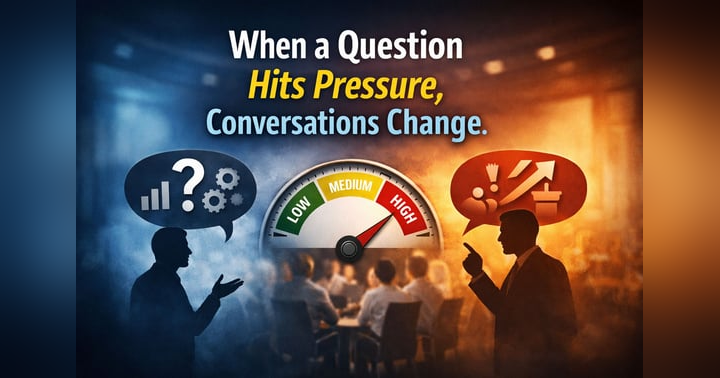
Leadership: Learning High-Stakes Communication and how to stand my ground when the pressure gets high.
Mental: Mastering Emotional Intelligence and figuring out how to actually regulate my own head.
Personal: Dropping the mask to find Authentic Leadership that doesn't feel like a 24/7 performance.
I’m building this because I wish someone had just …Read More