Navigating Ethical Dilemmas: Lessons from Tech and Beyond

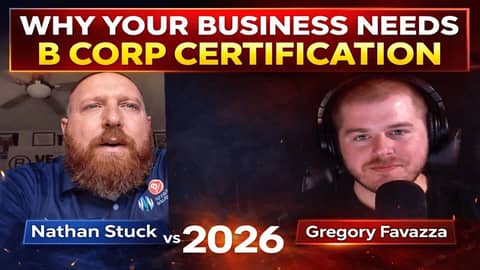
Welcome back to the blog, where we unpack the ideas from our latest podcast episodes and dive a little deeper. In our recent episode, "Nathen Stuck — What Is a B Corp? Ethical Business, Leadership, and the Future of Corporate Accountability," we explored the burgeoning landscape of ethical business practices and the growing demand for corporate responsibility. This blog post expands on those crucial conversations, examining the complex ethical challenges facing modern businesses today, from the intricacies of data privacy to the often-murky waters of greenwashing. We'll draw parallels between these real-world issues and the robust principles underpinning B Corp certification, emphasizing the critical role of accountability in building trust and driving sustainable success. So, grab your favorite beverage, settle in, and let's explore how ethics is no longer just a buzzword, but a fundamental pillar of thriving businesses.
The Growing Ethical Landscape in Modern Business
In today's interconnected world, businesses operate under a microscope. Gone are the days when a company's primary focus could solely be on maximizing shareholder profits without considering its broader impact. Consumers, employees, and regulators are increasingly aware of and concerned about the ethical implications of business decisions. From the environmental footprint of a product to the way customer data is handled, every action taken by a corporation can have significant ethical repercussions. This heightened awareness has created a dynamic and often challenging ethical landscape, where businesses must navigate a complex web of societal expectations and regulatory demands. The rise of social media and instant global communication means that ethical missteps can be amplified exponentially, leading to reputational damage and loss of trust. Conversely, companies that demonstrate a genuine commitment to ethical practices can build strong brand loyalty and attract top talent.
What is a B Corp? Understanding the Certification and Its Principles
One of the most significant developments in the ethical business movement is the rise of B Corp certification. As we discussed at length in our latest episode with Nathan Stuck, B Corps are not just about good intentions; they are legally required to consider the impact of their decisions on all their stakeholders – not just their shareholders. This includes their employees, customers, communities, and the environment. The certification process, managed by the non-profit B Lab, involves a rigorous assessment of a company's social and environmental performance, transparency, and accountability. It's a comprehensive evaluation that looks at everything from employee benefits and charitable giving to supply chain practices and environmental sustainability. Achieving B Corp status signifies a commitment to using business as a force for good, a pledge that is independently verified. It's about building a more inclusive and sustainable economy by balancing purpose and profit. The B Impact Assessment, a free online tool, is the first step in this journey, allowing companies to measure their impact and identify areas for improvement. This measurable standard is what sets B Corps apart, moving beyond aspirational statements to tangible action and verifiable results.
The Shift from Shareholder to Stakeholder Capitalism
The traditional model of capitalism, famously championed by Milton Friedman, prioritized shareholder value above all else. This doctrine suggested that the sole responsibility of business was to increase profits for its owners. However, a growing chorus of voices, including many prominent business leaders and economists, argues for a fundamental shift towards stakeholder capitalism. This paradigm recognizes that businesses have a responsibility not only to their shareholders but also to all individuals and groups who have a "stake" in the company's success. This includes employees, who deserve fair wages, benefits, and a safe working environment; customers, who expect quality products and honest marketing; communities, which are impacted by a company's operations and should benefit from its presence; and the environment, which bears the burden of industrial activity. The B Corp movement is a practical embodiment of this shift. By legally embedding stakeholder interests into their governance structures, B Corps are actively demonstrating that profitability and positive societal impact are not mutually exclusive. This evolution is crucial for long-term business sustainability, as it fosters stronger relationships with all stakeholders, leading to greater resilience and innovation.
Real-World Ethical Dilemmas: Transparency, Data, and Greenwashing
The ethical challenges facing businesses today are multifaceted and often complex. The tech industry, for instance, is a constant source of ethical debate, particularly around data privacy and the responsible use of algorithms. Companies like Facebook (now Meta) have faced immense scrutiny over how they collect, use, and protect user data, with numerous controversies surrounding data breaches and the spread of misinformation. Transparency in these areas is paramount, yet often elusive. Consumers are increasingly demanding to know how their personal information is being utilized and want assurances that it will be handled ethically and securely. Beyond data, the issue of greenwashing poses a significant ethical dilemma. Many companies are eager to capitalize on the growing consumer demand for sustainable products and services. However, some engage in "greenwashing" – making misleading claims about their environmental practices or the sustainability of their products to appear more eco-friendly than they actually are. This deceptive practice erodes consumer trust and undermines the efforts of genuinely sustainable businesses. For example, a company might heavily market a product as "eco-friendly" while its manufacturing process remains highly polluting. This lack of genuine commitment to sustainability, masked by marketing spin, is a critical ethical failure that consumers are becoming increasingly adept at identifying.
The Role of Corporate Culture and Leadership in Ethical Operations
At the heart of any company's ethical compass lies its corporate culture and the leadership at its helm. A strong ethical culture is not merely a set of rules but a pervasive set of values and behaviors that are lived and breathed by everyone within the organization. This culture is shaped by leadership. When leaders prioritize integrity, transparency, and accountability, they set a powerful example that permeates throughout the company. Conversely, a culture that tolerates unethical behavior, even implicitly, can lead to significant problems. This was a key point discussed in our episode – the importance of leadership not just talking the talk, but walking the walk. Ethical leadership involves making difficult decisions that align with the company's values, even when they might be less profitable in the short term. It means fostering an environment where employees feel empowered to speak up about ethical concerns without fear of reprisal. It also involves investing in ethical training and establishing clear ethical guidelines. Without this strong foundation, even the best-intentioned companies can falter when faced with ethical pressures.
B Corp Certification as a Measurable Standard for Impact
What makes B Corp certification so powerful is its emphasis on measurement. As Nathan Stuck wisely stated in our podcast, "You can't improve what you don't measure." The B Impact Assessment provides a framework for companies to quantify their social and environmental impact across various dimensions. This data-driven approach moves beyond subjective claims and allows for objective evaluation. It enables companies to identify their strengths, pinpoint areas needing improvement, and track their progress over time. This commitment to transparency and accountability extends to how B Corps report their impact. They are required to make their performance publicly available, allowing stakeholders to assess their commitment. This level of detail and verifiable data is what builds genuine trust. It assures consumers that their purchasing decisions support companies that are truly making a positive difference, not just paying lip service to ethical ideals. For investors, it offers a way to align their capital with companies that are not only financially sound but also ethically responsible, contributing to long-term, sustainable growth.
Why Purpose-Driven Businesses are Outperforming Traditional Models
There's a growing body of evidence suggesting that purpose-driven businesses, including B Corps, are not only surviving but thriving in today's market. This outperformance can be attributed to several factors. Firstly, they are better positioned to attract and retain top talent. As we noted, younger generations, particularly Millennials and Gen Z, are increasingly seeking employers whose values align with their own. They want to work for companies that have a positive impact on the world. Secondly, purpose-driven businesses often enjoy stronger customer loyalty. Consumers are more likely to support brands they trust and believe in, especially when those brands demonstrate a commitment to ethical practices and social responsibility. This can translate into higher sales and increased market share. Thirdly, a clear sense of purpose can foster greater innovation and resilience. When employees are motivated by a mission beyond profit, they are more likely to be engaged, creative, and willing to go the extra mile. This can lead to the development of more sustainable products and services, and a greater ability to navigate economic downturns or unexpected challenges. The focus on long-term sustainability rather than short-term gains also positions these businesses for enduring success.
The Evolving Expectations of Millennials and Gen Z
The landscape of employee and consumer expectations has undergone a seismic shift, largely driven by the values and priorities of Millennials and Gen Z. These generations have grown up in an era of increased awareness of social and environmental issues. They have witnessed the consequences of corporate irresponsibility and are demanding more from the businesses they interact with. For employers, this means that simply offering a competitive salary is no longer enough. Young professionals are looking for workplaces that offer a sense of purpose, opportunities for growth, and a commitment to diversity, equity, and inclusion. They want to feel that their work contributes to something meaningful. Similarly, as consumers, these generations are using their purchasing power to support brands that align with their values. They are more likely to research a company's ethical practices, environmental impact, and social commitments before making a purchase. This growing influence means that businesses that fail to adapt to these evolving expectations risk being left behind. Transparency is no longer a bonus; it's a baseline requirement. Companies must be able to clearly articulate their values and demonstrate, through their actions, that they are living up to them.
How Businesses Can Begin Their Journey Towards Ethical Accountability
Embarking on the path towards greater ethical accountability might seem daunting, but it's a journey that every business can and should undertake. The first step, as highlighted in our podcast episode, is often self-assessment. Tools like the B Impact Assessment provide a structured way for companies to understand their current impact and identify areas for improvement. This can be a powerful catalyst for internal conversation and strategic planning. Beyond formal assessments, fostering an open and honest culture is crucial. Leaders need to champion ethical behavior, encourage dialogue about challenges, and create safe spaces for employees to voice concerns. This might involve establishing an ethics committee, implementing robust reporting mechanisms, or investing in ongoing ethics training. Transparency is another cornerstone. Businesses should strive to be open about their operations, their supply chains, and their impact. This doesn't mean revealing proprietary information, but rather being clear and honest about their commitments and their progress. Finally, it's about embedding ethical considerations into the core of business strategy. This means moving beyond a compliance-only mindset and actively seeking opportunities to create positive social and environmental value through every aspect of the business.
Conclusion: Embracing Ethics as a Competitive Advantage
As we've explored throughout this post, the ethical landscape of modern business is no longer a peripheral concern; it's a central challenge and, more importantly, a significant opportunity. The principles championed by B Corps, the shift towards stakeholder capitalism, and the increasing expectations of consumers and employees all point towards a future where ethical conduct is inextricably linked to business success. As we heard in our recent episode with Nathen Stuck, "Nathen Stuck — What Is a B Corp? Ethical Business, Leadership, and the Future of Corporate Accountability," embracing ethics isn't just about doing the right thing; it's about building a more resilient, innovative, and ultimately more profitable business. By prioritizing transparency, fostering strong corporate cultures, and genuinely committing to the well-being of all stakeholders, businesses can not only navigate complex ethical dilemmas but also cultivate a powerful competitive advantage. The journey towards greater ethical accountability is ongoing, but for those willing to embrace it, the rewards – for their business, their people, and the planet – are profound.
Share This:

Business Development Specialist | M.S. Industrial‑Organizational Psychology | U.S. Army Veteran
I’m exhausted. Honestly, I’m just bone-deep burned out.
People love to say "just do it" or "do the work," but that’s a load of BS when your brain isn't wired that way. I’m an introvert with a relentless ambition, but being neurodivergent means I’m constantly trying to run a race on hardware that’s missing the manual. I’ve spent years masking and pretending I had it handled, while the stress just leaked out—snapping at people and hitting a wall because I never had the Executive Function systems I should’ve had from day one.
Giving up looks really tempting right now. Like, every single day.
But I’m not quitting. This is my personal laboratory for Modern Survival. I don’t have the answers, and I’m definitely not a guru. I’m just in the wreckage in real-time, trying to bring cogency and clarity to the depth of this mess.
I’m sharing my actual failures as I try to build these five pillars:
Digital: Building Productivity Systems and a Second Brain flow so my head doesn't explode from the cognitive load.
Physical: Biohacking the "dad bod" hardware and focusing on Longevity so my body actually supports my brain.
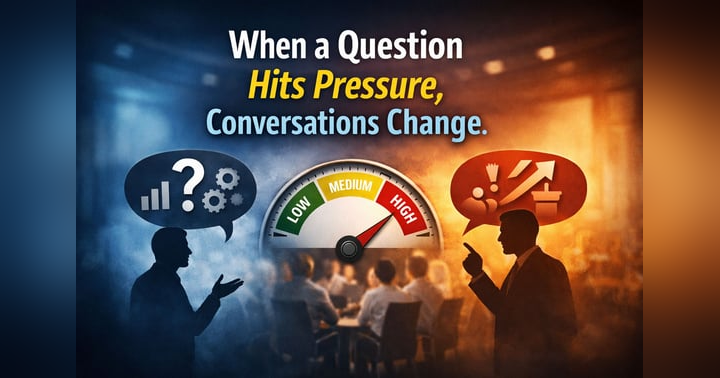
Leadership: Learning High-Stakes Communication and how to stand my ground when the pressure gets high.
Mental: Mastering Emotional Intelligence and figuring out how to actually regulate my own head.
Personal: Dropping the mask to find Authentic Leadership that doesn't feel like a 24/7 performance.
I’m building this because I wish someone had just …Read More
How Conversations Change Under Pressure