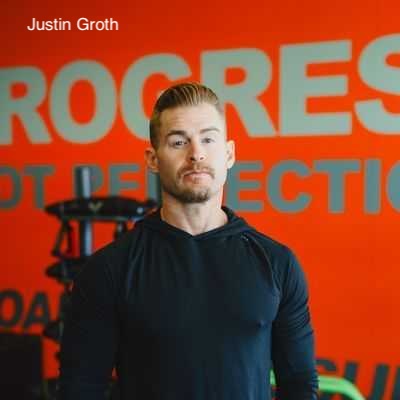
Welcome back to the blog! In our latest podcast episode, 135. Mindset Variance: Training vs. Working Out with Justin Groth, we dove headfirst into a topic that often gets glossed over in the fitness world: the crucial distinction between simply 'working out' and genuinely 'training' for specific, measurable goals. It’s a subtle difference in terminology, but as we explored, it can lead to monumental shifts in your results, your consistency, and your overall relationship with your physical well-being. This blog post is going to unpack those concepts, providing a deeper dive into why this distinction matters so much and how you can leverage it to elevate your own fitness journey. If you haven't listened to the episode yet, I highly recommend you do so after reading this! You can find it right here: Listen to Episode 135 Here.
Defining 'Working Out' vs. 'Training'
Let's start by clarifying the terms. When most people say they're going to 'work out,' what do they typically mean? It often involves a general session of physical activity aimed at improving overall health and fitness. Think of a typical gym visit: maybe some cardio on the treadmill, a few sets of random weight machines, perhaps a casual jog around the park. The intention is good – to move the body, burn some calories, and feel a bit better. It's often done without a specific, quantifiable outcome in mind, other than a vague sense of 'getting fitter' or 'staying healthy.'
On the other hand, 'training' implies a more structured, purposeful, and systematic approach. Training is always goal-oriented. It's about preparing your body for a specific performance, outcome, or physical adaptation. For example, a marathon runner isn't just 'working out'; they are training for a 26.2-mile race. Their workouts are designed with specific distances, paces, and recovery strategies to build the endurance and resilience needed to complete that event successfully. Similarly, a powerlifter isn't just 'working out'; they are training to increase their one-rep maximum in the squat, bench press, and deadlift. Their entire program is meticulously planned to progressively overload these specific lifts.
The key differentiator lies in the intention and the plan. A workout can be spontaneous, flexible, and focused on general well-being. Training is deliberate, structured, and designed to achieve a particular result. This difference is not just semantic; it has profound implications for how you approach your fitness, what you prioritize, and ultimately, what you achieve.
The Mindset Shift: From General Fitness to Goal Achievement
The shift from 'working out' to 'training' is fundamentally a mindset shift. It’s about moving from a passive approach to an active, intentional one. When you're just working out, you might feel like you're going through the motions. There's a degree of uncertainty about whether what you're doing is truly effective for long-term progress. You might hop from one exercise to another, follow whatever catches your eye on social media, or do what feels good on any given day.
Adopting a training mindset means you're taking ownership of your physical development. You identify a specific goal – whether it's running your first 5k, losing a certain amount of body fat, building significant muscle mass, improving your flexibility for a specific sport, or even just being able to lift a certain weight for a specific number of repetitions. Once that goal is defined, your entire approach to physical activity transforms. You start to ask: 'What do I need to do to achieve *this specific goal*?'
This goal-oriented approach brings clarity and purpose to your efforts. Every exercise, every set, every repetition begins to have a reason behind it. You're no longer just expending energy; you're strategically investing it. This shift can be incredibly motivating. When you have a clear target, the process becomes more engaging, and you're more likely to push through challenges because you understand the 'why' behind the effort.
Furthermore, a training mindset encourages strategic planning and adherence. Instead of doing whatever you feel like, you follow a program designed to progressively overload your system and elicit the desired adaptations. This might involve periodization, specific exercise selection, targeted rep ranges, and structured recovery protocols. It's about understanding that progress isn't linear and requires a thoughtful, long-term strategy.
The Impact on Your Results and Consistency
The most tangible benefit of shifting from working out to training is the dramatic impact on your results. When your efforts are focused and intentional, you are far more likely to achieve the outcomes you desire. Think about it: if you want to become a better piano player, you wouldn't just randomly hit keys. You'd practice scales, learn specific pieces, and work on your technique with a clear objective. The same principle applies to physical fitness.
Working out can lead to general improvements, but training allows for specialized development. If your goal is strength, you'll focus on compound lifts and progressive overload. If your goal is endurance, you'll prioritize cardiovascular conditioning and aerobic capacity. If your goal is hypertrophy (muscle growth), you'll focus on specific volume, intensity, and rep ranges designed to stimulate muscle protein synthesis. This focused approach ensures that you're not just spinning your wheels but actively moving towards your specific target.
Beyond results, training significantly enhances consistency. When you have a structured plan with clear short-term and long-term objectives, it's easier to stay committed. You know what you need to do each day or week, and you can track your progress, which is incredibly reinforcing. Seeing yourself get stronger, faster, or more capable builds momentum and makes it harder to skip sessions. Working out, on the other hand, can feel more like a chore. If you don't see immediate results or if you're not feeling motivated, it's easy to let it slide.
Training also fosters a deeper understanding of your body and its responses. As you meticulously track your workouts, you learn what works for you, what doesn't, and how to adjust your program based on your recovery, energy levels, and overall progress. This self-awareness is invaluable for long-term success and injury prevention. You become less reliant on external motivation and more driven by internal feedback and the pursuit of your goals.
Expert Insights with Justin Groth (Key Takeaways)
Our conversation with Justin Groth in episode 135 provided some invaluable insights into this very topic. Justin, a natural bodybuilder, embodies the principles of training with precision and purpose. He cuts through the noise of the fitness industry, emphasizing the importance of foundational principles and strategic planning over fleeting trends or overwhelming complexity. Here are some key takeaways from our discussion:
Focus on the Fundamentals
Justin stresses that whether you're training for bodybuilding, athletic performance, or general health, the core principles remain the same: progressive overload, consistent effort, proper nutrition, and adequate recovery. The 'training' aspect comes in how you systematically apply these fundamentals to achieve your specific goal. It's about understanding the 'why' behind each element of your program.
The Danger of "Fluff"
A significant point Justin made, particularly in relation to supplements, is the danger of getting caught up in the 'fluff' of the fitness industry. So many products and programs promise quick fixes or magical results. But true training, Justin reminds us, is built on hard work, smart programming, and a deep understanding of your body's needs. Don't let distractions or gimmicks pull you away from the essential elements that drive real progress.
Goal Clarity is Paramount
Justin's approach underscores the critical importance of defining your goals clearly. If you want to gain muscle, your training, nutrition, and recovery will look very different than if you aim to run a marathon. He advocates for a precise, goal-driven strategy rather than a generalized approach. This clarity is what transforms a series of workouts into a structured training program.
Consistency Over Intensity (Sometimes)
While intensity is crucial for stimulus, Justin also highlighted the power of consistent application. Showing up consistently, even if you can't always hit peak intensity, is what builds the foundation for long-term gains. This is where the 'training' mindset truly shines – understanding that the journey is a marathon, not a sprint, and requires disciplined, consistent effort.
Listen to Your Body
Despite the structured nature of training, Justin also emphasized the importance of listening to your body. This isn't about avoiding hard work, but about recognizing when your body needs rest, adaptation, or a slight adjustment to your program. Intelligent training means working *with* your body, not just pushing it relentlessly without regard for its feedback.
Practical Application: How to Start Training for Your Goals
So, how do you make this transition from simply working out to actively training? It’s a process, but a manageable one. Here’s a practical guide:
1. Define Your Specific Goal
This is the non-negotiable first step. What do you *really* want to achieve? Be as specific as possible. Instead of 'get stronger,' aim for 'increase my deadlift by 50 pounds in the next three months' or 'be able to do 10 unassisted pull-ups.' Instead of 'lose weight,' aim for 'lose 15 pounds of body fat by summer' or 'reduce my waist circumference by two inches.' The more precise your goal, the clearer your path will be.
2. Research and Plan
Once you have your goal, research the best methods and strategies to achieve it. If you want to build muscle, learn about hypertrophy training principles. If you want to improve cardiovascular health, research different types of cardio and training zones. Consider hiring a coach, even for a short period, to help you develop a tailored plan. Alternatively, there are many reputable online resources and books that can guide you.
3. Create a Structured Program
Develop a weekly or monthly training schedule. This should include specific exercises, sets, repetitions, rest periods, and intensity levels. Think about how you will progressively overload your system over time. This might involve increasing weight, reps, sets, decreasing rest, or improving exercise form.
4. Track Your Progress Meticulously
Use a training journal (physical or digital) to record every aspect of your workouts. Note the date, exercises performed, weight lifted, reps completed, and how you felt. This data is invaluable for tracking progress, identifying plateaus, and making informed adjustments to your program.
5. Prioritize Nutrition and Recovery
Training is only one piece of the puzzle. Your nutrition needs to support your goals, whether that's fueling performance, building muscle, or aiding fat loss. Equally important is recovery: adequate sleep, rest days, and stress management are crucial for allowing your body to adapt and grow stronger.
6. Be Patient and Persistent
Significant results take time. There will be days when you don't feel motivated, days when progress seems slow, and days when you might even experience setbacks. This is where the training mindset is crucial. Remind yourself of your goal, trust your plan, and stay persistent. Consistency over time will yield the greatest rewards.
Conclusion: Elevate Your Fitness Journey
The distinction between 'working out' and 'training' is more than just a matter of semantics. It's a paradigm shift that can fundamentally transform your relationship with physical fitness. When you move from general activity to goal-specific training, you inject purpose, direction, and accountability into your efforts. As we discussed with Justin Groth on episode 135, Mindset Variance: Training vs. Working Out, this intentionality is what separates fleeting efforts from sustainable, impactful progress. By defining clear goals, creating structured plans, and committing to the process, you can move beyond simply exercising to truly training your body for the results you desire. I encourage you to take the lessons from this post and our podcast episode and apply them to your own fitness journey. Stop just working out, and start training for what you want to achieve. Your future self will thank you.

122. Pressed with Psychological Trauma Jessica Jordan with Favazza